If you’ve ever looked at the complex network of pipes in a building and wondered what they’re all for, this article is for you.
We’ll be exploring the world of process piping and plumbing, from the different types of materials used to the key differences and similarities between the two.
We’ll also discuss the safety considerations, installation, maintenance, and common issues and solutions for both process piping and plumbing.
Whether you’re a curious homeowner or aspiring engineer, this article has something for everyone.
What Is Process Piping?
Process piping refers to the arrangement and installation of pipe systems that convey liquids, gases, and mixtures in industrial settings. This includes aspects such as pipe layout, sizing, design, material selection, and fabrication.
Process piping plays a pivotal role in industrial facilities, ensuring safe and efficient transfer of fluids. This includes refineries, chemical plants, pharmaceutical and food processing units.
The process piping network consists of essential components such as pipes, fittings, valves, and supports. These are carefully assembled and interconnected using precise fabrication techniques.
The layout and sizing of process piping are meticulously designed to optimize fluid flow, minimize pressure losses, and meet operational requirements. Selecting the right materials for process piping is crucial for long-term durability and compatibility with conveyed substances.
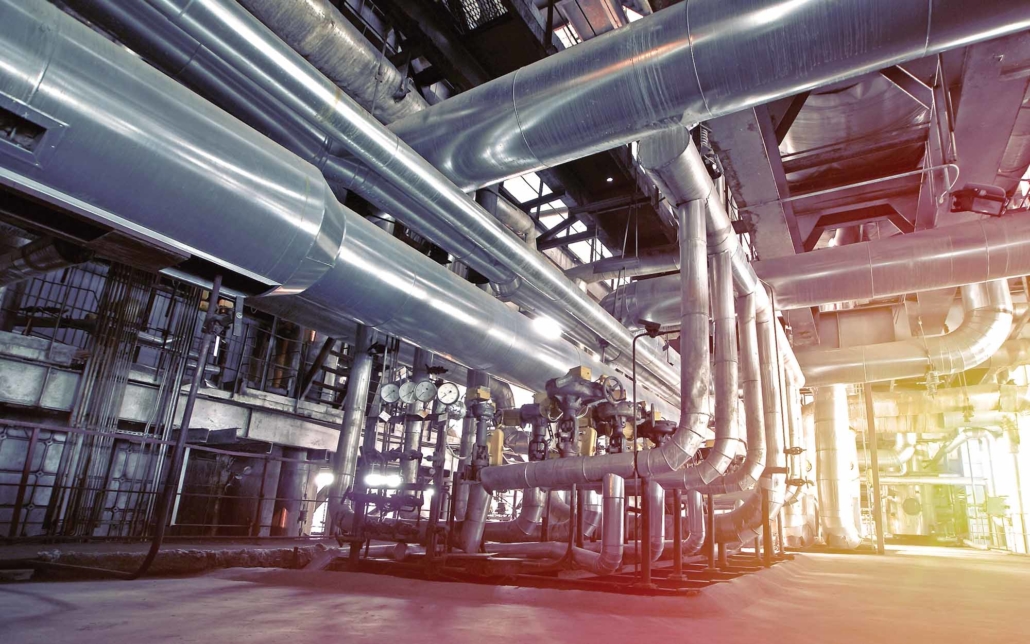
What Are The Different Types Of Process Piping?
Process piping encompasses various types of materials and construction, including carbon steel, stainless steel, copper, PVC, and HDPE piping, each offering distinct properties and suitability for specific industrial applications.
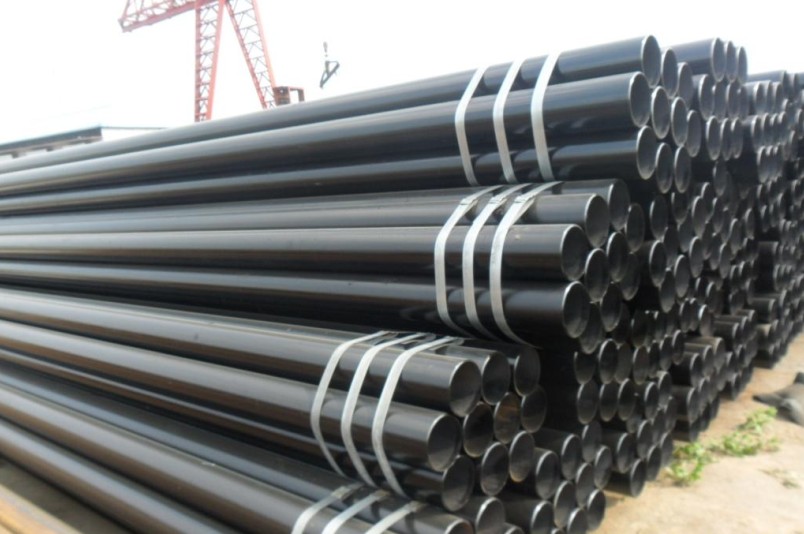
Carbon Steel Piping
Carbon steel piping is widely utilized in industrial settings due to its durability, weldability, and resistance to corrosion. Installation involves meticulous pipe welding and rigorous pressure testing to ensure operational integrity.
Carbon steel is a cost-effective piping material with high tensile strength and impressive ductility, making it ideal for transporting fluids and gases at high pressures. Skilled professionals are needed for precise pipe welding during installation to ensure seamless joints and structural stability.
Pressure testing is crucial to verify the system’s ability to withstand operating conditions and minimize the risk of leaks or ruptures. To enhance corrosion resistance, protective coatings and cathodic protection systems are often integrated, further prolonging the lifespan of carbon steel piping in aggressive environments.
Stainless Steel Piping
Stainless steel piping offers exceptional corrosion resistance and material integrity, often requiring precise routing and thorough stress analysis to ensure optimal performance in demanding industrial environments.
The material qualities of stainless steel piping make it highly resistant to corrosion, an essential feature for industries dealing with corrosive substances.
When considering routing, the complexities arise from the need to maintain the integrity of the material while allowing for efficient flow.
Stress analysis is crucial to identify potential weak points and ensure the piping can withstand the demands placed upon it.
Stainless steel piping demands meticulous attention to detail for its successful implementation and continued performance.
Copper Piping
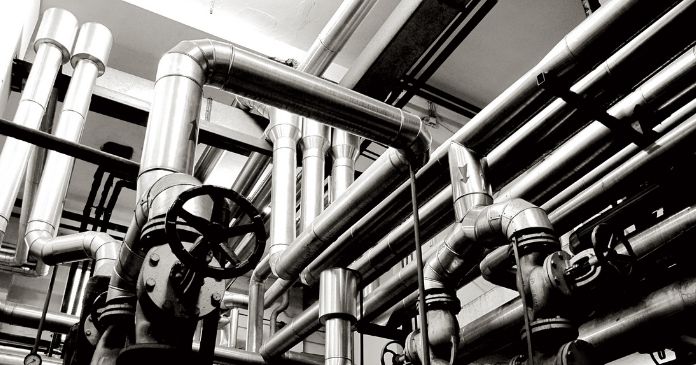
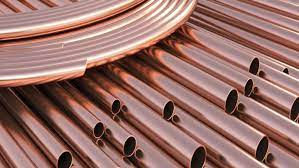
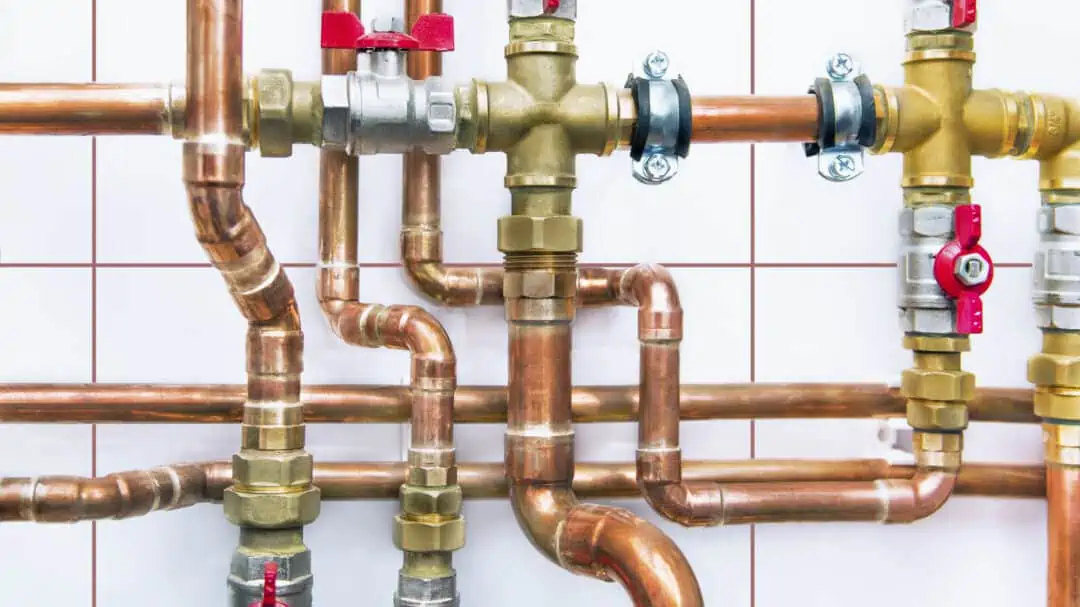
Copper piping is highly valued for its malleability, thermal conductivity, and reliability. To maintain optimal performance, it requires effective support through hangers and anchors, as well as proactive leak detection measures.
This malleability allows for easy installation in various configurations, while its high thermal conductivity enables efficient heat transfer, making it a popular choice for heating and cooling systems.
Proper support using hangers and anchors is crucial to prevent stress and strain on the pipes. Additionally, integrating leak detection systems can promptly identify and address any potential issues, ensuring sustained operational reliability.
PVC Piping
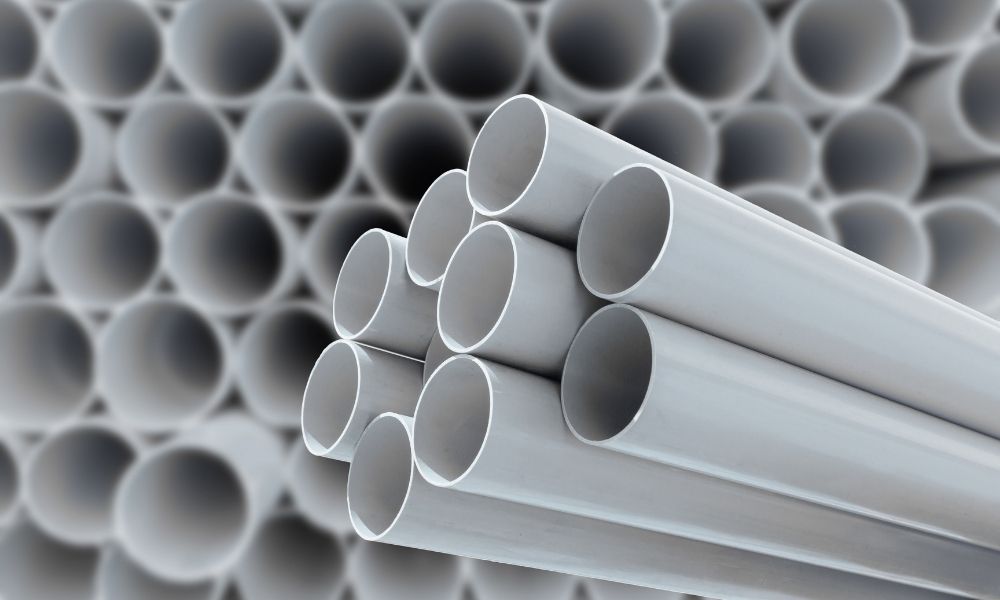
PVC piping is known for its versatility, corrosion resistance, and low maintenance. It often benefits from routine cleaning, disinfection, and flushing to preserve fluid purity and system performance.
This type of piping is widely used in various applications, such as water supply, drainage, irrigation, and chemical processing. Its exceptional durability and resistance to corrosion make it a popular choice.
To maintain its performance, regular cleaning is essential to prevent the buildup of contaminants and ensure the purity of transported fluids. Disinfection procedures are also crucial for eliminating harmful bacteria and pathogens, especially in water distribution systems.
Periodic flushing helps to remove sediment and particulates, promoting the longevity of the piping system.
HDPE Piping
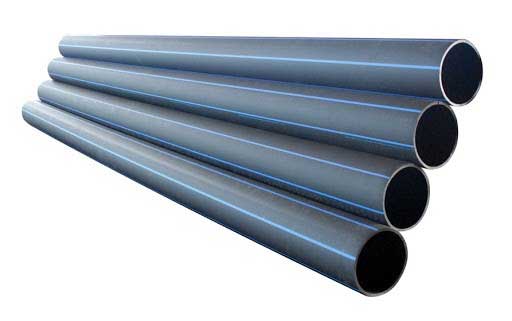
HDPE piping is favored for its durability, flexibility, and longevity. It is often used in diverse industrial applications and requires regular inspection, maintenance, and troubleshooting to ensure sustained operational performance.
HDPE piping is highly resistant to corrosion, abrasion, and chemical exposure, making it ideal for use in demanding environments. Regular inspection is crucial to detect any signs of wear and maintain the integrity of the system.
Maintenance should include timely repairs, replacements, and cleaning to prevent potential issues. Additionally, troubleshooting is essential for identifying and addressing any operational hitches, ensuring maximum efficiency and longevity of the HDPE piping.
What Is Plumbing?
Plumbing encompasses the installation and maintenance of fixtures and systems that facilitate water supply, drainage, sewage conveyance, and temperature-controlled water distribution, encompassing hot and cold water systems.
Plumbing plays a crucial role in ensuring the efficient and safe conveyance of water for various purposes, including drinking, cleaning, heating, and sanitation.
Plumbing professionals are tasked with designing, installing, and repairing systems that adhere to building codes and standards. This involves incorporating a range of components such as pipes, valves, fittings, and fixtures to create a network that ensures proper water flow and waste removal, contributing to the overall functionality and safety of residential, commercial, and industrial spaces.
The integration of temperature-controlled water systems further enhances the comfort and efficiency of water usage within buildings.
What Are The Different Types Of Plumbing?
Plumbing is segmented into various types, including residential, commercial, and industrial plumbing, each tailored to specific building and facility requirements, with distinct emphasis on domestic, business, and industrial water conveyance and distribution.
Residential Plumbing
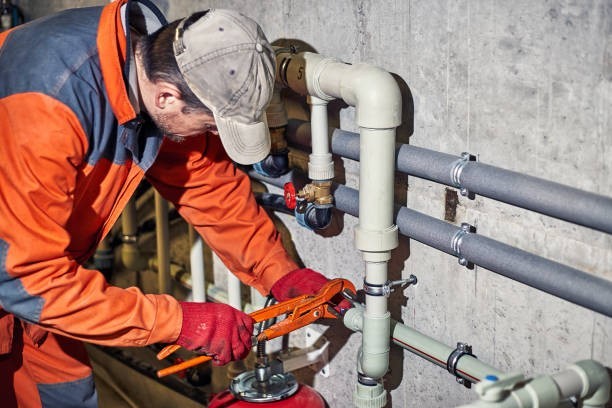
Residential plumbing governs the installation and maintenance of water conveyance and distribution systems in homes, comprising adherence to specific regulations, codes, and practices to ensure operational integrity and safety.
This includes compliance with building codes, zoning regulations, and environmental standards to safeguard the health and well-being of occupants.
Regular inspection and maintenance practices, such as leak detection, pipe insulation, and drain cleaning, are crucial for preventing potential hazards and maintaining system efficiency.
Adhering to these regulations and maintenance standards not only ensures the safety of residents but also contributes to the longevity and performance of the plumbing infrastructure within residential properties.
Commercial Plumbing
Commercial plumbing addresses the installation and repair of water conveyance and distribution systems in business establishments. This often requires careful material selection, repair expertise, and regular maintenance for sustained operational reliability.
The selection of appropriate materials plays a crucial role in ensuring the integrity and longevity of commercial plumbing systems. Durable and corrosion-resistant materials, such as copper or PVC, are often preferred for their ability to withstand the demands of high-pressure water conveyance.
Proficient repair techniques, such as leak detection and pipe replacement, are essential to address potential issues promptly and prevent disruptions to business operations.
Implementing a proactive maintenance schedule, including regular inspections and preventative measures, is indispensable for prolonging the lifespan of commercial plumbing systems and minimizing unforeseen repair costs.
Industrial Plumbing
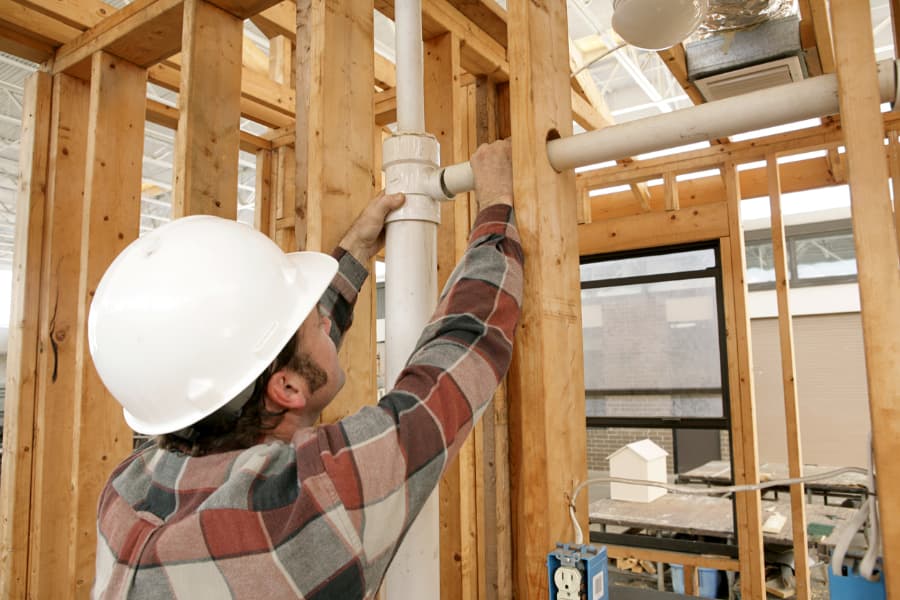
Industrial plumbing focuses on the installation, troubleshooting, repair, and upgrade of complex water conveyance and distribution systems in industrial facilities. This requires adept troubleshooting, repair, and upgrade strategies to ensure uninterrupted operational functionality.
Industrial plumbing systems are susceptible to a range of problems, including leaks, blockages, and pressure irregularities. Troubleshooting is necessary to pinpoint the underlying issue, followed by skilled repair techniques that may involve specialized equipment and materials.
It’s also essential to proactively upgrade these systems with more efficient pipes and water conservation technologies to meet changing regulations and maintain optimal functionality. The expertise of industrial plumbing professionals is crucial in keeping these critical systems running smoothly for industrial operations.
What Are The Key Differences Between Process Piping And Plumbing?
The key differences between process piping and plumbing lie in their intended applications, functional components, and system design. Process piping focuses on industrial fluid conveyance, while plumbing addresses domestic, commercial, and industrial water supply and drainage systems.
In industrial settings, process piping requires robust materials and specialized components to handle the conveyance of various fluids such as gases, chemicals, and liquids. It involves stringent adherence to safety standards and precise engineering to ensure the efficient and safe transport of substances.
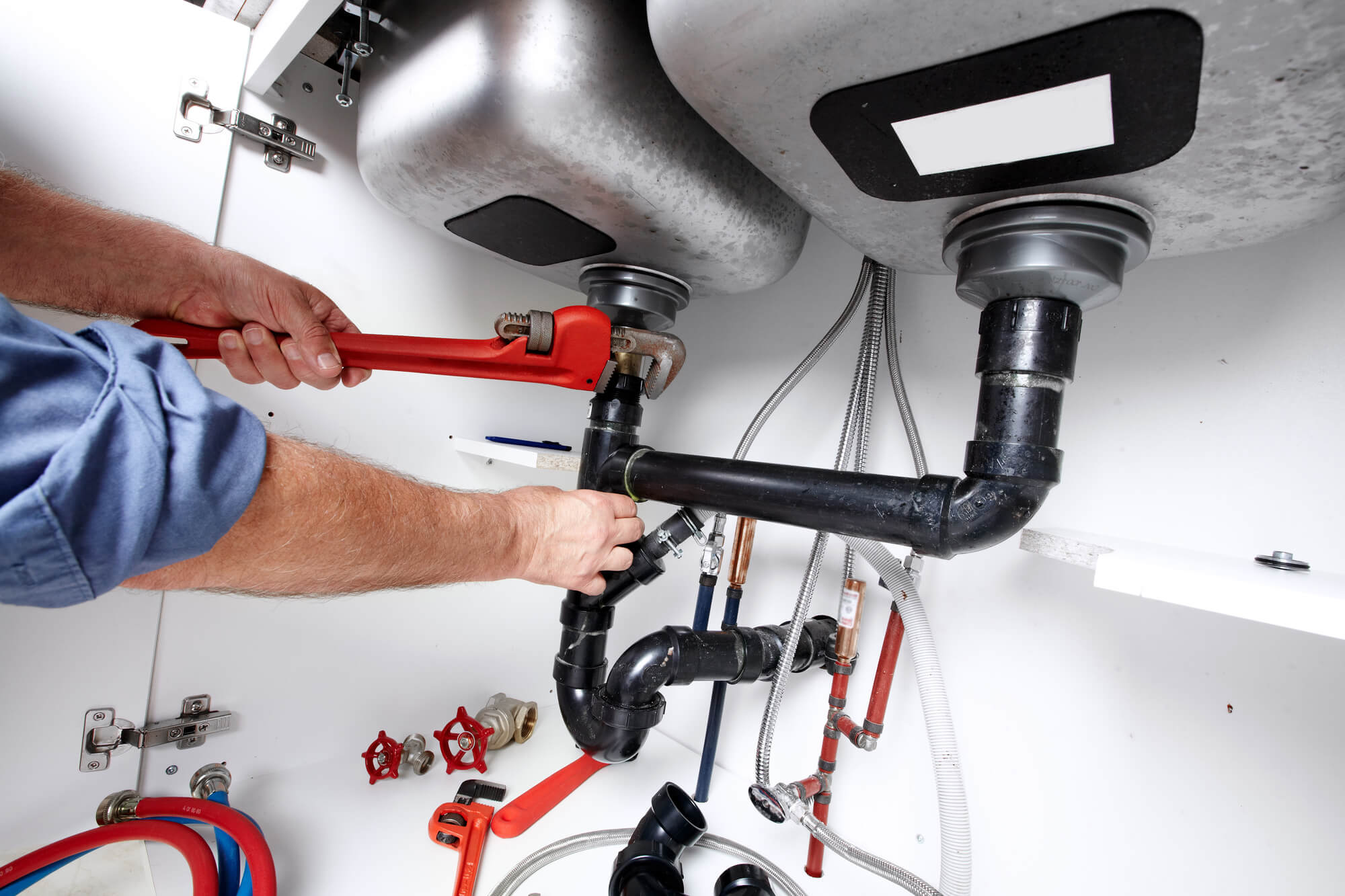
On the other hand, plumbing systems prioritize the distribution and removal of potable water, wastewater, and sewage in buildings and residences. Factors such as pressure regulation, water purity, and human health are considered in the design and material selection for plumbing systems, which are tailored to meet specific usage requirements and regulatory standards.
What Are The Similarities Between Process Piping And Plumbing?
Process piping and plumbing share similarities in their installation, system maintenance, and repair requirements, with both disciplines contributing to efficient water conveyance, distribution, and drainage systems in their respective industrial and domestic contexts.
Installation procedures for both process piping and plumbing involve careful planning, adherence to building codes, and the use of appropriate materials to ensure durable and reliable performance.
Similarly, regular maintenance and prompt repairs are essential to uphold the functionality of these systems, preventing leaks, blockages, and other issues that can disrupt the flow of water.
Both process piping and plumbing play crucial roles in conveying, distributing, and draining water, thereby underlining their interconnectedness and significance in maintaining a seamless water infrastructure.
What Are The Safety Considerations For Process Piping And Plumbing?
Safety considerations for process piping and plumbing encompass the proper installation of hangers, anchors, restraints, and measures to mitigate vibration, prevent leaks, and ensure system cleanliness and disinfection. This prioritizes operational safety and regulatory compliance.
Safety measures are crucial for the proper functioning of process piping and plumbing systems. This includes the installation of hangers, anchors, and restraints to support the weight of the pipes and prevent strain and potential damage.
Leak prevention is also essential, which can be achieved through the use of high-quality gaskets and regular inspections.
Maintaining operational integrity is key. Additionally, hygiene practices like regular cleaning and disinfection are necessary to prevent contamination and ensure the safety of the overall system.
How Are Process Piping And Plumbing Installed And Maintained?
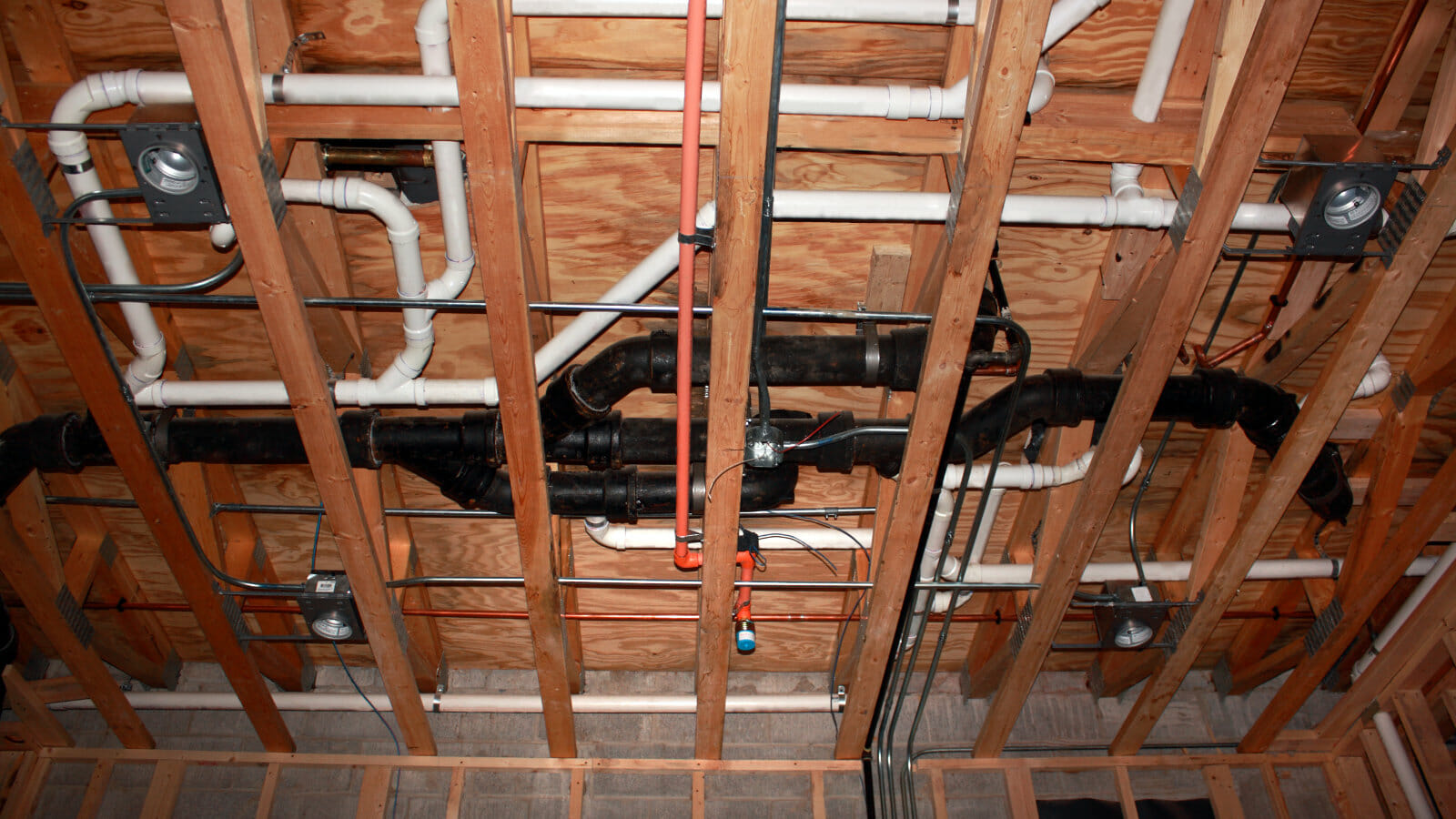
The installation and maintenance of process piping and plumbing involve meticulous processes such as installation, maintenance, repair, cleaning, disinfection, and commissioning, ensuring operational integrity, functionality, and regulatory adherence for fluid conveyance and distribution systems.
During the installation phase, it is crucial to adhere to industry standards and specifications. This includes proper alignment, welding, and material selection.
Ongoing maintenance procedures often encompass routine inspections, leak detection, and corrosion prevention measures. These measures ensure long-term system efficiency.
Repair techniques involve identifying and rectifying pipe damages. Additionally, system commissioning integrates testing, verification, and documentation to validate safe and reliable operational performance.
What Are The Common Issues And Solutions In Process Piping And Plumbing?
Common issues in process piping and plumbing include corrosion, expansion/contraction challenges, vibration, and leaks. These issues can lead to structural damage and reduced efficiency, making it necessary to take proactive measures for repair and mitigation.
To combat corrosion, professionals recommend using corrosion-resistant materials and protective coatings. Additionally, managing expansion and contraction challenges involves strategic placement of expansion joints to relieve stress and maintain system integrity.
Vibration control methods, such as isolating supports and damping systems, can minimize the impact of vibrations on piping. It’s also essential to implement advanced leak detection technologies, like acoustic and infrared methods, for swift identification and resolution of potential leaks.
Frequently Asked Questions (FAQs)
What is process piping and plumbing?
Process piping and plumbing refer to the system of pipes, fittings, and fixtures that are used to transport liquids and gases in an industrial or commercial facility.
What are the main components of process piping and plumbing?
The main components of process piping and plumbing include pipes, valves, fittings, pumps, and control devices. These are used to transport and control the flow of liquids and gases.
What are the differences between process piping and plumbing?
Process piping is used in industrial facilities to transport chemicals, gases, and other materials, while plumbing is used in residential and commercial buildings for water supply, drainage, and sewage systems.
What materials are commonly used in process piping and plumbing?
Common materials used in process piping and plumbing include steel, copper, PVC, and various types of plastic. The choice of material depends on the specific requirements of the system.
Why is proper installation and maintenance important in process piping and plumbing?
Proper installation and maintenance of process piping and plumbing is crucial to ensure the efficient and safe transport of materials. Poorly installed or maintained systems can lead to leaks, contamination, and potential hazards.
Are there any regulations or codes that govern process piping and plumbing?
Yes, there are various regulations and codes, such as ASME, ANSI, and NFPA, that govern the design, installation, and maintenance of process piping and plumbing to ensure safety and compliance with industry standards.