Professionally Installed Video Security System
Ensuring Optimal Protection for Your Property
Video security systems provide peace of mind and protect your home. However, setting up cameras yourself can be a hassle.
You can set up cameras yourself, but getting them professionally installed has big benefits.
Professional installation ensures your video security system works properly and covers all crucial areas.
A pro will know the best spots to place cameras for maximum coverage. They can also hide wires neatly and set up any needed power sources.
This gives you a clean, effective system without the hassle of DIY installation.
With professional installation, you get expert help choosing the right equipment too. The installer can recommend cameras and features that fit your specific needs.
You’ll end up with a customized system that gives you the security and convenience you want.
Choosing Your System and Provider
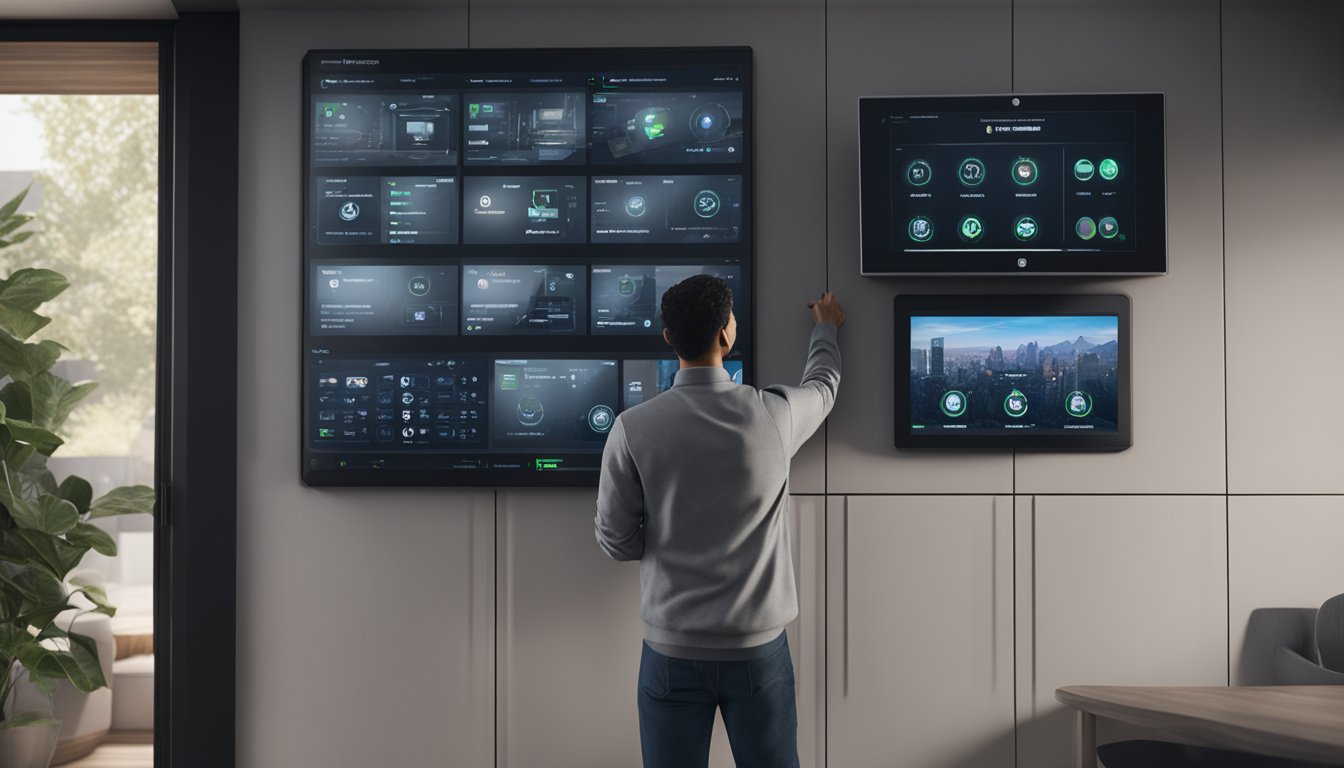
Picking the right security system and provider is crucial for protecting your home. It involves weighing installation options and deciding on monitoring services.
Comparing Professional and DIY Installation
Professional installation offers expertise and convenience. Trained technicians set up your system, ensuring proper placement and function.
They can answer questions and provide guidance on using your new equipment.
DIY installation saves money and gives you control over the process. Many modern systems are designed for easy self-setup.
You can install components at your own pace and adjust their locations as needed.
Consider your technical skills and available time when choosing. Professional installation may be better for complex systems or if you’re not comfortable with technology.
DIY can work well for simpler setups or if you enjoy hands-on projects.
Understanding Monitoring Options
Monitoring services keep watch over your system 24/7. Professional monitoring alerts authorities if an alarm triggers, providing peace of mind when you’re away or asleep.
Self-monitoring puts you in charge. You receive alerts directly and decide how to respond.
This option often costs less but requires more active involvement from you.
Some systems offer flexible plans, letting you switch between professional and self-monitoring.
Think about your lifestyle and security needs when deciding. Professional monitoring can be valuable for high-risk areas or if you travel often.
Compare monitoring costs and contract terms carefully. Look for providers with good customer service and reliable equipment.
Ask about home automation features if you want to integrate your security system with smart home devices.
Installation Process and Equipment
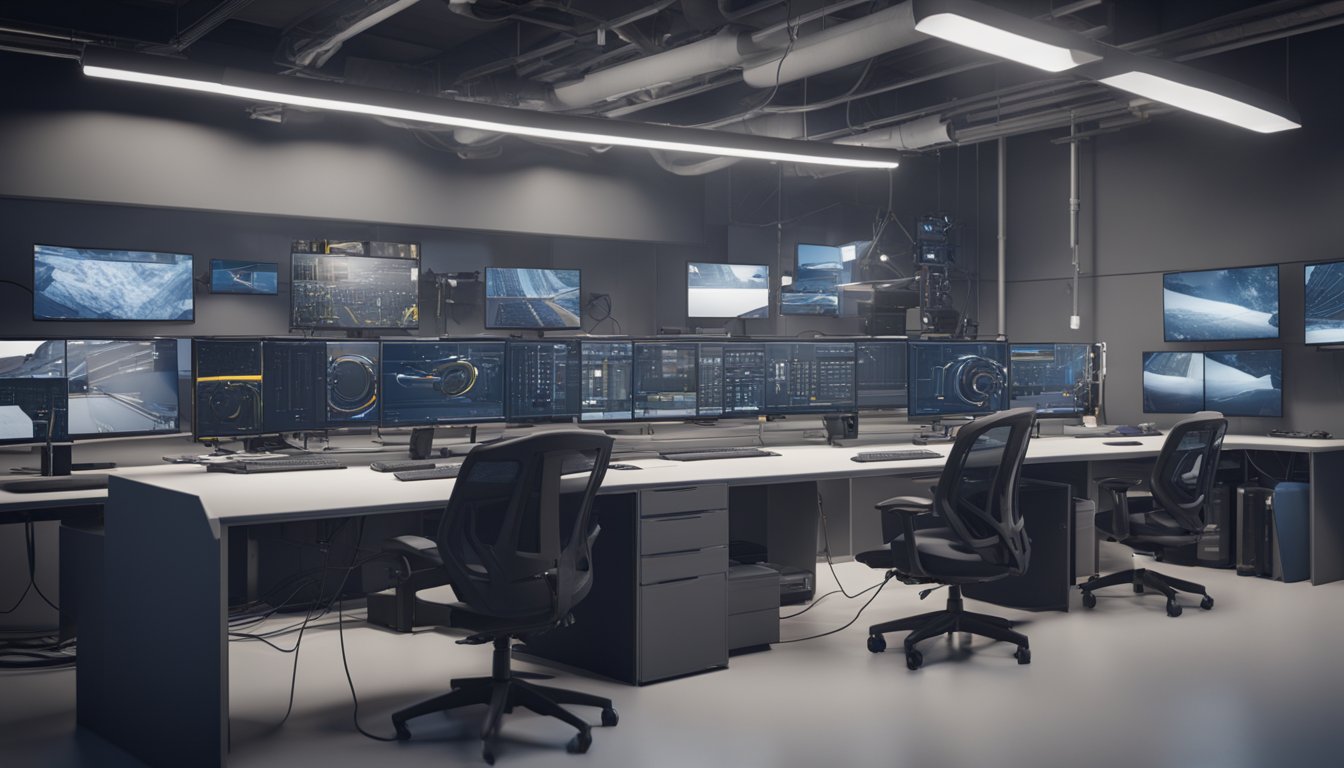
Setting up a professionally installed video security system involves careful planning and specialized equipment. The process requires expertise to ensure optimal placement and functionality of cameras and sensors.
Integration with Home Automation
Smart home integration enhances the capabilities of your video security system.
You can connect your cameras and sensors to your existing smart devices for seamless control.
Voice assistants allow you to manage your security system hands-free. You can arm or disarm your system, check camera feeds, or lock doors using simple voice commands.
Z-Wave technology enables wireless communication between your security devices and other smart home products.
This creates a unified network for improved automation and control.
Smart locks and video doorbells can be integrated into your system.
These devices provide additional layers of security and convenience, allowing you to monitor and control access to your property remotely.
Enhancing Security with Advanced Features
Modern video security systems offer advanced features to boost their effectiveness.
Motion sensors trigger alerts and recordings when movement is detected, reducing false alarms and conserving storage space.
Facial recognition technology can identify familiar faces and notify you of unknown visitors. This feature adds an extra layer of intelligence to your system’s monitoring capabilities.
Night vision cameras ensure clear footage in low-light conditions. You’ll have round-the-clock surveillance, capturing important details even in darkness.
Remote viewing allows you to access your camera feeds from anywhere using your smartphone or tablet. This feature gives you peace of mind and the ability to respond quickly to any security concerns.
System Management and Support
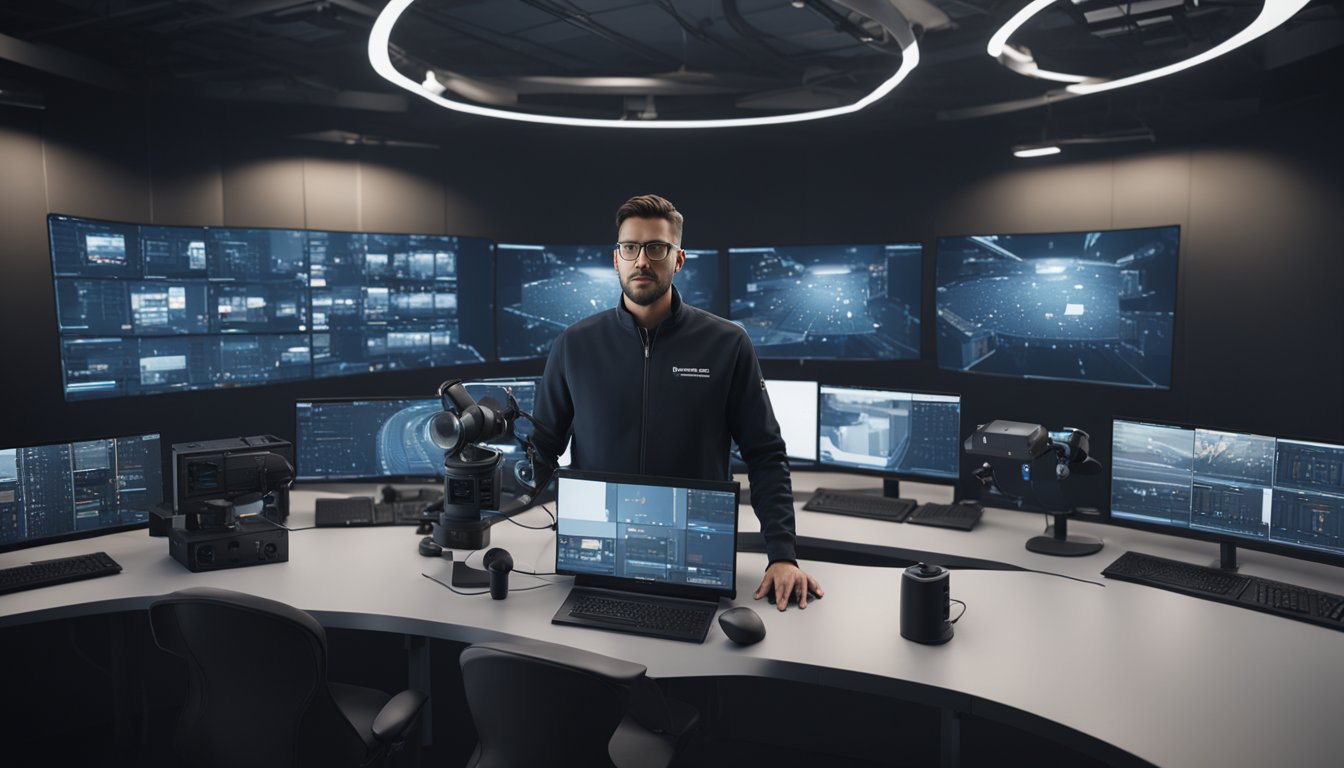
Professional video security systems need ongoing management and support to work well. Good providers offer remote access, timely alerts, and expert maintenance to keep your system running smoothly.
Utilizing Remote Access and Notifications
Remote monitoring lets you check your cameras from anywhere. Most systems have a mobile app for your smartphone.
You can view live feeds and recorded footage through the app.
Many systems send push notifications to alert you of issues. You might get an alert if a camera goes offline or motion is detected.
This helps you respond quickly to problems.
Make sure your Wi-Fi network is strong enough to support remote access. Weak signals can cause lag or connection drops.
Maintenance and Customer Care
Regular upkeep keeps your system working its best.
Professional technicians can spot and fix issues before they become big problems.
Look for providers that offer:
• 24/7 customer support
• Routine system checks
• Quick repairs when needed
• Help with software updates
Good customer service is key. You want a team that’s easy to reach and quick to help.
Ask about long-term contracts and monitoring agreements. Some companies offer extra perks for signing longer deals.