Microneedling is a popular skincare treatment that involves using tiny needles to create controlled micro-injuries on the skin’s surface. The treatment is also known as collagen induction therapy (CIT) and is used to rejuvenate the skin, reduce the appearance of fine lines, wrinkles, and scars, and improve overall skin texture.
Improving Skin Texture and Reducing Scars
The benefits of microneedling are numerous and can be seen after just one treatment. The process stimulates the body’s natural healing response, which leads to increased collagen and elastin production, resulting in a firmer, smoother, and more youthful-looking complexion. Microneedling is also a highly effective way to treat acne scars, hyperpigmentation, and stretch marks.
If you’re considering microneedling in Woodstock, Ontario, it’s important to understand the procedure, the potential side effects and risks, and the cost and considerations involved. In this article, we’ll explore the benefits of microneedling, the various skin conditions it can treat, and the differences between professional microneedling and at-home treatments. We’ll also answer some frequently asked questions to help you decide if microneedling is right for you.
Key Takeaways
- Microneedling is a minimally invasive procedure that stimulates the body’s natural healing response to rejuvenate the skin, reduce the appearance of fine lines, wrinkles, and scars, and improve overall skin texture.
- The benefits of microneedling include increased collagen and elastin production, firmer, smoother, and more youthful-looking skin, and the treatment of acne scars, hyperpigmentation, and stretch marks.
- If you’re considering microneedling, it’s important to understand the procedure, the potential side effects and risks, and the cost and considerations involved.
Understanding Microneedling
Microneedling is a minimally invasive cosmetic procedure that involves using tiny needles to puncture the skin. The procedure is also known as collagen induction therapy and is used to improve the appearance of fine lines, wrinkles, scars, and other skin concerns.
What is Microneedling?
Microneedling is a procedure that involves puncturing the skin with tiny needles to create controlled micro-injuries. These micro-injuries trigger the body’s natural healing process, stimulating collagen and elastin production. Collagen and elastin are two proteins that keep the skin firm, smooth, and youthful-looking.
How Does Microneedling Work?
During a microneedling procedure, a derma roller or other microneedling device is used to create tiny punctures in the skin. These tiny punctures stimulate the body’s natural healing process, which increases collagen and elastin production. As a result, the skin becomes firmer, smoother, and more youthful-looking.
Types of Microneedling Devices
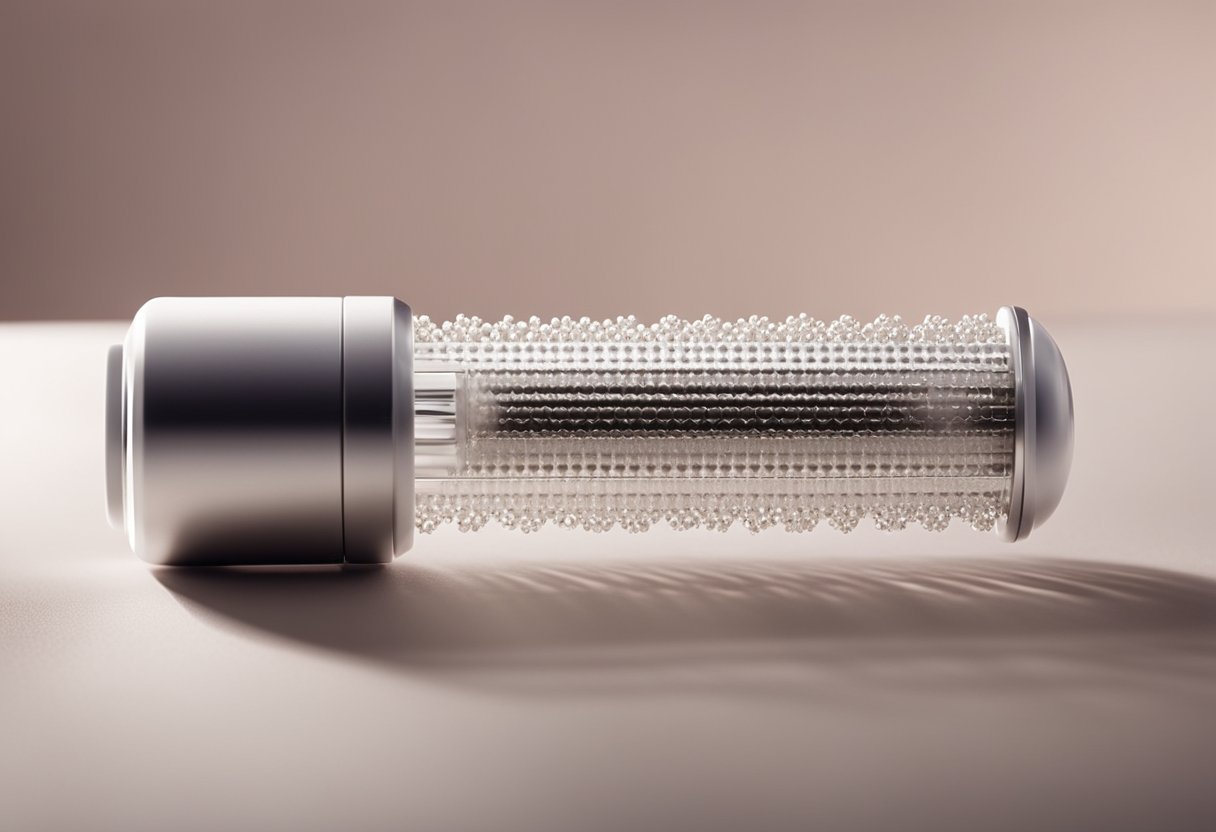
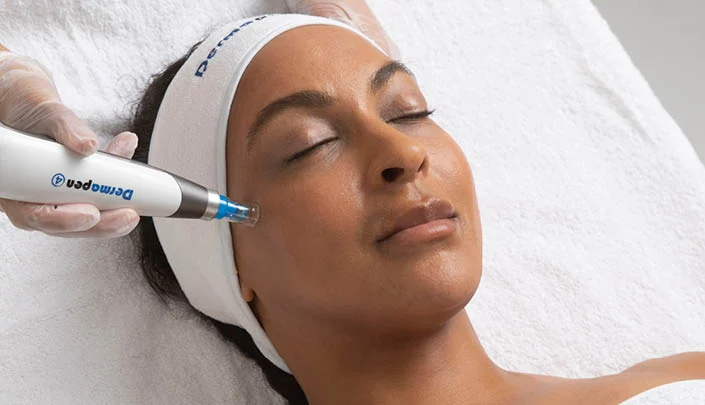
There are several types of microneedling devices available, including derma rollers, derma pens, and derma stamps. Derma rollers are handheld devices that have tiny needles on a roller that is rolled over the skin. Derma pens are handheld devices that have tiny needles that move up and down rapidly, puncturing the skin. Derma stamps are handheld devices that have tiny needles in a stamp-like configuration that is pressed into the skin.
Overall, microneedling is a safe and effective procedure that can improve the appearance of fine lines, wrinkles, scars, and other skin concerns. However, it is important to note that at-home microneedling devices may not be as effective as professional treatments and can lead to injury if not used properly. It is best to consult with a skincare professional to determine if microneedling is right for you.
Benefits of Microneedling
Microneedling is a minimally invasive cosmetic procedure that utilizes tiny, sterilized needles to create micro-injuries on the skin’s surface. The procedure stimulates the body’s natural healing response, resulting in numerous benefits for the skin. Here are some of the benefits you can expect from microneedling:
Collagen Induction
Collagen is a protein that provides structure to the skin, keeping it firm and youthful. As we age, the body’s collagen production decreases, leading to wrinkles, fine lines, and sagging skin. Microneedling can help combat this by stimulating collagen production in the skin. The micro-injuries created by the needles trigger the body’s natural healing response, which includes the production of new collagen. This leads to firmer, smoother, and more youthful-looking skin.
Reduction of Scars and Hyperpigmentation
Microneedling can also help reduce the appearance of scars, including acne scars, and hyperpigmentation. The micro-injuries created by the needles stimulate the body’s natural healing response, which includes the production of new skin cells. This can help reduce the appearance of scars and hyperpigmentation by promoting the growth of new, healthy skin cells.
Improved Skin Texture and Firmness
Microneedling can also improve the overall texture and firmness of the skin. The micro-injuries created by the needles promote the production of new collagen and elastin, which are essential for maintaining skin elasticity and firmness. This can help reduce the appearance of fine lines and wrinkles, and improve the overall texture of the skin.
Minimizing Pores and Stretch Marks
Microneedling can also help minimize the appearance of large pores and stretch marks. The micro-injuries created by the needles stimulate the body’s natural healing response, which includes the production of new collagen and elastin. This can help tighten and smooth the skin, reducing the appearance of large pores and stretch marks.
Enhancing Product Absorption
Microneedling can also enhance the absorption of topical products, such as serums and vitamin C. The micro-injuries created by the needles create tiny channels in the skin, allowing topical products to penetrate deeper into the skin. This can help maximize the benefits of your skincare products, leading to healthier, more radiant-looking skin.
In summary, microneedling offers numerous benefits for the skin, including collagen induction, reduction of scars and hyperpigmentation, improved skin texture and firmness, minimizing pores and stretch marks, and enhancing product absorption. If you’re looking for a minimally invasive way to improve the overall health and appearance of your skin, microneedling may be worth considering.
Microneedling for Specific Skin Conditions
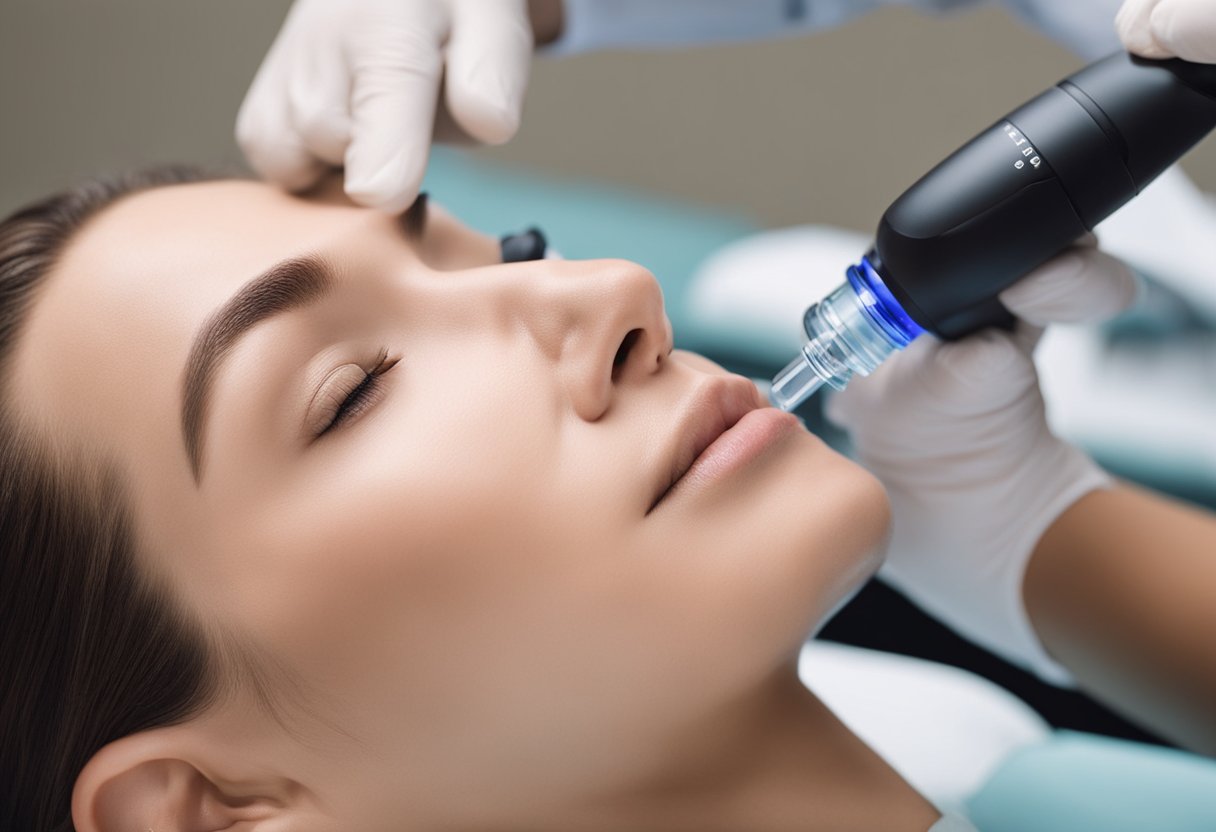
Microneedling is a cosmetic procedure that uses small, sterilized needles to prick the skin. This treatment aims to generate new collagen and skin tissue to smooth, firm, and tone the skin. Microneedling can be an effective treatment for various skin conditions. Here are some of the specific skin conditions that microneedling can help with:
Acne and Acne Scarring
If you suffer from acne or acne scarring, microneedling can help by stimulating collagen production to promote skin healing. The procedure can also help to reduce the appearance of acne scars by breaking up scar tissue and encouraging the growth of new, healthy tissue. Microneedling can be combined with other treatments such as chemical peels or topical acne medications for even better results.
Aging Skin: Wrinkles and Fine Lines
As we age, our skin loses collagen and elastin, leading to wrinkles and fine lines. Microneedling can help to stimulate collagen production to improve skin texture and reduce the appearance of wrinkles and fine lines. The procedure can also help to tighten sagging skin, making it a popular choice for those looking to combat the signs of aging.
Pigmentation Issues
Microneedling can be an effective treatment for pigmentation issues such as dark spots and uneven skin tone. The procedure can help to break up excess melanin in the skin and encourage the growth of new, healthy skin cells. Microneedling can be combined with other treatments such as topical lightening agents for even better results.
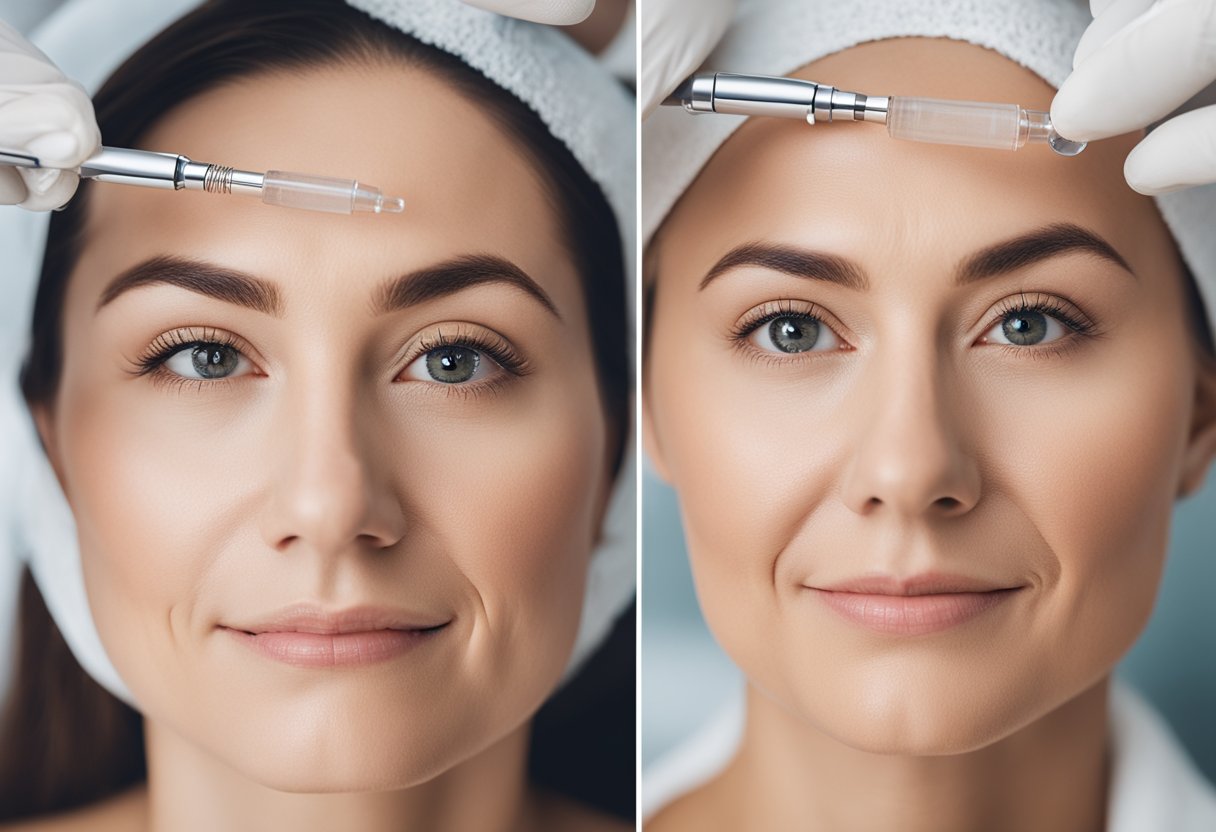
Rosacea and Sensitive Skin
If you have rosacea or sensitive skin, microneedling can help to reduce inflammation and redness. The procedure can also help to strengthen the skin barrier, making it less susceptible to irritation. Microneedling can be combined with other treatments such as topical anti-inflammatory agents for even better results.
In summary, microneedling can be an effective treatment for a variety of skin conditions, including acne, scarring, wrinkles, fine lines, pigmentation issues, rosacea, and sensitive skin. If you are considering microneedling, be sure to consult with a professional to determine if it is the right treatment for you.
Professional Microneedling vs. At-Home Treatments
Microneedling is a popular treatment for improving the appearance of fine lines, wrinkles, and scars. While some people prefer to do it themselves at home, others opt for professional treatments. Here is what you need to know about the differences between professional microneedling and at-home treatments.
Safety and Efficacy
One of the biggest differences between professional microneedling and at-home treatments is safety and efficacy. Professional treatments are performed by a board-certified dermatologist or plastic surgeon, or licensed aesthetician with experience in microneedling. They use medical-grade equipment and follow strict safety protocols to minimize the risk of infection and ensure the best possible results.
On the other hand, at-home microneedling can be risky if not done properly. Long needles can also be dangerous in amateur hands, which is why they should only be utilized by a professional. Technique is very important when it comes to dermal rolling and microneedling. If done incorrectly, it can cause damage to the skin, which can lead to scarring or infection.
Choosing the Right Option
Choosing between professional microneedling and at-home treatments depends on your comfort level and experience. If you are new to microneedling, it is recommended to start with professional treatments to ensure safety and efficacy. Professional microneedling treatments are performed in controlled environments using sterile equipment and following strict safety protocols. This minimizes the risk of infection and ensures the best possible results.
However, if you are experienced and comfortable with microneedling, at-home treatments may be a good option for you. At-home treatments are less expensive than professional treatments and can be done at your convenience. However, it is important to use the right equipment and follow the instructions carefully to avoid any damage to the skin.
In conclusion, while at-home microneedling may seem like a convenient and cost-effective option, professional treatments are recommended for safety and efficacy. If you decide to do it yourself, make sure to use the right equipment and follow the instructions carefully. Consult with a board-certified dermatologist or plastic surgeon or licensed aesthetician with experience in microneedling to determine the best course of action for your skin.
The Procedure

Microneedling is a minimally invasive cosmetic procedure that uses tiny, sterile needles to create controlled micro-injuries on the skin’s surface. These micro-injuries stimulate the skin’s natural healing process and promote collagen and elastin production, resulting in smoother, firmer, and more youthful-looking skin.
Preparing for Microneedling
Before your microneedling treatment, it is important to follow some basic preparation steps to ensure the best possible results. Firstly, avoid using any skincare products that contain retinoids or exfoliants for at least 24-48 hours before your appointment. You should also avoid direct sun exposure and tanning beds for at least two weeks before your treatment, as well as any other skin treatments that may irritate your skin.
Your skincare professional will provide you with detailed instructions on how to prepare for your microneedling treatment. They may also apply a numbing cream to your skin to minimize any discomfort during the procedure.
What to Expect During Treatment
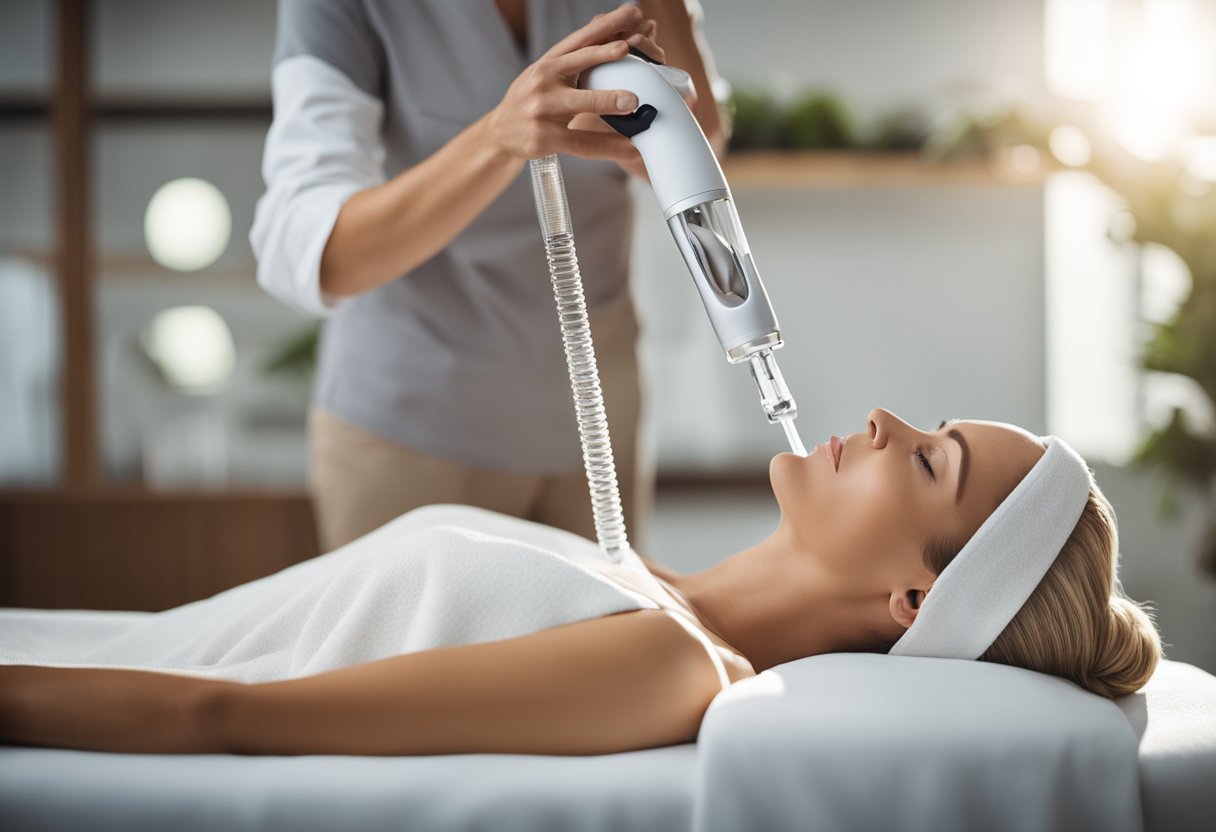
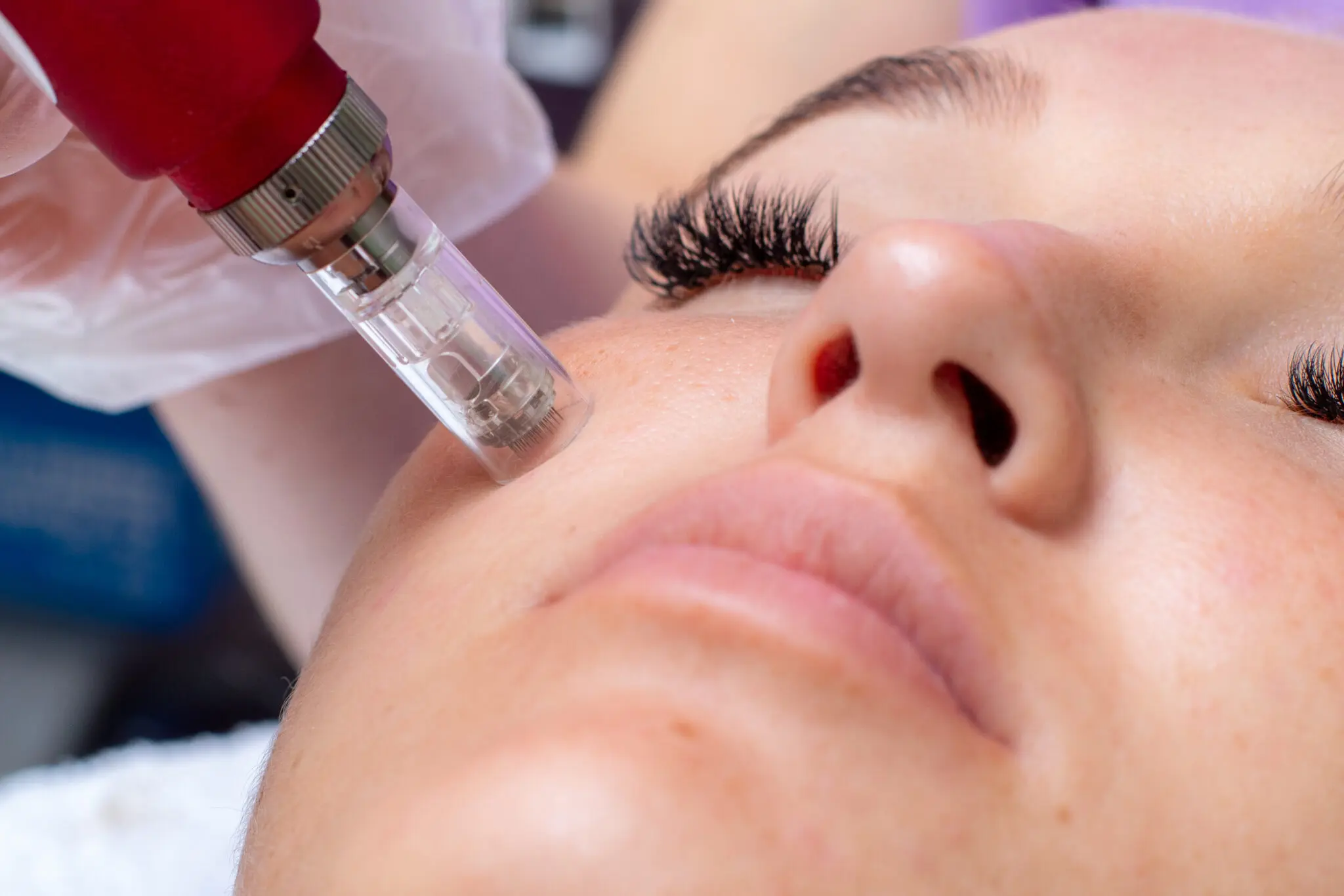
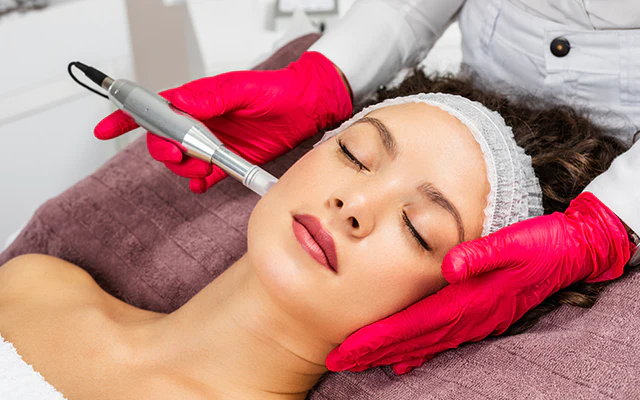
During the microneedling procedure, your skincare professional will use a special device that contains tiny, sterile needles to create micro-injuries on your skin’s surface. The device may be moved over your skin in a back-and-forth motion, or in a circular pattern, depending on the area being treated.
The procedure typically takes 30-60 minutes to complete, depending on the size of the area being treated. Most people find the procedure to be comfortable, but your skincare professional may apply a numbing cream to your skin beforehand to minimize any discomfort.
Post-Treatment Care and Downtime
After your microneedling treatment, your skin may be red and slightly swollen, similar to a mild sunburn. You may also experience some mild discomfort, but this should subside within a few hours to a day after the treatment.
To promote healing and reduce the risk of infection, it is important to follow your skincare professional’s post-treatment care instructions carefully. This may include avoiding direct sun exposure, wearing a broad-spectrum sunscreen, and avoiding any skincare products that may irritate your skin.
Most people are able to resume their normal activities within a day or two after the procedure, but it is important to avoid wearing makeup or applying any other products to your skin until it has fully healed. Your skincare professional may also recommend multiple treatments spaced several weeks apart to achieve optimal results.
Potential Side Effects and Risks of Microneedling

Microneedling is generally considered a safe and effective procedure, but there are some potential side effects and risks to be aware of. In this section, we will discuss the most common side effects and how to manage complications.
Common Side Effects
After microneedling, it is common to experience redness, irritation, and bruising in the treated area. You may also experience some discomfort and pain during the procedure. These side effects are usually mild and will resolve on their own within a few days.
In some cases, microneedling can cause bleeding or open wounds, which can increase the risk of infection. If you experience excessive bleeding or have open wounds in the treated area, it is important to seek medical attention immediately.
Managing Complications
While microneedling is generally safe, there is a risk of complications, especially if the procedure is not performed by a professional. In rare cases, microneedling can cause an allergic reaction or infection.
To reduce the risk of complications, it is important to choose a qualified professional who has experience performing microneedling. Make sure that the professional uses sterile equipment and follows proper safety protocols.
If you experience any unusual symptoms after microneedling, such as severe pain, redness, or swelling, it is important to contact your healthcare provider immediately. They can help you manage any complications and ensure that you receive the appropriate treatment.
In conclusion, while microneedling is generally considered safe and effective, it is important to be aware of the potential side effects and risks. By choosing a qualified professional and following proper safety protocols, you can minimize your risk of complications and enjoy the benefits of microneedling.
Cost and Considerations
Microneedling is a cosmetic procedure that can help improve the appearance of scars, acne, wrinkles, and fine lines. While the treatment can offer many benefits, it is important to consider the cost and other factors before deciding if it is right for you.
Evaluating the Cost of Treatment
The cost of microneedling can vary depending on several factors, including the location of the treatment, the experience of the practitioner, and the size of the area being treated. According to Healthline, the average cost per session ranges from $100 to $700.
It is important to note that multiple sessions may be required to achieve optimal results. The number of sessions needed can vary depending on the individual’s goals and the severity of their skin issues. Therefore, it is essential to factor in the total cost of multiple sessions when evaluating the cost of treatment.
Insurance and Financing Options
Most insurance plans do not cover the cost of microneedling since it is considered a cosmetic procedure. However, some financing options may be available to help make the treatment more affordable.
Many practitioners offer financing plans that allow patients to pay for the treatment in installments. Some financing plans may even offer interest-free options for those who qualify.
In addition to financing, some practitioners may offer discounts for purchasing multiple sessions upfront. It is important to discuss all available payment options with the practitioner to determine the best option for your budget.
When considering microneedling, it is important to weigh the cost against the potential long-term benefits. While the treatment may require an initial investment, it can offer significant improvements in the appearance of scars, wrinkles, and fine lines. Ultimately, the decision to undergo microneedling should be based on your individual goals and budget.
Comparing Microneedling with Other Treatments
Microneedling is an effective skin rejuvenation treatment that has gained popularity in recent years. However, it’s important to understand how it compares to other treatments before deciding which one to choose. In this section, we’ll compare microneedling with laser treatments, chemical peels, and discuss combining treatments for enhanced results.
Microneedling vs. Laser Treatments
Laser treatments are another popular skin rejuvenation option. They use concentrated light to target specific areas of the skin, promoting collagen production and reducing the appearance of fine lines, wrinkles, and scars. However, laser treatments can be expensive and require more downtime than microneedling. Additionally, laser treatments may not be suitable for all skin types, whereas microneedling is safe for all skin types.
Microneedling vs. Chemical Peels
Chemical peels use acid solutions to remove the outer layer of skin, revealing smoother, younger-looking skin underneath. While chemical peels can be effective, they can also be harsh on the skin and cause redness, irritation, and peeling. Microneedling, on the other hand, is gentler on the skin and has fewer side effects. Microneedling is also more effective at treating scars and stretch marks than chemical peels.
Combining Treatments for Enhanced Results
Combining treatments can enhance the results of both treatments. For example, combining microneedling with radiofrequency or laser resurfacing can increase collagen production and improve skin texture. Combining microneedling with chemical peels can also enhance the results of both treatments, resulting in smoother, more youthful-looking skin. However, it’s important to consult with a skincare professional to determine which combination of treatments is right for you.
Overall, microneedling is a safe and effective skin rejuvenation treatment that is suitable for all skin types. While it may not be as effective as laser treatments for certain skin concerns, it has fewer side effects and requires less downtime. Additionally, combining microneedling with other treatments can enhance the results, resulting in smoother, more youthful-looking skin.
Frequently Asked Questions (FAQs)
What improvements can one expect in facial skin after microneedling?
Microneedling can improve the appearance of fine lines and wrinkles, acne scars, enlarged pores, stretch marks, and uneven skin texture. It can also enhance overall skin tone and elasticity. According to a study published in the Journal of Cutaneous and Aesthetic Surgery, microneedling can increase collagen production by up to 400%.
How long can one expect the results from microneedling to last?
The results from microneedling can last for several months, depending on the individual’s skin type and condition. However, it is recommended to undergo a series of treatments to achieve optimal results. Maintenance treatments may also be necessary to maintain the benefits of microneedling.
What are the potential side effects associated with microneedling?
The potential side effects of microneedling include skin redness, swelling, and mild bruising. These side effects are usually temporary and subside within a few days. In rare cases, microneedling can cause infection, scarring, or hyperpigmentation.
How frequently should microneedling treatments be performed for optimal results?
The frequency of microneedling treatments depends on the individual’s skin type and condition. For optimal results, it is recommended to undergo a series of treatments spaced 4-6 weeks apart. Maintenance treatments may also be necessary to maintain the benefits of microneedling.
Can microneedling provide benefits for overall skin health?
Yes, microneedling can provide benefits for overall skin health. It can stimulate collagen production, improve skin texture and tone, and enhance the penetration of skincare products. Microneedling can also help reduce the appearance of fine lines and wrinkles, acne scars, and hyperpigmentation.
What are the common drawbacks or risks involved in microneedling procedures?
The common drawbacks or risks involved in microneedling procedures include skin redness, swelling, and mild bruising. In rare cases, microneedling can cause infection, scarring, or hyperpigmentation. It is important to choose a qualified and experienced provider to minimize the risk of complications.