Keeping Your Hamilton Business Secure with a New Chain Link Fence
Essential Protection for Commercial Properties
A chain link fence can boost your business’s safety and security. It creates a clear boundary around your property, keeping unwanted visitors out.
Chain link fencing is quick to install and cost-effective, making it a top choice for many business owners throughout Hamilton, Ancaster, Binbrook and
You can make your chain link fence even more secure. Adding a bottom rail or buried mesh stops people from crawling under.
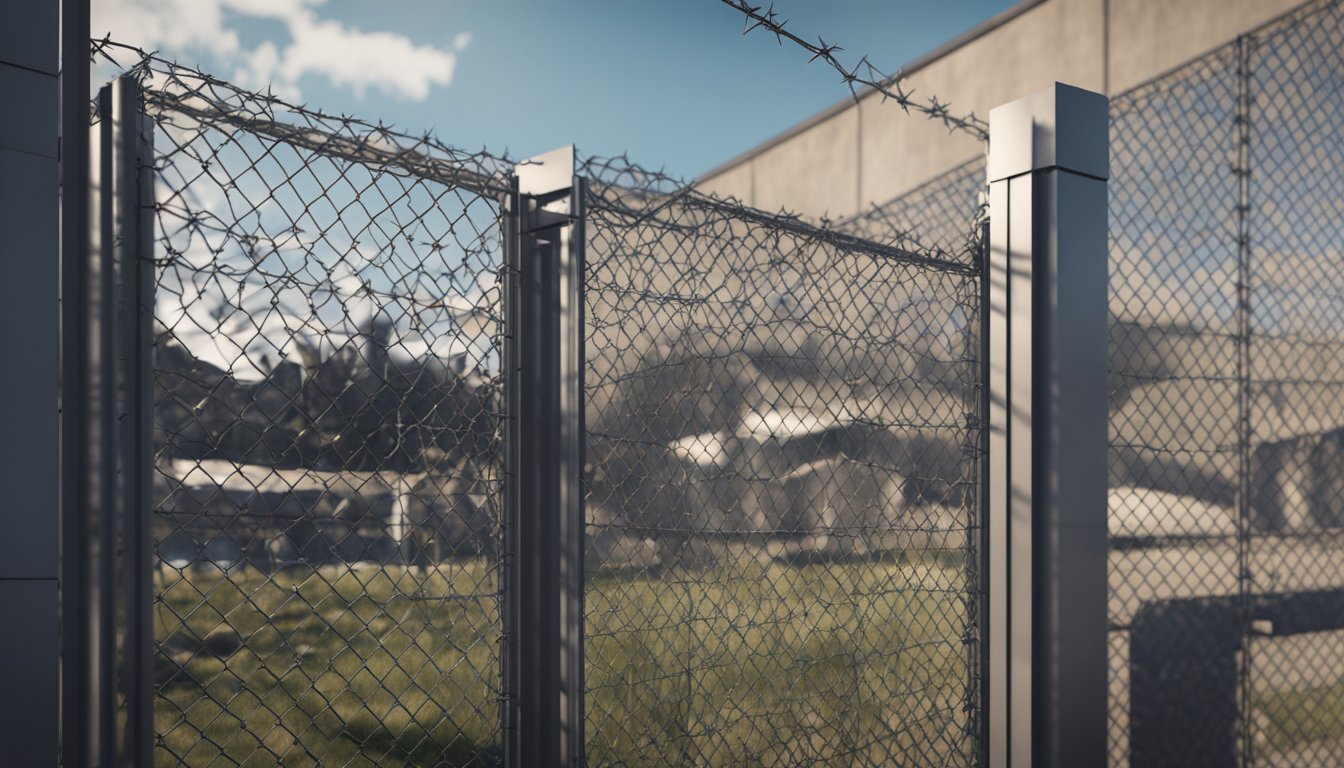
Barbed or razor wire on top deters climbers. Choosing a thicker wire gauge makes the fence stronger.
Your fence’s main job is to protect your business. But it can look good too. You can pick from different colours and styles to match your building.
With the best chain link fence from an experienced fence installation company like JR Fencing in Hamilton, you’ll have peace of mind knowing your property is safe.
Assessing Your Security Needs
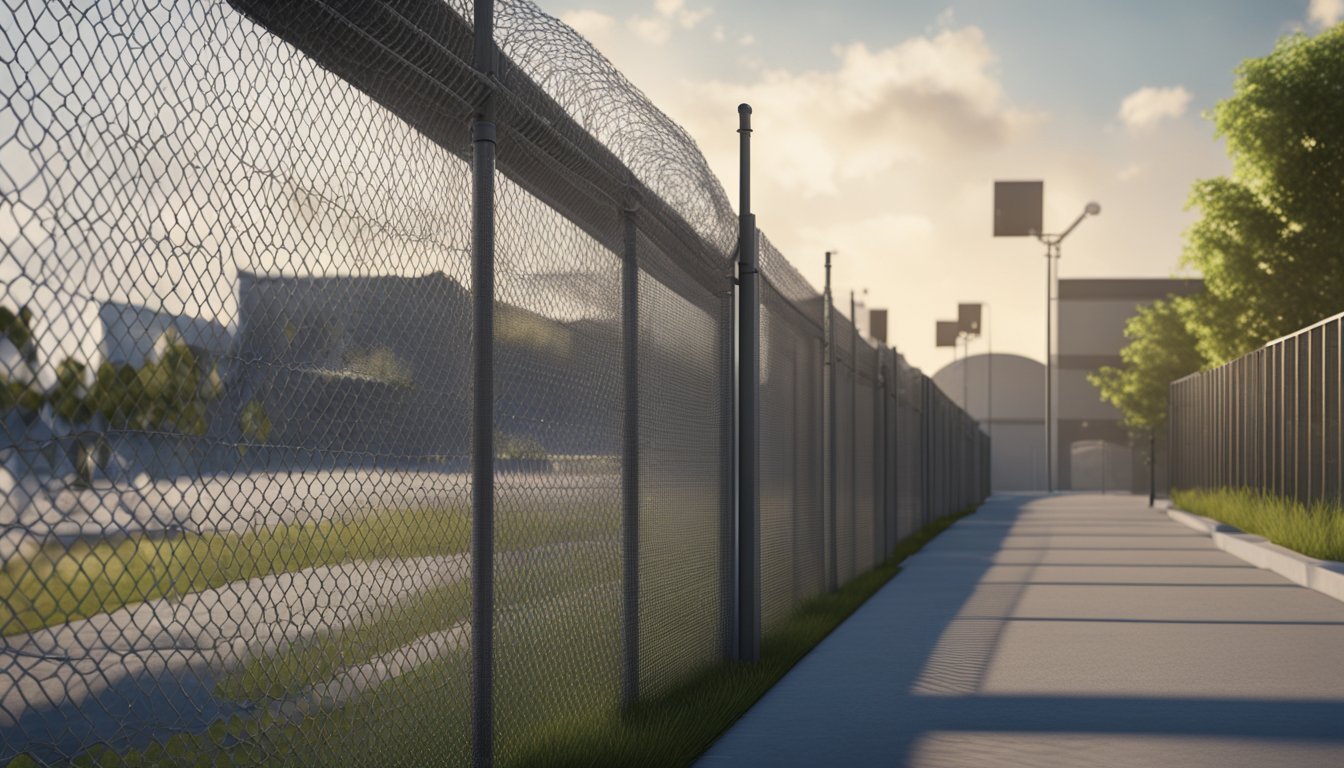
Before installing a chain link fence, you need to evaluate your specific security requirements. This involves considering the type of property you’re protecting and deciding on the right fence dimensions.
Commercial vs. Residential Fencing
Commercial properties often have different security needs than homes. For businesses, chain link fences can provide crucial perimeter protection. They deter trespassers and help control access to your property.
Key considerations for commercial fencing include:
- Durability to withstand potential tampering
- Visibility for surveillance purposes
- Ability to add security features like barbed wire
For residential properties, privacy may be a bigger concern. You might want to add slats or mesh to your chain link fence for increased seclusion.
Home fencing priorities often include:
- Keeping children and pets safe
- Defining property boundaries
- Enhancing curb appeal
Determining Appropriate Fence Height
The height of your chain link fence plays a crucial role in its effectiveness as a security measure.
Generally, taller fences offer more protection but may have drawbacks.
Standard heights for chain link fences:
| Property Type | Typical Height Range |
|---|---|
| Residential | 4 to 6 feet |
| Commercial | 6 to 12 feet |
For homes, a 4-foot fence might suffice for defining boundaries. If you’re aiming for more security, consider a 6-foot fence.
Commercial properties often require taller fences. An 8-foot fence can deter most intruders. For high-security areas, you might opt for 10 to 12-foot fences.
Remember to check local zoning laws. Some areas restrict fence heights, especially in front yards.
Selecting the Right Chain Link Fence
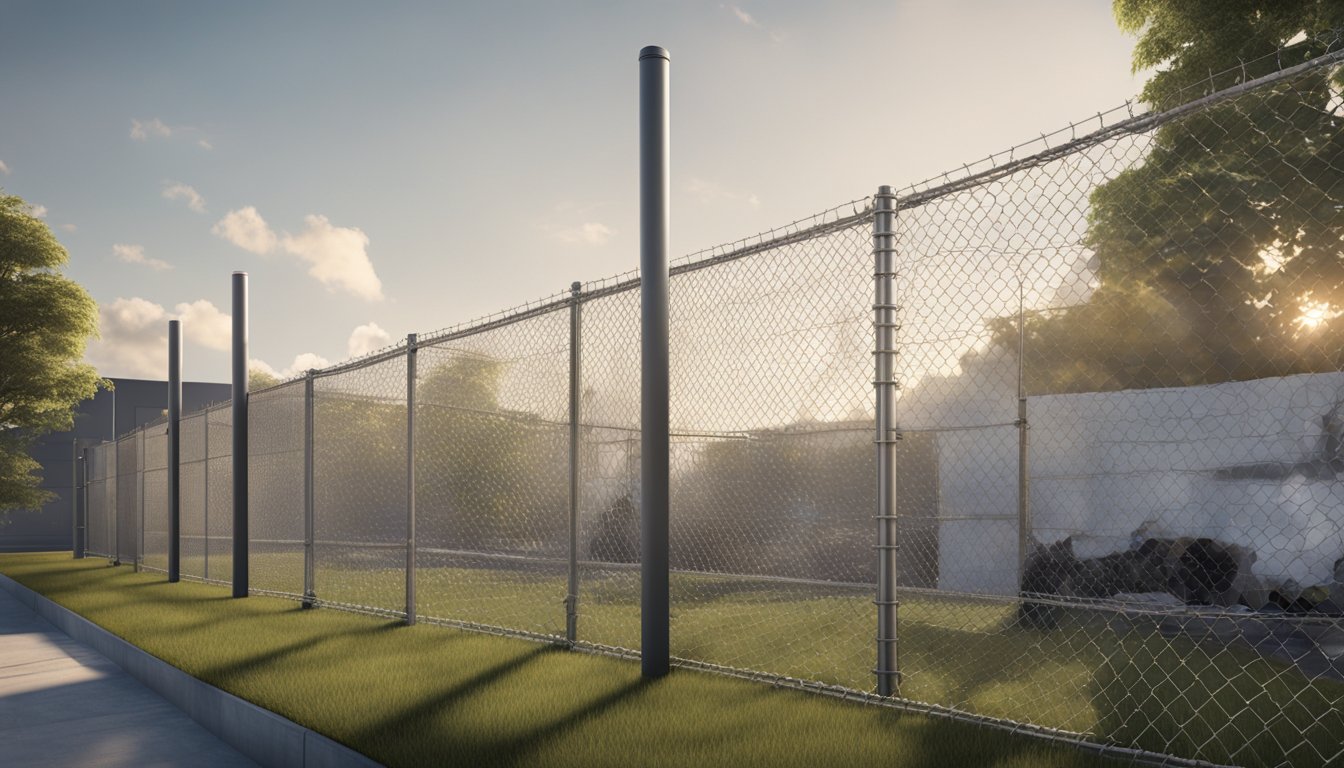
Picking the perfect chain link fence for your business involves several key factors. You’ll need to consider wire gauge, fence style, and privacy options to ensure your fence meets your security needs.
Understanding Wire Gauge and Thickness
Wire gauge is crucial when choosing a chain link fence. The lower the gauge number, the thicker and stronger the wire. For business security, you should opt for a gauge between 6 and 11.
Thicker wires offer more durability and resistance to cutting or bending. A 6-gauge fence is extremely sturdy, while an 11-gauge fence provides adequate security for most commercial applications.
Consider these factors when selecting wire gauge:
- Level of security needed
- Local climate conditions
- Budget constraints
Remember, thicker wires cost more but last longer and provide enhanced protection.
Choosing Between Knuckle-Barb and Barb-Barb
The fence style affects both appearance and security. You have two main options:
- Knuckle-barb: Smoother top with knuckled ends
- Barb-barb: Sharp points on both top and bottom
Knuckle-barb fences are safer and often used in areas with frequent public contact. They reduce the risk of injury but offer slightly less security.
Barb-barb fences provide maximum deterrence. The sharp points discourage climbing attempts. This style is ideal for high-security areas or locations with minimal public interaction.
Your choice depends on your specific security needs and the nature of your business premises.
Privacy Options with Slats and Mesh Size
Chain link fences offer various privacy options. Mesh size and privacy slats play key roles in determining visibility through your fence.
Mesh size refers to the space between wire diamonds. Smaller mesh sizes increase privacy and security but cost more. Common mesh sizes for commercial use range from 1 inch to 2 3/8 inches.
Privacy slats can be added to any chain link fence. They come in various materials and colours. Slats significantly reduce visibility and can enhance your property’s appearance.
Consider these privacy enhancement options:
- Vinyl-coated wire in dark colours
- Wooden or PVC slats
- Mesh fabric overlays
By carefully selecting mesh size and privacy additions, you can create a fence that balances security and aesthetics for your business.
Installation Best Practices
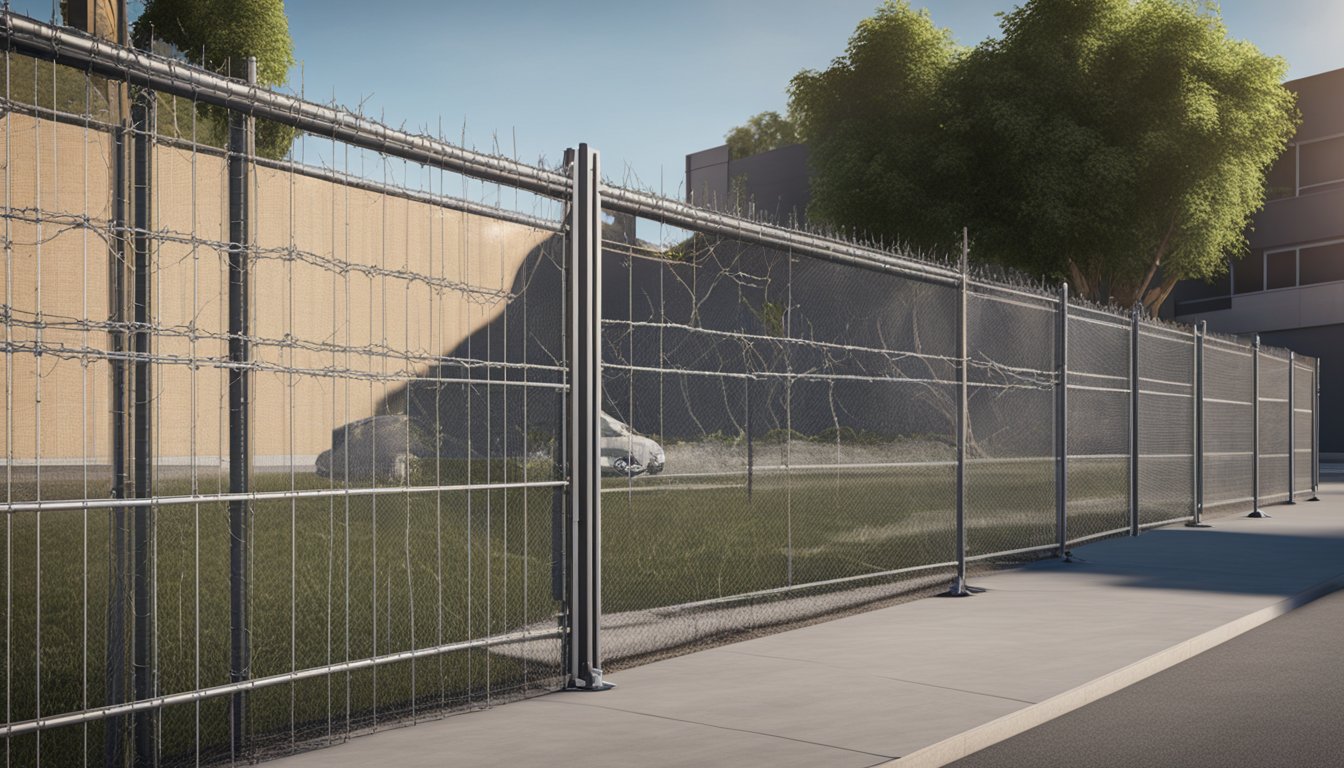
Proper installation of your chain link fence is crucial for security and longevity. Follow these key steps to ensure a strong, durable fence that protects your business.
Setting Posts and Ensuring Stability
Start by digging holes for your fence posts. Make them 3 times wider than the post diameter and 1/3 of the post length deep. Pour concrete into each hole, leaving 2-3 inches at the top for soil.
Use a level to keep posts straight. Space them 6-8 feet apart for strength. Let concrete set for 24-48 hours before adding fence fabric.
For extra stability in soft soil, add gravel at the bottom of each hole. This helps with drainage and prevents post movement.
Adding a Bottom Rail for Buried Mesh Security
A bottom rail adds strength and helps secure buried mesh. Install it 2 inches above ground level. Attach rail ends to posts with rail ends or bands.
Bury 6-12 inches of mesh below the rail. This stops intruders from lifting the fence and keeps animals from digging under.
Use galvanized wire to tie the mesh to the bottom rail every 24 inches. This creates a tight, secure bottom edge.
Securing with Tension Bands and Tie Wires
Tension bands hold the fence fabric to end, corner, and gate posts. Space them 12-15 inches apart. Tighten bolts firmly but don’t over-tighten.
Use tie wires to attach fence fabric to line posts and top rail. Space ties about 12 inches apart on posts and 24 inches on rails.
Twist tie ends tightly and bend sharp points inward for safety. Double-check all connections to ensure a secure fit.
For high-security areas, consider using heavier gauge wire ties or tamper-resistant fasteners.
Enhancing Security Features
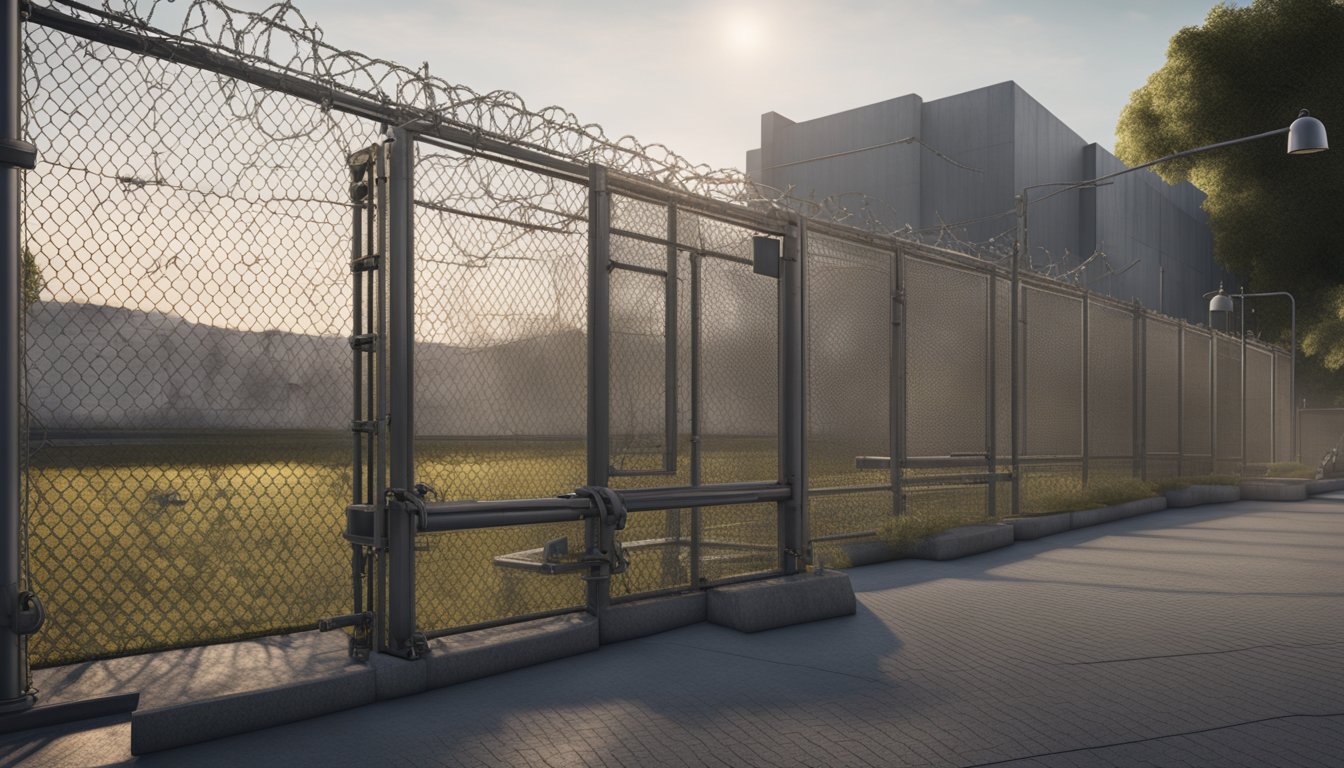
A chain link fence can be made more secure with additional features. These upgrades boost protection and deter intruders effectively.
Incorporating Barbed Wire and Razor Coils
Barbed wire and razor coils are powerful security enhancements for chain link fences. You can add barbed wire to the top of your fence using angled arms. This creates a formidable barrier against climbing.
Razor coils offer even stronger protection. These sharp, coiled wires make it nearly impossible for intruders to cross. You can install them along the top or sides of your fence.
Both options visually deter trespassers and show that your property is well-protected. Remember to check local laws before installing these features.
Integrating Advanced Fence Detection Systems
Modern technology can turn your fence into a smart security system. Fence detection systems use sensors to monitor your perimeter. They can alert you to any tampering or breaches.
Some systems use fibre optic cables to detect vibrations from climbing or cutting. Others use electronic pulses to sense disturbances. You can connect these to alarms, lights, or security cameras.
These systems work day and night in all weather. They reduce false alarms and provide real-time alerts, allowing for quick responses to potential threats.
Legal and Aesthetic Considerations
When installing a chain link fence for your business, you need to think about rules and looks. It’s important to follow local laws and make your property look nice.
Before putting up your fence, check the zoning laws in your area. These rules say how tall your fence can be and where you can put it.
You should also know exactly where your property lines are. This stops fights with neighbours and keeps you out of trouble. Get a land survey if you’re not sure.
Some places have rules about fence materials and styles. Make sure chain link is allowed where your business is.
Maintaining Aesthetic Appeal and Curb Appeal
A chain link fence can look nice and help your business image. You have options to make it fit in well.
- Add vinyl coating in coluors that match your building
- Put in privacy slats for a cleaner look
- Plant bushes or vines along the fence
Keep your fence clean and fix any damage fast. A well-kept fence makes your whole property look better.
Regular upkeep is key.
Make sure to remove rust, tighten loose parts, and replace broken sections. This keeps your fence looking good and working well.
Frequently Asked Questions
Chain link fences provide security and have many practical aspects. Let’s explore some common questions about their features, costs, and enhancements.
What are the cost implications of installing a security chain link fence?
The cost of a chain link fence varies based on size, materials, and features. Prices typically range from $10 to $20 per linear foot for basic installations.
Custom options or added security features can increase costs.
Factors affecting price include:
- Fence height
- Gauge of wire
- Coating type (galvanized or vinyl-coated)
- Gate installations
Can adding barbed wire to a chain link fence improve security measures?
Barbed wire can boost security for chain link fences. It deters climbing attempts and adds a visual deterrent.
Key points about barbed wire:
- It’s usually installed at the top of the fence
- You can angle it outward for better protection
- It may require permits in some areas
- It increases the overall fence height
What are effective methods to prevent animals from escaping under a chain link fence?
To keep animals from digging under your fence:
- Bury the fence 6-12 inches deep
- Install a concrete curb along the bottom
- Add L-footer mesh underground
- Use gravel or rocks at the fence base
These methods create barriers that discourage digging and burrowing.
How can chain link fence stakes enhance the stability and security of the fencing?
Fence stakes improve stability in several ways:
- They anchor the fence more securely into the ground
- They prevent sagging or leaning over time
- They increase resistance to strong winds or impacts
- They help maintain tension in the chain link mesh
Use stakes every 8-10 feet for best results.
What features does an anti-climb chain link fence offer to deter intruders?
Anti-climb fences have special design elements to prevent scaling:
- Smaller mesh openings that can’t be used as footholds
- Smooth top rails without attachment points
- Taller height, often 8 feet or more
- Curved or angled tops to discourage climbing
How does a fence detection system work in conjunction with a chain link fence to improve security?
Fence detection systems add an extra layer of protection:
- Sensors attached to the fence detect vibrations or movement
- Alerts are sent to security personnel or monitoring systems
- Can trigger alarms, lights, or cameras
- Help identify breach attempts quickly
These systems turn your fence into an active security measure. Pair with a professionally installed video security system for optimal protection.