Barn Repairs in Norfolk County: Comprehensive Services & Guide
Barns in Norfolk County face a constant barrage from weather, time, and daily farm life. Whether it’s a small fix or a full-on restoration, bringing in the right pros really matters for protecting your investment and keeping things running on the farm.
Professional barn repair services in Norfolk County cover everything from structural repairs and metal roof maintenance to siding replacement and foundation work. They help barns last longer and work better.
Companies like Ray Stewart Barn Painting Service specialize in agricultural, residential, and commercial buildings across the area.
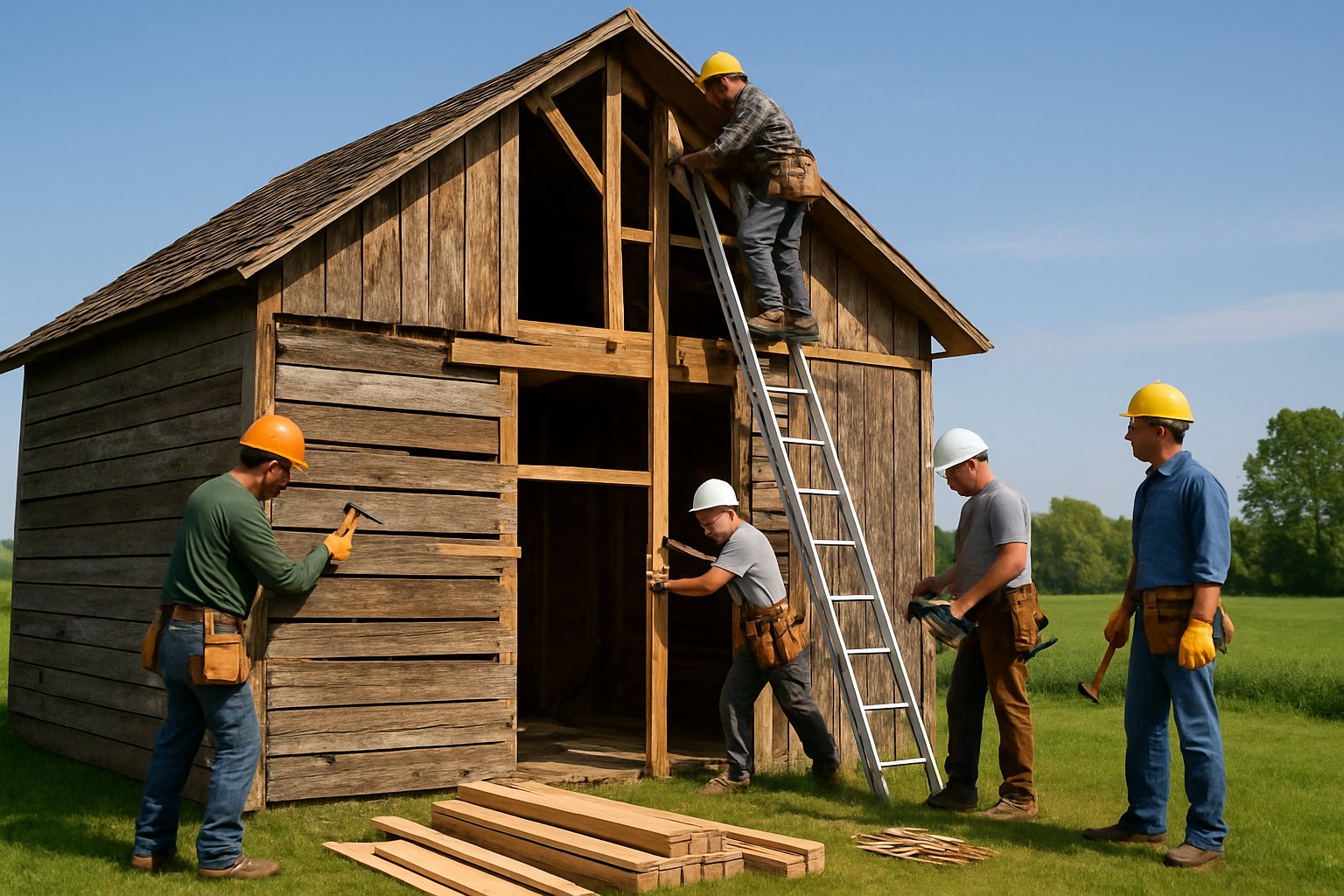
I’ve watched how regular barn maintenance stops small issues from turning into expensive disasters. Fixing loose boards, swapping out worn metal panels, sorting drainage, and updating doors keeps your barn safe and usable.
Knowing what services are out there, how to pick a contractor, and what affects repair costs makes a big difference around here.
Essential Barn Repair Services in Norfolk County
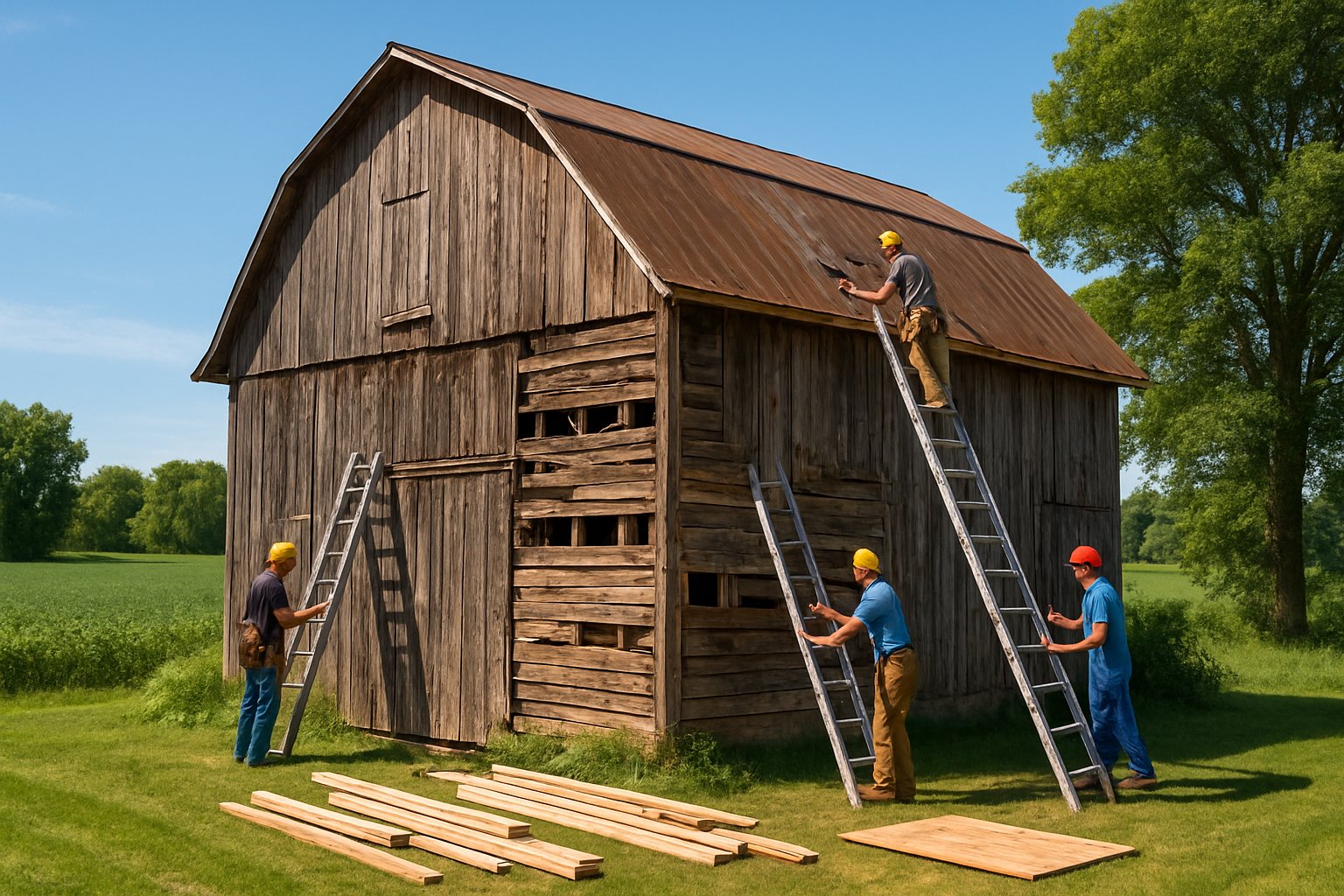
Barns in Norfolk County deal with tough weather and constant use. Assessment, roofing, and door and window repairs all play a part in keeping barns standing.
Structural Damage Assessment
I always say—start with a thorough structural check before diving into repairs. This helps spot problems that could put the whole building at risk.
Inspectors look at the foundation, beams, and walls. They search for settling, rot, or pest damage that can weaken the barn.
Key structural problems to watch for:
- Foundation cracks or shifting
- Rotted support beams
- Sagging roofs
- Walls pulling apart or bowing
Farmers here often find issues during routine checks. Catching them early keeps things safe and avoids bigger headaches.
Weather—especially ice, snow, and wind—really stresses barn frames. Regular assessments help keep barns sturdy and protect the livestock and gear inside.
Roof Repair and Replacement
Roofs take a beating from Norfolk County’s climate. Sometimes it’s just patching a leak, other times you need a whole new roof.
Metal roofs are everywhere on local barns because they’re tough. Repairs usually mean tightening panels, fixing flashing, or swapping out rusty fasteners.
Ray Stewart barn painting services has been at it for over 60 years, so they’ve seen it all.
Key roof parts needing attention:
- Eavestroughs and downspouts
- Fascia boards
- Soffit vents
- Ridge caps and valleys
Local barn repair crews handle both emergencies and scheduled work. Storms and leaks can’t wait, especially when hay or equipment are at risk.
Good ventilation is crucial. It keeps moisture from building up and causing rot, so roof repairs need to balance airflow and weatherproofing.
Door and Window Restoration
Barn doors and windows get a lot of abuse from weather and daily use. My focus is always on making sure they work right and keep the barn weather-tight.
Big sliding doors need their tracks cleaned, rollers replaced, and frames adjusted. Broken hardware is a security risk and lets in the weather.
Window repairs usually mean new glass, fixing frames, and fresh weatherstripping.
Common door and window issues:
- Warped or sagging frames
- Broken glass
- Worn-out weatherstripping
- Damaged hinges and hardware
Getting doors lined up right stops drafts, which helps with heating and keeps livestock comfy. Window fixes let in more light and keep the barn insulated.
Farmers here rely on working doors for moving equipment and animals. Fast repairs keep things on schedule and protect what’s inside.
Specialized Barn Painting for Longevity
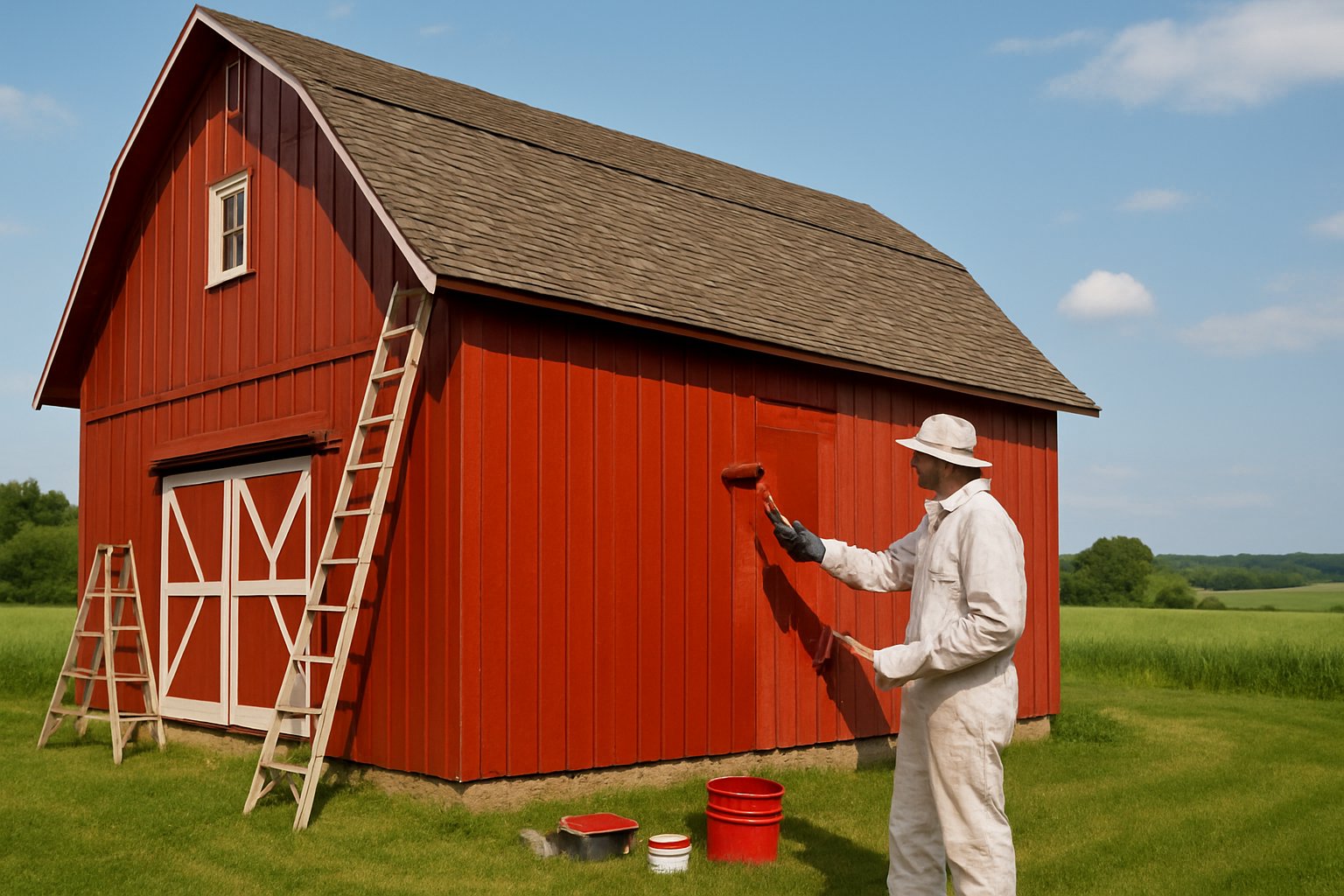
Barn painting shields structures from the elements and helps keep them solid for years. I focus on tough exterior work, smart interior strategies, and modern coatings that really last.
Exterior Painting Techniques
Every barn paint job starts with pressure washing. It gets rid of grime, mold, and old paint, so the new paint sticks well.
Barn painting services in Norfolk County prep every surface carefully. I patch up damaged wood before priming and painting.
My usual steps for painting barn exteriors:
- Scrape off loose or peeling paint
- Fill cracks and holes with wood filler
- Prime any bare wood
- Apply two coats of tough barn paint
I always pick paints made for agricultural buildings—they hold up against sun and weather better than regular house paint.
Siding needs a different touch than the roof. I use brushes for tricky spots and spray gear for big areas, just to get a smooth finish.
Interior Barn Painting Considerations
Painting inside barns is tricky thanks to moisture, dust, and animals. I check ventilation first to keep things safe.
Older barns sometimes have lead paint, so I test before scraping. If there’s lead, I follow all the right safety steps.
Here’s how I tackle barn interiors:
- Set up good lighting so I can see what I’m doing
- Use low-VOC paints for animal safety
- Prime with moisture-resistant products in damp areas
- Pick colors that brighten up the space
Light colors like white or cream make it easier to spot issues and keep things bright.
Animal areas need paints that stand up to ammonia and farm chemicals. I try to pick coatings that clean up easily and last.
Weather-Resistant Coatings
Modern coatings can add 15-20 years of life to a barn—seriously worth it. I always recommend these if you want the best protection.
Weather-resistant barn coatings flex with wood movement and block water, even in tiny cracks.
Features I look for in coatings:
- UV protection over 95%
- Stops mildew and algae
- Flexes with wood
- Handles salt spray (if you’re near the lake)
I apply these when it’s 50-85°F and not too humid. Too much moisture messes with curing.
Several thin coats work better than one thick one. I let each layer dry fully for best results.
These coatings cost more up front, but you paint less often and save on upkeep. Most of my clients end up cutting maintenance costs by about 40% over time.
Choosing The Right Barn Repair Company
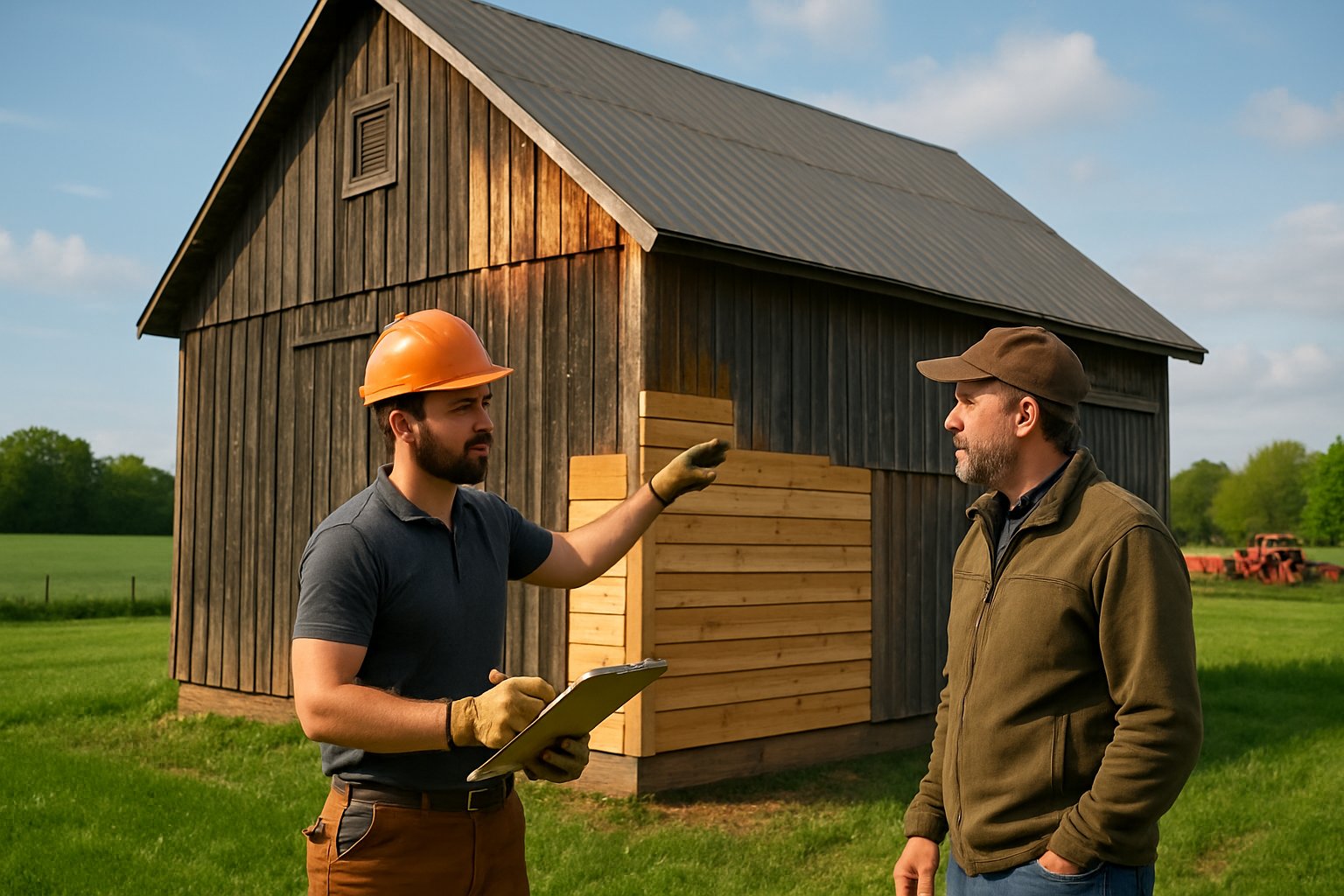
Picking a barn repair contractor isn’t just about price—it’s about experience, credentials, and safety. Local pros who know Norfolk County’s quirks and weather will give you the best results.
What to Look for in Professional Services
First thing I do? Check how long they’ve been fixing barns. Experience matters—a lot.
Look for companies that handle everything: roofs, structure, siding, the lot. One-stop shops are just easier.
Ask what materials they use. Good contractors will tell you exactly which paints and repair products they use, and why.
Check out their equipment and methods. Pros use things like airless paint sprayers and do detail work by hand when needed.
Don’t be shy—ask for references. If they’re proud of their work, they’ll share contacts from recent jobs nearby.
Always get a written estimate before work starts. It helps avoid nasty surprises and shows they’re professional.
Comparing Local Norfolk County Contractors
S&L Barn Painting and Repairs has 25 years under their belt and works seven days a week. Free estimates, too.
Ray Stewart Barn Painting travels all over Norfolk County and focuses on farmers’ needs, plus they’re flexible with scheduling.
See how fast each company responds. Some can get to you within a week, others take longer during busy times.
Ask about their service area. Local companies know the weather and building codes here better than outsiders.
Look at what they specialize in. Some just paint, others do full structural repairs.
Get a few quotes. Cheapest isn’t always best—sometimes a low price means missing important work.
Insurance and Safety Standards
Make sure your contractor has liability insurance. That way, you’re covered if something goes wrong.
Ask for proof of workers’ comp. If someone gets hurt, you don’t want to be on the hook.
See what safety steps they take for roof and ladder work. Barns are tall, and safety gear matters.
Check their prep work, too—cleaning, scraping, and protecting your property during repairs.
Cleanup counts. A real pro leaves your place tidy and hauls away the mess.
Ask about warranties on materials and labor. Good companies stand behind their work and put it in writing.
Barn Restoration and Preservation Strategies
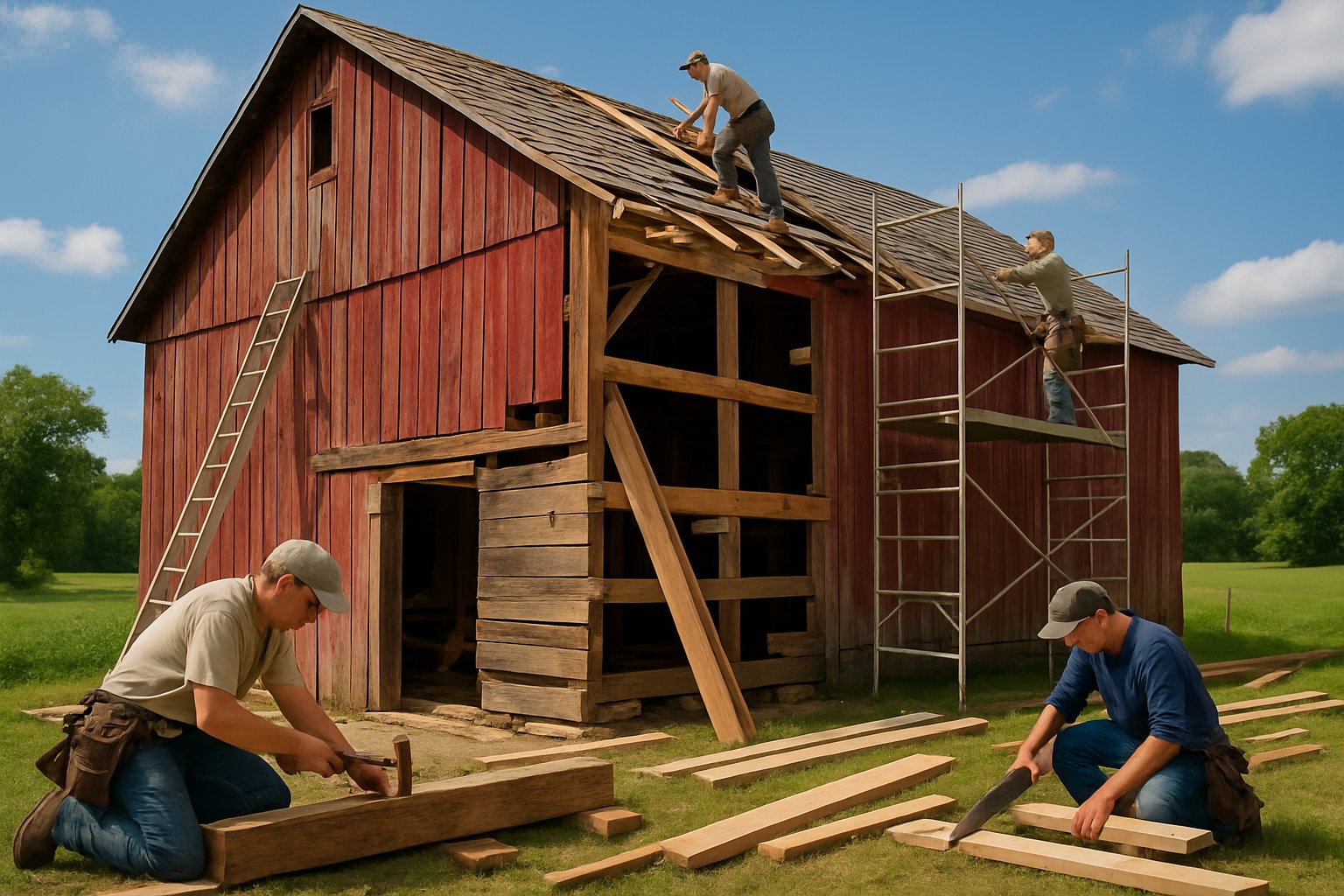
Restoring a barn is about keeping it solid and honoring its history. Smart upgrades and regular care can save you a lot down the road and help your barn last.
Historic Barn Restoration Methods
I always start by checking the barn’s structure and taking lots of photos and measurements. Documenting what’s there helps plan the right fixes.
Foundation comes first. I deal with moisture by adding drainage around the barn—French drains and good downspouts push water away.
For timber repairs, I stick to old-school joinery—mortise and tenon. If a beam’s bad, I’ll sister a new one next to it instead of ripping everything out.
Key restoration tasks:
- Stabilize and waterproof the foundation
- Reinforce beams with matching materials
- Repair the roof using period-appropriate materials
- Save original siding or find matching replacements
I try to keep original hardware if I can. Hinges and latches get cleaned and oiled. If something’s missing, I’ll check salvage yards.
Picking the right wood matters. White oak, Douglas fir, and Eastern white pine usually match old barns best. I do my best to match the grain and size.
Upgrading Materials for Modern Use
Balancing old-school looks with modern durability isn’t always easy. But you can upgrade without ruining the barn’s character.
Standing seam metal roofs last ages and still look classic. Cedar shingles are authentic and, if installed right, can last 25-30 years.
Sometimes I hide steel brackets inside beams for extra strength. Galvanized steel on the inside keeps things solid but out of sight.
Smart upgrades:
- Hidden steel in timber joints
- Modern waterproof membranes under traditional finishes
- Better insulation in the walls
- Improved ventilation that doesn’t change the barn’s look
For foundations, I use new waterproof coatings on old stone and add drainage tiles during any digging.
Siding gets a boost from modern preservatives that look old but work better. Tung oil and beeswax help wood breathe and fight moisture.
Preventative Maintenance Plans
Annual inspections are a must. I focus on spots where water can sneak in—roofs, foundations, doors, and windows.
In spring, I check for winter damage. That means looking at flashing, gutters, and any settling around the base.
Monthly to-dos:
- Clean out gutters and downspouts
- Check seals on doors and windows
- Make sure vents aren’t blocked
- Watch foundation for new cracks
Before winter, I seal up siding gaps and make sure drainage is set. Clearing vents is important before storing anything for the season.
I set up maintenance schedules based on the barn’s age and shape. Newer fixes need less attention, but original barns need more frequent checks. Keeping notes helps spot patterns.
Treating timber with linseed oil or milk paint every few years really helps. It wards off rot and bugs before they become problems.
Professional barn repair services help local farmers stay ahead of big repairs. Scheduled checkups catch issues when they’re still cheap and easy to fix.
Additional Barn Services and Upgrades
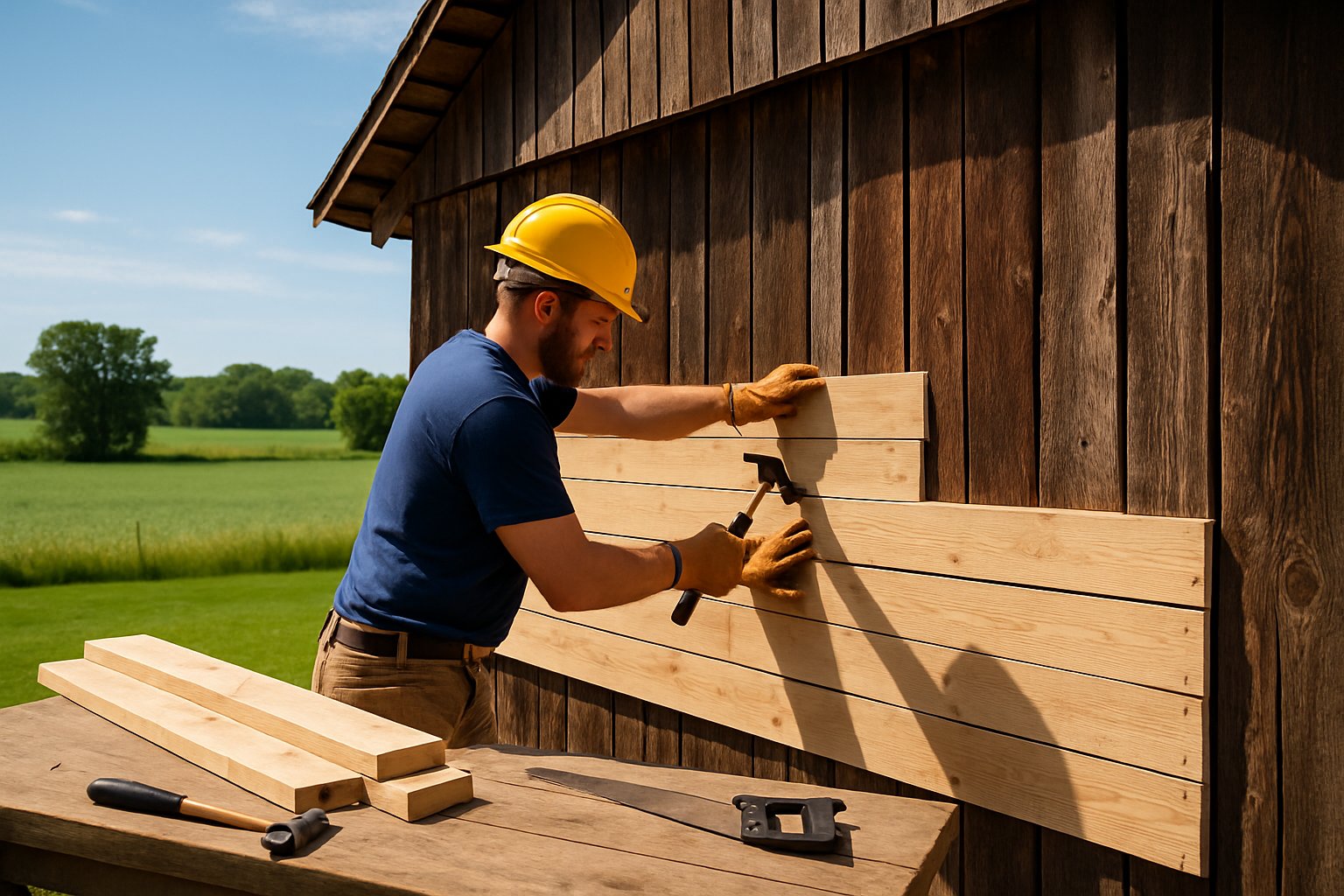
Barn contractors in Norfolk County offer more than just repairs. They handle custom color matching, deep surface prep, and even industrial-grade painting for larger farm operations.
Color Consultation and Custom Finishes
I work with barn owners to pick colors that fit their property and give solid protection. Ray Stewart uses Sherwin-Williams paints for coverage and durability.
Traditional barn red is still a favorite, but plenty of owners go for custom colors to match their brand or just personal taste. I check out existing structures and suggest finishes that work with different siding materials.
Metal barns need special paint to fight rust and handle heat expansion. Wood barns call for primers and topcoats that keep moisture out.
Custom finishes can include textured coatings for better weather resistance. Some barns do well with reflective paints that help keep things cooler inside during summer.
Color consultation means looking at how shades change in different light throughout the day.
Pressure Washing and Surface Prep
Getting the surface ready matters for how long your new paint lasts. I use high-pressure washing to get rid of dirt, mildew, and loose paint before starting any job.
Pressure washing removes accumulated debris that would otherwise mess with paint sticking properly. This step also clears out grease, bird droppings, and other stuff that damages surfaces over time.
I adjust the water pressure based on what I’m cleaning. Wood siding needs a gentler touch to avoid damage, while metal can handle more force.
After washing, I let the surfaces dry fully before painting. I check everything to make sure it’s clean and spot any areas that need more prep.
Some older barns need scraping and sanding after washing to get the best surface for new paint.
Commercial and Industrial Painting Options
Big farm operations need painting services that can handle lots of buildings at once. I use boom trucks and industrial gear to reach tall spots safely.
Commercial barn painting services cover storage tanks, silos, and equipment buildings, which need different coatings than regular barns.
Industrial-grade paints cost more, but they protect high-value buildings from chemicals and harsh weather better than standard paints.
I try to plan painting around farming schedules to avoid getting in the way during busy seasons like planting or harvest.
If you have several buildings to paint, you can often get volume pricing that brings down the cost per structure. Grouping projects helps with equipment setup and ordering materials.
Serving Norfolk County and Surrounding Areas
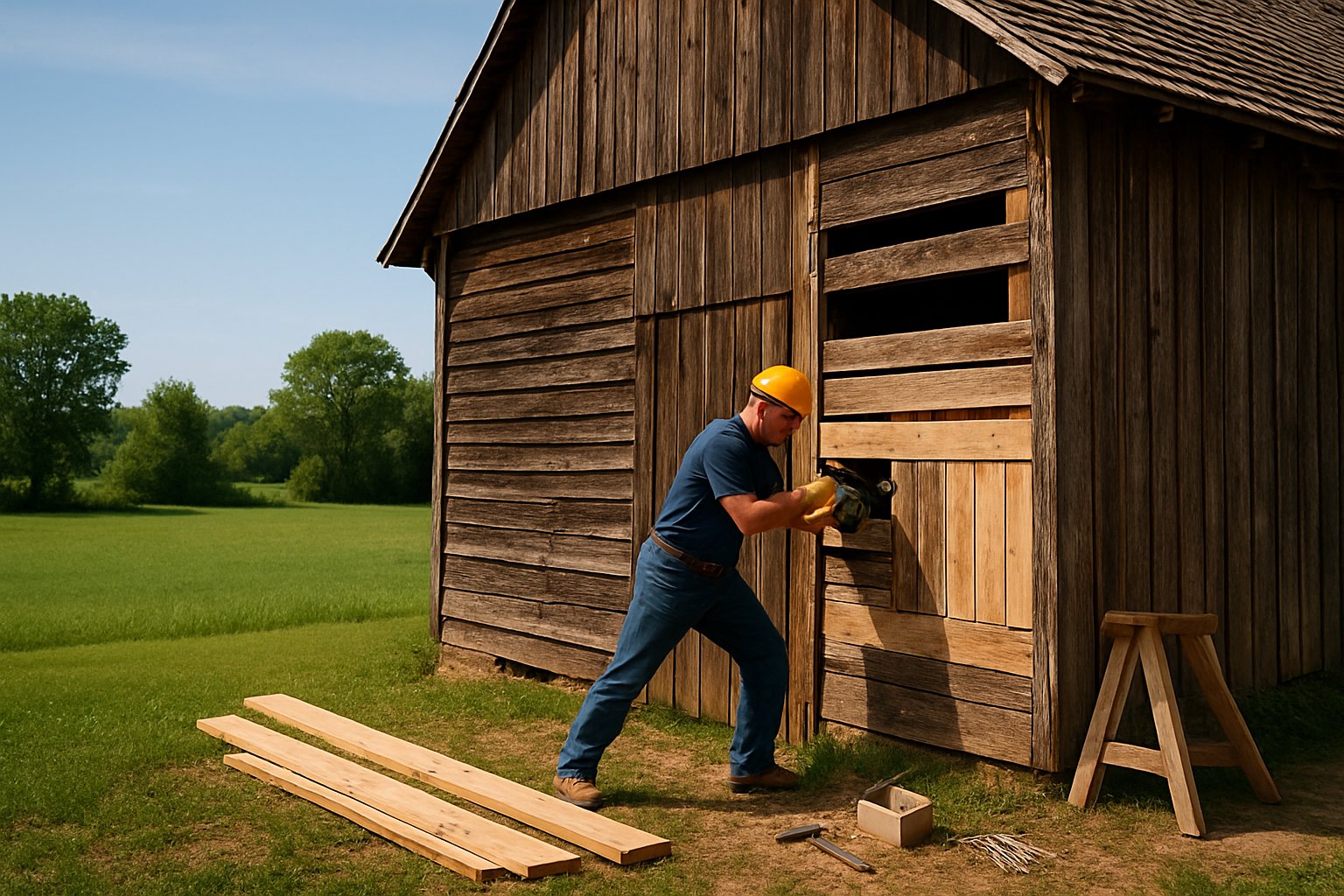
Professional barn repair services reach across Norfolk County’s farming communities. Contractors bring their expertise throughout Ontario, supporting local farmers and meeting growing demand.
Key Communities in Norfolk County
Norfolk County covers several important farming centers that rely on solid barn repair. Simcoe is the county seat and a central spot for farm operations. Port Rowan gives farmers access along the Lake Erie shoreline.
Delhi anchors the tobacco region with its old farm buildings. Tillsonburg sits on the county border and connects to more farming areas. Turkey Point serves coastal farm operations.
The county’s farming landscape is diverse—dairy, cash crops, specialty farming. Each farm needs a different repair approach, depending on building age and use.
Supporting Ontario Farmers
Ontario farmers rely on barn repair services to keep their buildings in shape. Norfolk County is in one of the province’s most productive farm regions. The area grows corn, soybeans, wheat, and more.
Dairy barns need special maintenance for health and safety. Equipment storage buildings need regular care to protect expensive machinery. Livestock barns need fast repairs to keep animals safe.
Spring and fall are best for big repairs. Emergency fixes happen year-round when storms or structural issues hit.
Expanding Across Southern Ontario
Norfolk County barn repair contractors now work throughout Southern Ontario. Expanding lets them serve more farms while keeping their local know-how.
Traveling with boom trucks and mobile repair gear, contractors bring tools right to the farm. That means less downtime for farmers.
Most service areas stay within a reasonable drive from Norfolk County. Contractors juggle travel costs and service quality. Some set up extra locations to handle distant jobs.
Expanding helps contractors stay busy during Norfolk’s slower periods. It also means farmers elsewhere benefit from the expertise built locally.
Cost Considerations and Free Estimates
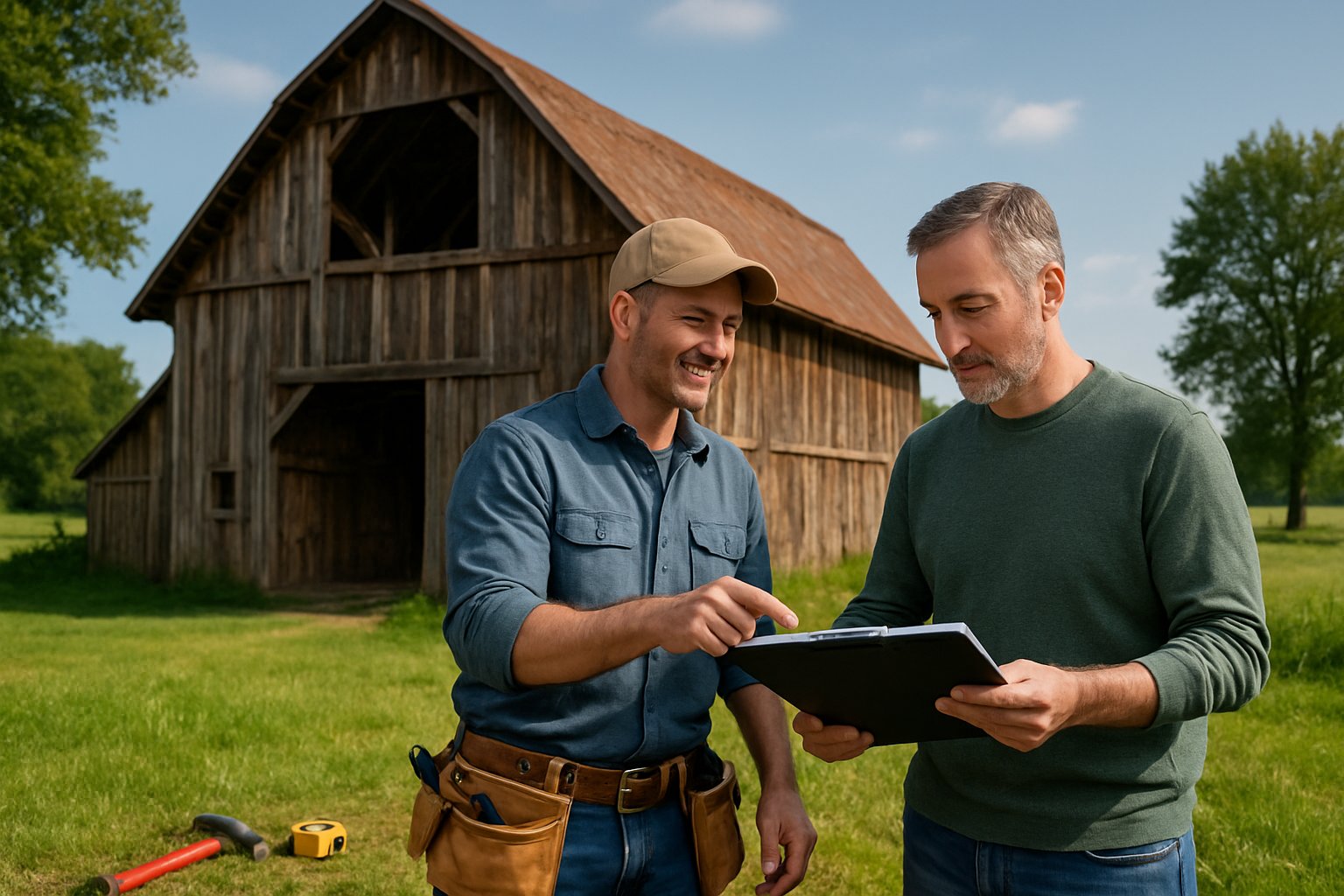
Barn repair prices depend on the project and the barn’s condition. Most reputable contractors offer detailed estimates for free, so owners can make good decisions.
Understanding Service Pricing
Barn repair services usually start around $5,000 for small fixes and can go over $150,000 for full restorations. Simple repairs like patching a roof or replacing siding fall on the low end.
Moderate renovations run $20,000 to $50,000 and might include full roof replacements or structural upgrades.
Major restoration starts at about $75,000. That covers things like foundation work, new framing, and full exterior makeovers.
Most contractors give free estimates if you’re in their service area. These visits help spot what needs fixing and give you an accurate price.
Factors Influencing Repair Costs
Several things impact repair costs. Structural damage takes the biggest chunk, especially with foundation problems or failing beams.
Material choices matter a lot. Metal roofing costs more upfront than asphalt, but it lasts longer. Replacing wood siding depends on lumber quality and what’s available.
Getting to the project site affects labor costs. Remote barns or those that need special equipment cost more. Barn restoration and repair services in Norfolk County often use boom trucks for safe work up high.
Permits add to the bill. If your barn is historic, you might get tax credits that cover up to 25% of the cost.
Weather delays can stretch out projects and push up labor costs. It’s best to plan repairs for good weather.
Frequently Asked Questions
Barn repair in Norfolk County comes with some specifics owners should know. The most common repairs are structural, roofing, and foundation issues, and permit needs depend on the job.
What are common issues that require barn repairs in Norfolk County?
Weather takes a toll on barns here. Heavy snow often damages roofs and beams in winter.
Foundation settling is another big one. The area’s clay soil shifts, so foundations crack and barns get unstable.
Siding replacement happens when wood rots from moisture. Metal roofing also needs repair if fasteners loosen or rust appears.
Support beams can rot or weaken, especially where there’s poor ventilation or drainage.
How do I select a reliable contractor for barn restoration?
Always check contractor licenses and insurance. Make sure they carry liability coverage for farm work.
Ask for references from recent Norfolk County barn jobs. Reach out to past clients about work quality and timelines.
Get detailed written quotes that break down materials and labor. Compare at least three estimates to see what’s fair for your repair.
Look for contractors experienced with farm buildings. Some only know residential work and might not understand farm codes.
What are typical costs associated with barn repair services?
Roof repairs usually run $8 to $15 per square foot for metal replacement. Fixing structural beams ranges from $500 to $2,000, depending on the damage.
Foundation work varies a lot. Sealing minor cracks costs $300 to $800, but replacing a foundation can go over $10,000.
Siding replacement is $6 to $12 per square foot for standard materials. Labor is about 60% of the total cost most of the time.
Emergency repairs cost 25% to 50% more than planned maintenance. If you can, schedule repairs off-season to save money.
Can historical barns in Norfolk County be repaired using traditional methods?
Yes, traditional timber framing works for historic barns. Many contractors still use mortise and tenon joinery for authentic restoration.
Heritage designation might require special repair methods. It’s worth calling Norfolk County’s planning department to check any restrictions.
You can get traditional materials like reclaimed wood and hand-forged hardware from specialty suppliers. They cost more but keep the barn’s character.
Modern building codes still apply, even for historic barns. Safety features like egress and load capacity have to meet today’s standards.
What is the process for repairing or replacing a barn roof?
First, I inspect the roof to find damaged areas and decide if repair or replacement is needed. I look at supports, decking, and roofing for signs of trouble.
Material removal happens in sections to keep the inside dry. I use tarps if the job takes more than a day.
Structural repairs come next. Any damaged rafters or trusses get replaced or reinforced before the new roof goes on.
I follow manufacturer specs for whatever roofing material you choose. Good ventilation and insulation help prevent future problems and make the roof last longer.
Are there any local building codes or permits needed for barn repairs in the area?
Building permits are required for most barn repairs in Norfolk County if the work involves structural changes or covers more than 10 square meters. Simple maintenance, like painting or fixing a bit of siding, usually doesn’t need a permit.
Every barn repair project has to follow zoning rules. The building’s still got to be used for agriculture, and you have to stick to the required property line setbacks.
If you’re planning major structural work, you might need a professional engineer involved. For barns over 600 square meters or taller than three stories, you’ll need engineer-sealed drawings to get a permit.
Honestly, it’s smart to call Norfolk County’s building department before you start repairs. They’ll walk you through what you need and help you avoid any headaches with codes or permits.