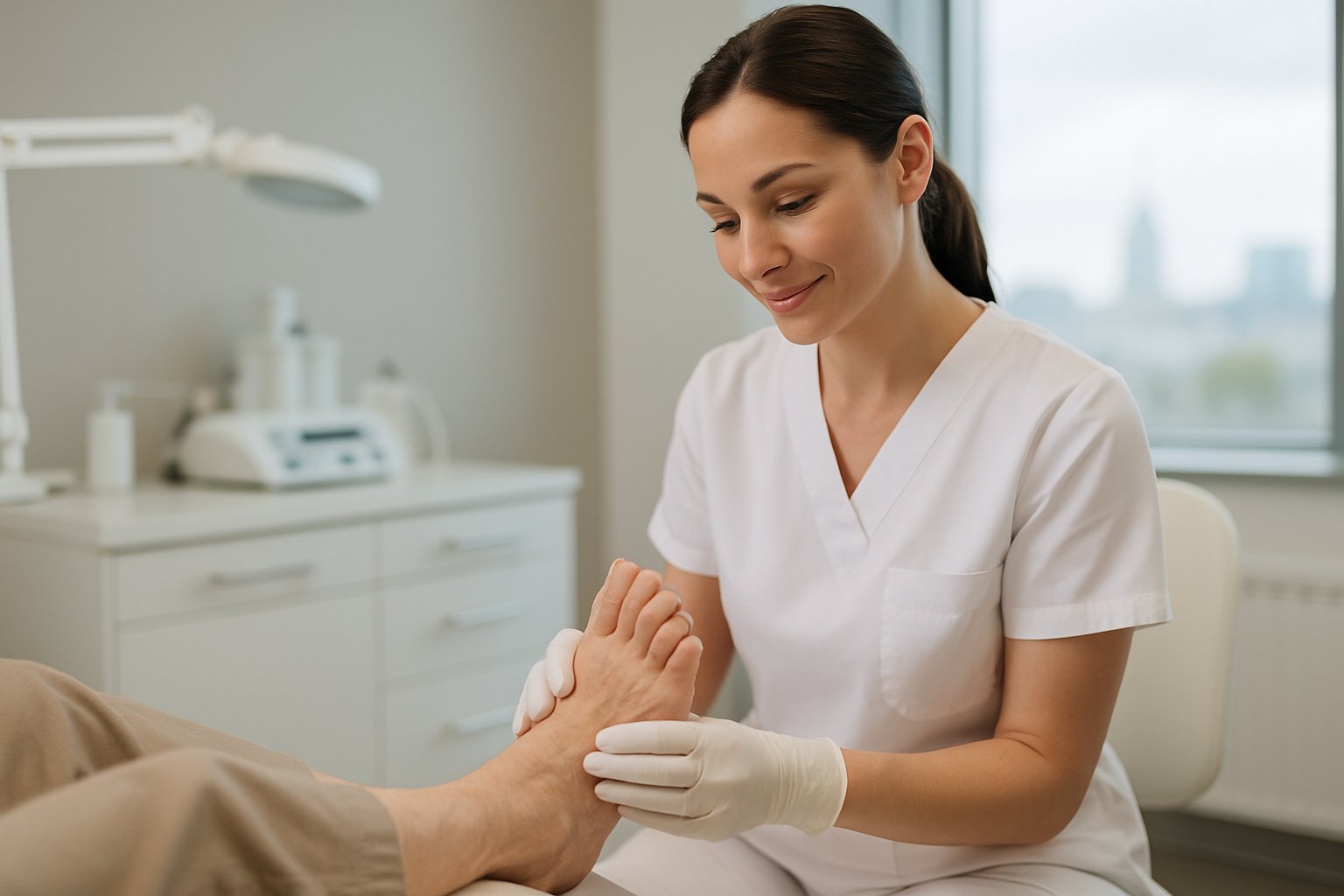
Nursing Foot Care in London Ontario: Services, Benefits, and Providers
When I first stumbled onto nursing foot care services in London Ontario, I realized there’s a whole field dedicated to non-invasive treatments for people who need professional foot maintenance but don’t want surgery.
Registered nurses and certified foot care specialists here handle everything from nail trimming and callus removal to wound care and diabetic foot management, whether you go to a clinic or they come to your home.
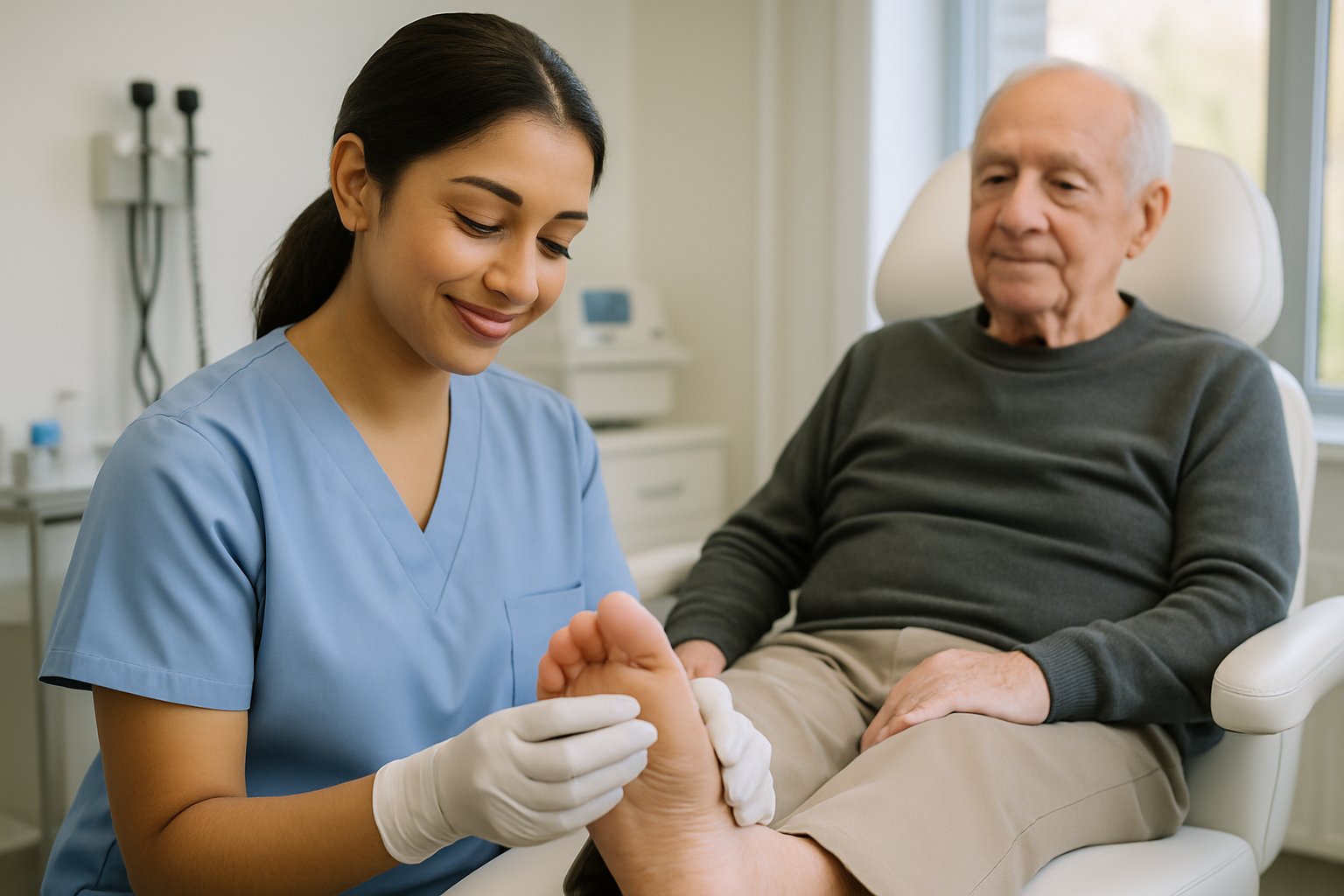
A lot of folks don’t know that proper foot care actually requires real training—especially for seniors, diabetics, or anyone with mobility issues.
Complete Foot Care Clinic provides invaluable non-invasive nursing foot care services across London Ontario, giving people a way to keep their feet healthy through professional nursing care instead of pricey medical procedures.
If you understand the different types of nursing foot care, how to pick a good provider, and what insurance covers, you can make better decisions about your feet.
Let’s break down the basics—assessments, treatments, and how to find a clinic or at-home service that fits your needs and budget.
What Is Nursing Foot Care?
Nursing foot care means registered nurses use specialized medical training to treat foot and nail issues.
The whole idea is to prevent bigger problems and keep your feet healthy with non-invasive, hands-on care.
Key Roles of Registered Nurses in Foot Care
Foot care nurses do a lot more than just wash feet.
I’ve seen them handle tricky nail trimming for thick or ingrown nails, and they’re pros at callus and corn removal with medical tools.
Nursing foot care specialists check wounds and keep an eye on diabetic feet, spotting infections or circulation problems before they get out of hand.
Pain management is a big part of what they do. These nurses figure out what’s causing foot pain and work out a plan.
They also teach you how to care for your feet at home and how to avoid problems down the line.
Keeping records and coordinating with other health providers is part of the job, too. Sometimes, they’ll refer you to a doctor or another specialist.
Benefits of Professional Foot Care
Nursing foot care keeps small problems from turning into big ones.
Regular treatment cuts down on infections, which is especially important for people with diabetes.
Getting rid of calluses, corns, or trimming nails the right way can make a huge difference in daily comfort and mobility.
Certified foot care specialists use sterile tools and know exactly how to avoid injuries—unlike most home attempts, which sometimes go sideways.
Nurses can spot circulation issues or skin changes early, so you don’t end up needing surgery later.
Over time, regular foot care can save you money by avoiding hospital visits or emergency wound care.
Foot Health and General Wellbeing
Foot health really affects how you move around and stay independent.
I’ve noticed that people with untreated foot issues often slow down, which hurts their overall fitness and strength.
Pain-free feet mean you can stick to your routines and keep up with friends and family.
Good foot care helps with balance, especially for older adults, and makes falls less likely.
Better sleep is another perk—no more tossing and turning because of sore feet.
And if you’ve got diabetes, keeping your feet healthy is a big part of managing your overall health.
Common Foot Conditions Treated by Nursing Foot Care
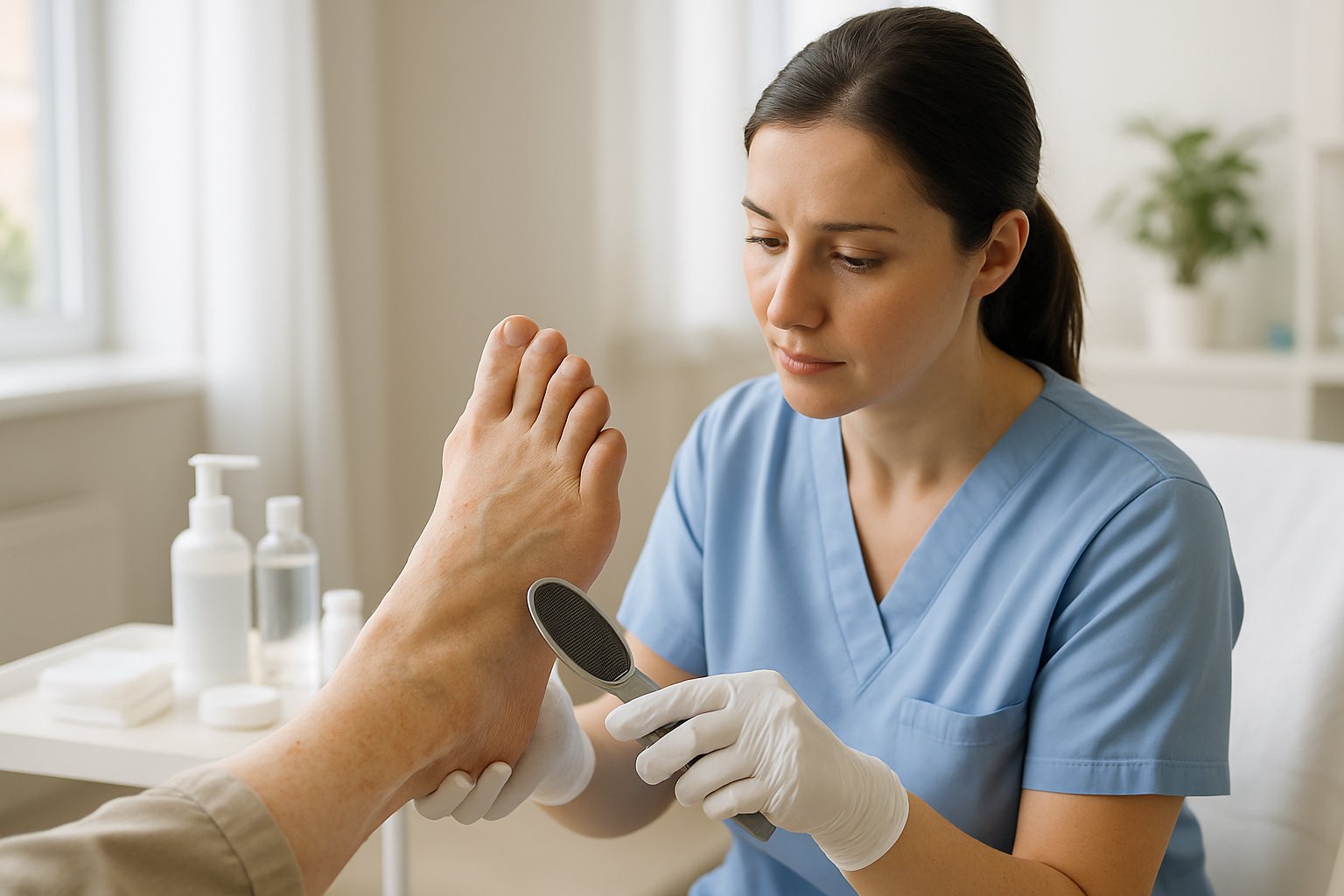
Nursing foot care usually focuses on three main things: nail problems, skin issues like calluses and corns, and special care for diabetic feet.
Toenail Disorders and Treatment Options
Lots of people deal with ingrown toenails, thick nails, or fungal infections.
Ingrown nails dig into the skin, causing pain and swelling. Nursing foot care specialists can trim the nail and clean up the area safely.
Thick toenails are tough to cut at home. I use special tools to trim them without hurting you.
Fungal infections make nails yellow and crumbly. They’re stubborn, but with regular care, I can keep them under control and stop them from spreading.
Calluses, Corns, and Skin Care
Calluses and corns show up when your feet get too much pressure or rub against shoes.
Calluses are big, flat, and usually on the bottom of your feet. I can remove the thick skin and smooth things out.
Corns are smaller and often pop up on or between your toes. Hard corns are on top; soft ones hide between toes.
I use sterile tools to pare them down, which brings quick relief. I’ll also talk about shoes or padding to help keep them from coming back.
Managing Diabetic Foot Concerns
Diabetes makes foot care a lot more complicated.
High blood sugar can mess with your nerves and blood flow, so healing slows down and infections spread fast.
You might not feel injuries because of nerve damage. I check your feet closely every visit to catch trouble early.
Even tiny cuts or ingrown nails need quick attention. I clean wounds and keep an eye on them to stop things from getting worse.
I check for temperature changes, swelling, or color differences that could mean circulation problems.
Regular foot care visits help keep diabetic feet healthy and out of the hospital.
Types of Nursing Foot Care Services in London Ontario
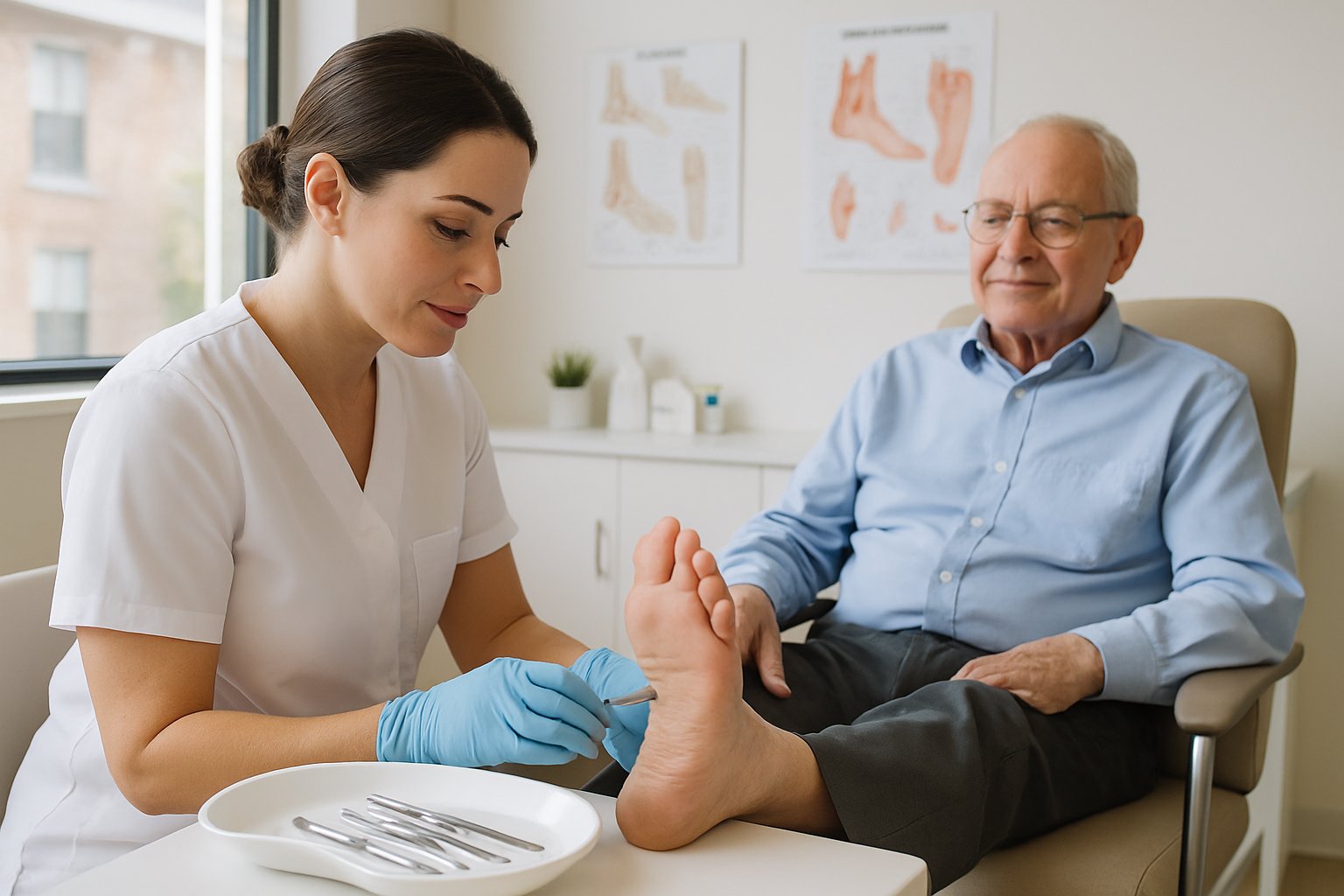
In London Ontario, you’ll find three main types of nursing foot care: clinic visits, in-home care, and specialized services for seniors or people with disabilities.
Each one has its perks depending on your health, mobility, and what you’re comfortable with.
Clinic-Based Foot Care
Complete Foot Care Clinic provides non-invasive foot care services at their modern facility.
I can get nail trims, callus removal, and corn treatments in a clean, professional space.
Clinics usually offer:
- Diabetic foot checks
- Wound care
- Fungal nail treatments
- Orthotic fittings
The equipment is top-notch, and the nurses know their stuff.
Lighting’s better, and you can usually find appointments that fit your schedule—evenings and weekends included.
Specialized Services for Seniors and Individuals with Disabilities
Some foot care nurses focus just on seniors or folks with disabilities.
Diabetic foot care is a big part of this, with regular checks for nerve or circulation issues.
Services for seniors might include:
- Fall risk checks
- Mobility assessments
- Reviewing how meds affect your feet
- Teaching family caregivers
Specialized nurses often work closely with your doctor or therapist.
Appointments can be longer, with more time spent on education and prevention.
They’re usually flexible with timing since they know not everyone can stick to a strict schedule.
Assessment and Personalized Care Planning
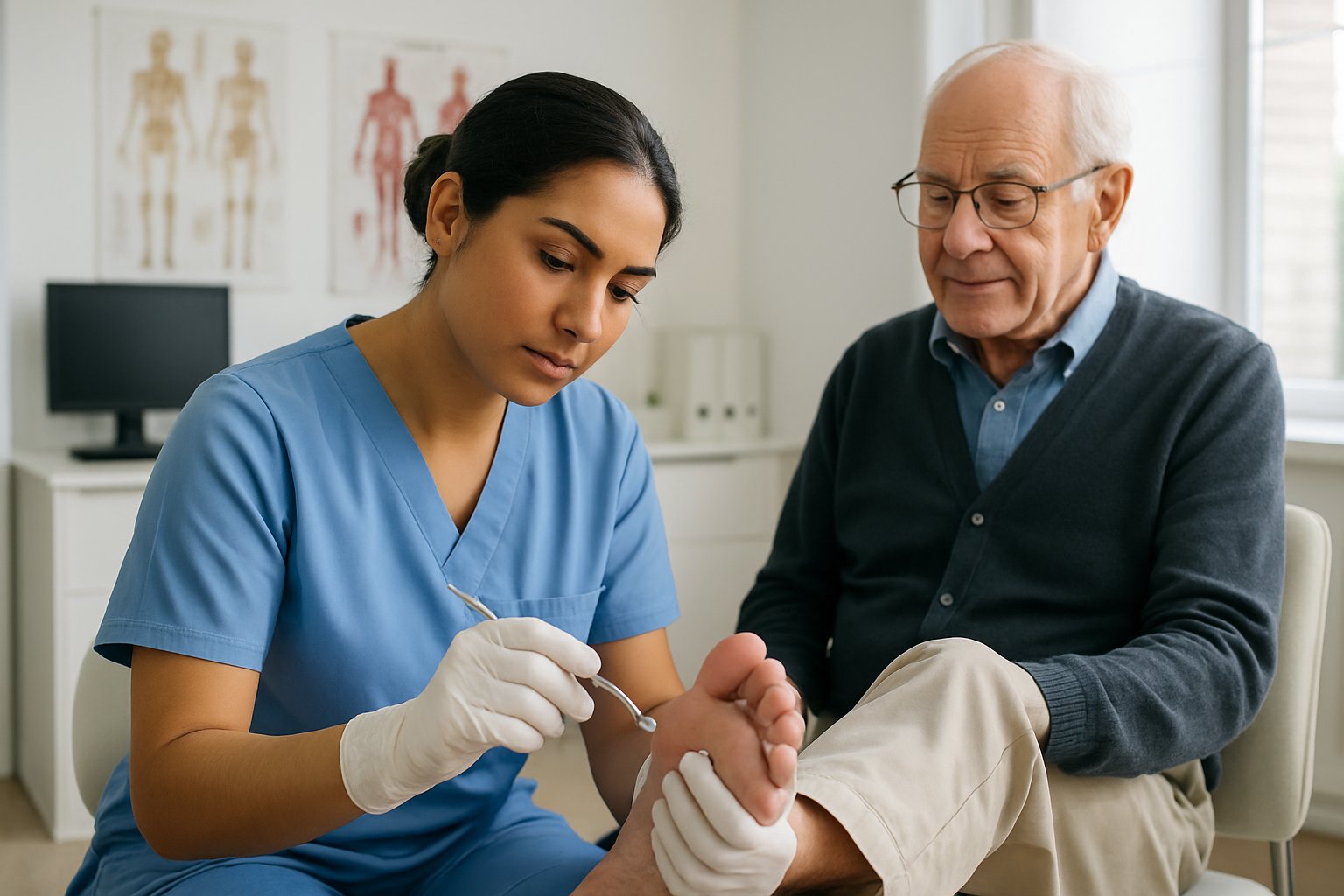
Every foot care visit starts with a good look at your feet to spot problems and make a plan.
Registered nurses check your risks and health conditions to make sure the care fits you.
Initial Foot Health Assessments
I begin every appointment by examining your feet.
I check skin, nails, circulation, and how well you can feel things.
I look for:
- Cuts, sores, or infections
- Thick, fungal, or ingrown nails
- Circulation (by checking pulses and color)
- Nerve issues (by testing sensation)
If you have diabetes, I pay extra attention to spots that usually cause trouble.
I’ll ask about your medical history and what meds you take, since some can slow healing or make bleeding more likely.
I also check between your toes for hidden problems.
Professional nursing foot care uses this thorough approach to catch issues early.
Custom Care Plans and Ongoing Monitoring
After the assessment, I put together a care plan just for you.
For diabetic clients, the focus is on infection prevention and regular checks. I might suggest more frequent visits and teach you how to do daily foot checks.
If you have circulation problems, I’ll recommend treatments to boost blood flow and help you find better shoes.
The plan includes:
- How often you should come in
- What services you’ll get
- What to watch for between visits
- Home care tips
I change the plan as your needs change. Some people need weekly visits at first, then less often once things settle down.
Advanced nursing foot care services keep detailed records to track progress.
Regular monitoring helps keep things on track. I reassess your feet each visit and adjust care as needed.
Choosing a Qualified Foot Care Provider
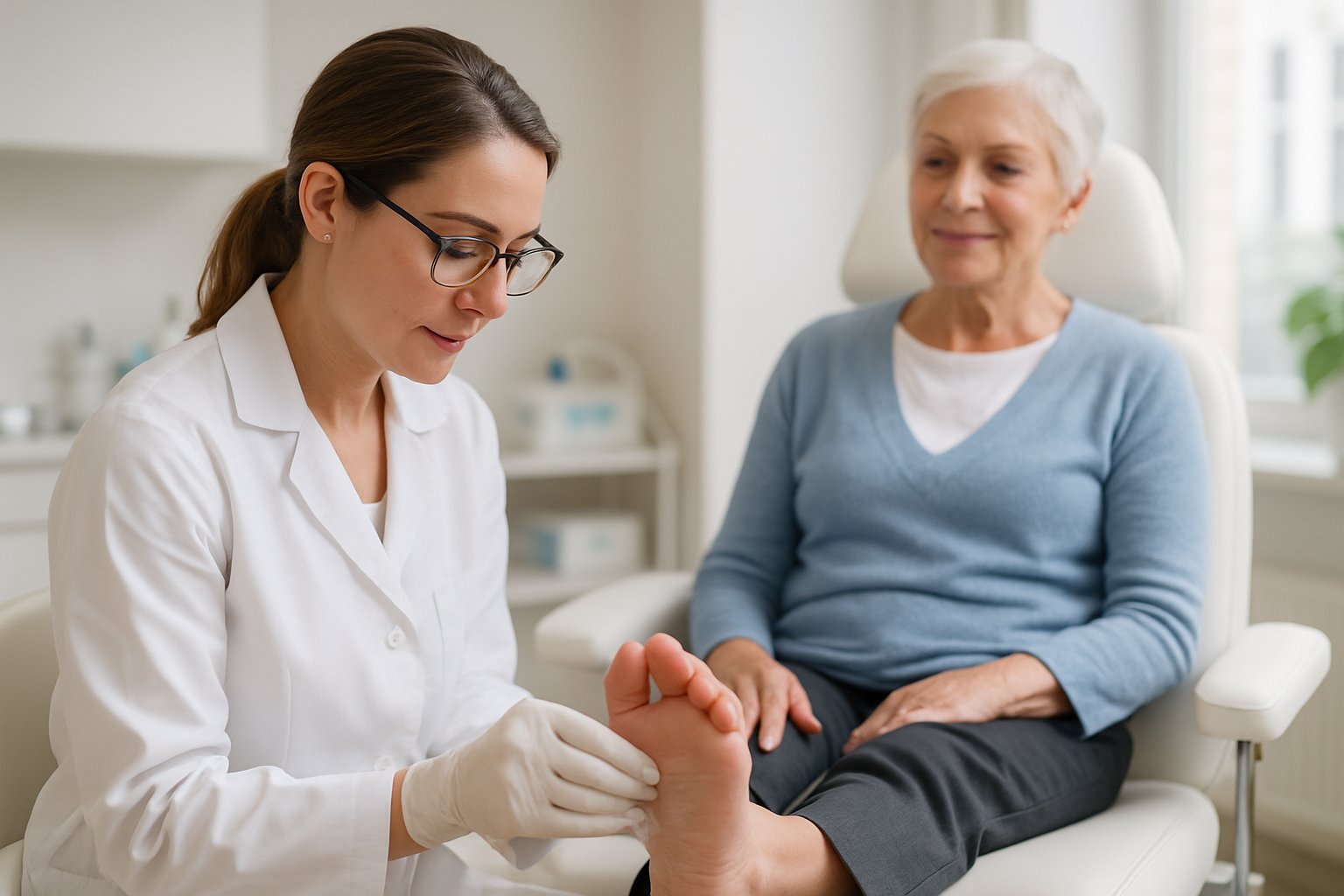
Picking the right foot care nurse means checking their credentials and knowing what to expect.
You want someone with the right training, a clear treatment plan, and a professional approach.
Credentials and Training
A good foot care provider should be a registered nurse with extra training in foot care.
Look for nurses who’ve taken advanced courses or have certifications in nursing foot care.
Many go through programs like Feet for Life, which covers nail trimming, callus removal, and diabetic foot care.
Ask about their education and how long they’ve been doing this.
Check if they keep up with new training. The best nurses take courses regularly to stay sharp.
Some work with chiropodists or podiatrists for extra oversight, especially for tricky cases.
Make sure your provider has liability insurance—it’s important for both of you if anything goes wrong.
What to Expect During Your Visit
Your first appointment usually includes a detailed look at your feet and a review of your medical history. The nurse checks your nails, skin, and overall foot health before starting any treatments.
A typical nursing foot care session runs about 45 to 60 minutes. The provider uses sterile tools and follows strict infection control steps.
Common services are nail trimming, callus removal, and basic wound care. The nurse might talk with you about foot hygiene and choosing the right footwear.
You’ll likely discuss any medications you take, especially blood thinners or diabetes meds. This info helps the nurse plan safe treatments for your needs.
Afterwards, you’ll get instructions for home care and advice on when to book your next visit.
Leading Nursing Foot Care Clinics in London Ontario
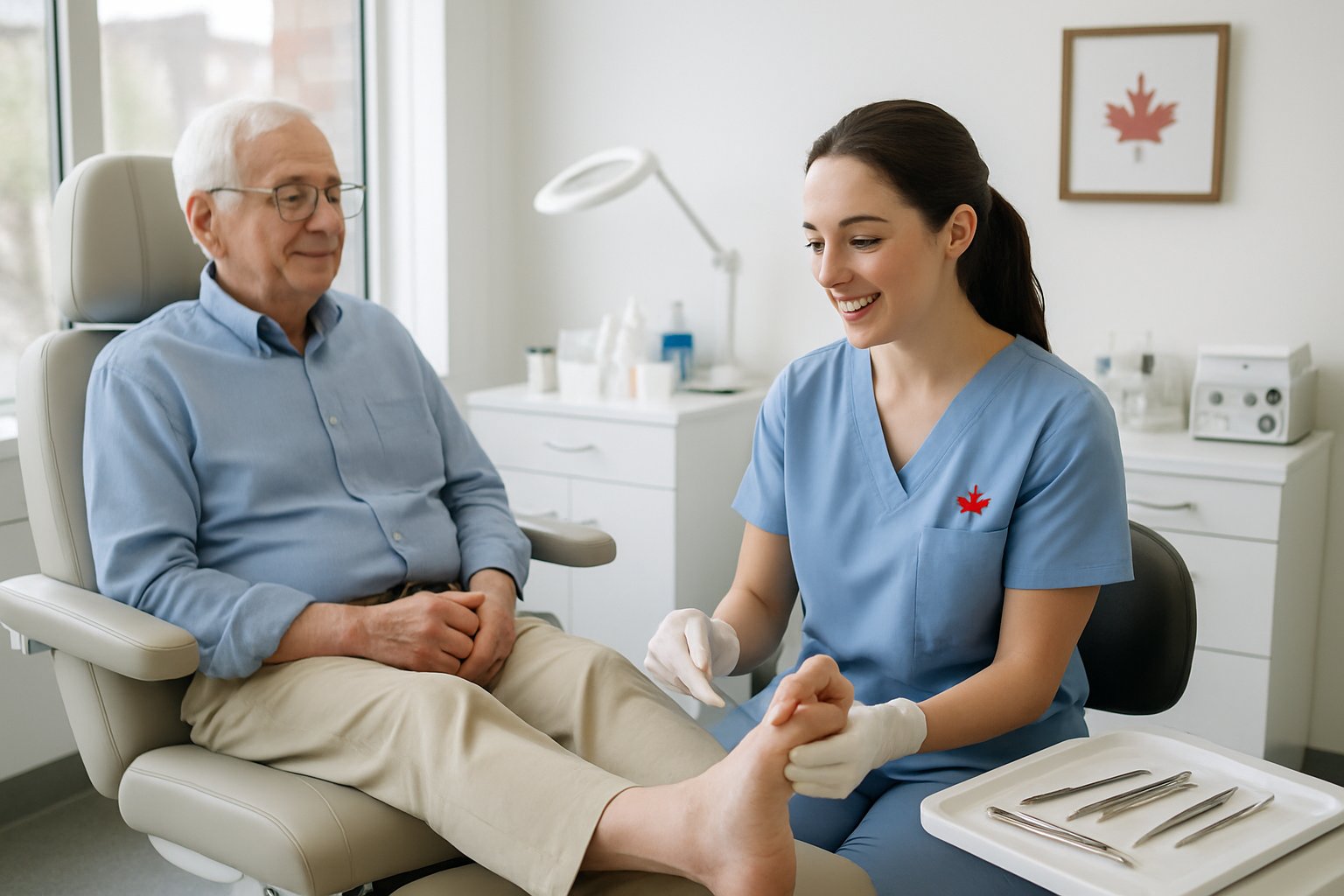
London Ontario has several established foot care clinics offering professional nursing services. Some clinics have traditional offices, while others bring mobile services right to your home.
Overview of Top Foot Care Clinics
Complete Foot Care Clinic stands out in London Ontario. They offer non-invasive foot care services like nail trimming, callus and corn removal, and wound care monitoring.
Their registered nurses specialize in diabetic foot care and neuropathy management. The clinic keeps high cleanliness standards and tailors treatment plans for each client.
Forest City Foot Care works out of the Synergy Centre in northwest London. This multidisciplinary medical centre employs Registered Practical Nurses with advanced foot care training.
Their team manages common foot conditions with professional, non-invasive treatments. The clinic leans on evidence-based care.
London Family Foot Clinic offers chiropodist services alongside nursing foot care. They treat nail disorders and a range of foot issues.
The clinic also provides custom orthotics and specialized shoes. Their team creates personalized treatment plans for each client.
Educational Opportunities and Professional Development

London has specialized training programs for nurses wanting advanced foot care skills. These programs offer hands-on clinical experience and in-depth coursework.
Foot Care Training for Nurses
There are several solid training programs in London that prepare nurses for specialized foot care. The PodOrtho® Foot Specialist program gives accredited education through the Ontario Foot Care Association.
This program covers nail cutting, callus removal, and diabetic foot assessments. I learned infection control protocols and sterilization techniques during my coursework.
The curriculum mixes online learning with hands-on clinical practice. Clinical training takes place over three days with private instruction.
Local programs accept RNs, RPNs, NPs, and LPNs from across Ontario. You can apply for educational funding through nursing associations to cover costs.
Most courses cost about $3,495 plus tax and fees. The certification lets me offer professional nursing foot care services.
Advancing Nursing Foot Care Skills in London
I can build on my foot care knowledge with advanced continuing education programs here in London. The Feet for Life curriculum covers complex foot issues.
These courses teach me to handle tough cases like severe diabetic complications and chronic infections. I practice detailed assessment and documentation during training.
The programs stress a holistic approach to foot health. I also learn patient education strategies and follow-up care.
Local instructors offer mentorship and support after certification. That kind of ongoing help really boosts my confidence as I start practicing.
With advanced training, I can work in clinics, long-term care, or even start my own foot care business. These skills are especially valuable for serving aging clients.
Cost, Insurance, and Accessibility of Foot Care Services
Nursing foot care in London usually costs $60-75 per visit. Most services aren’t covered by OHIP, but private insurance might reimburse you.
You can get care at a clinic or arrange in-home appointments, depending on your mobility needs.
Service Pricing and Coverage Options
Foot care nurse costs vary by location and service. Most providers charge $60-70 per visit, with some clinics having different rates for home visits.
OHIP doesn’t cover these services. But many extended health insurance plans do.
I’d suggest checking with your insurance to see what’s covered. Most extended health plans cover foot care, which helps with the cost.
Veterans may have extra options. Some providers bill Veterans Affairs Canada directly, so eligible clients don’t pay upfront.
Return visits are usually recommended every 6-8 weeks. This helps keep your feet healthy and avoids bigger problems down the line.
Ask for receipts if your insurance doesn’t cover everything. You might be able to claim foot care as a medical expense on your taxes.
Accessibility and Community Support
Foot care services are open to everyone—no referral needed. That makes it easier for people to get the care they need.
Both clinic and in-home options are available. In-home visits really help seniors or anyone who struggles to get out.
Services target seniors, diabetics, and people with specific foot care needs. This includes those with thick toenails, poor circulation, or trouble reaching their feet.
Frequently Asked Questions
People often wonder about nursing foot care services, qualifications, insurance, and how often they need treatment. Knowing what to expect helps you make smart choices for your foot health.
What qualifications should I look for in a professional providing nursing foot care services?
Look for registered practical nurses or registered nurses who are in good standing with the College of Nurses of Ontario. They should have specialized foot care training beyond basic nursing.
Professional foot care nurses complete post-grad education in advanced foot and lower limb care. They’re equipped to handle non-invasive treatments for common foot problems.
Make sure your provider uses proper sterilization. Hospital-grade autoclaving equipment should be used for instruments, and single-use items for anything that can’t be sterilized.
Are there specific foot care treatments recommended for diabetic patients in London Ontario?
Diabetic patients need specialized foot care that includes thorough assessments and regular monitoring. I check circulation, test sensation, and look for problem areas at every visit.
Diabetic foot care services include wound care monitoring, special nail trimming, and callus removal. These treatments help prevent serious complications.
I recommend regular foot inspections and professional nail care for diabetics. Daily self-checks are also important for catching issues early.
What are the most effective techniques used in nursing foot care for preventing infections?
I clean feet with waterless cleansers before any treatment. This gets rid of bacteria and debris that could cause infection.
Sterilizing instruments between clients stops cross-contamination. I check for cuts, sores, or anything that could become infected.
Using single-use items and sterile techniques keeps infection risks low. I also teach clients about daily foot hygiene and care.
How often should one receive professional nursing foot care to maintain optimal foot health?
I usually recommend a visit every 6-8 weeks for most people. This keeps nails manageable and prevents them from getting too long.
Diabetic patients might need more frequent visits, depending on their health. Some folks with circulation issues need monthly appointments.
New patient appointments run 40-60 minutes for a full assessment and treatment. Follow-ups are shorter since I already know your needs.
Can nursing foot care services be covered by health insurance plans in Ontario?
OHIP doesn’t cover nursing foot care. Check with your private health insurance to see if nurse-provided foot care is part of your plan.
Many extended health plans do cover these services. Always confirm your coverage before booking.
I provide receipts you can submit to insurance or use for taxes. Foot care costs are usually $60-70 per visit.
What are the signs that indicate the need for a nursing foot care appointment?
If you can’t quite reach your feet or you have diabetes, it’s probably time to book an appointment. Thick, curved, or ingrown nails usually need a professional touch too.
Painful corns, calluses, or cracked heels? Those are signs you shouldn’t ignore. Left alone, they can get worse and cause bigger headaches down the line.
Noticing changes in how your feet feel, struggling with circulation, or seeing sores that just won’t heal? Go ahead and see a foot care nurse. It’s better to catch problems early than wait for them to snowball.