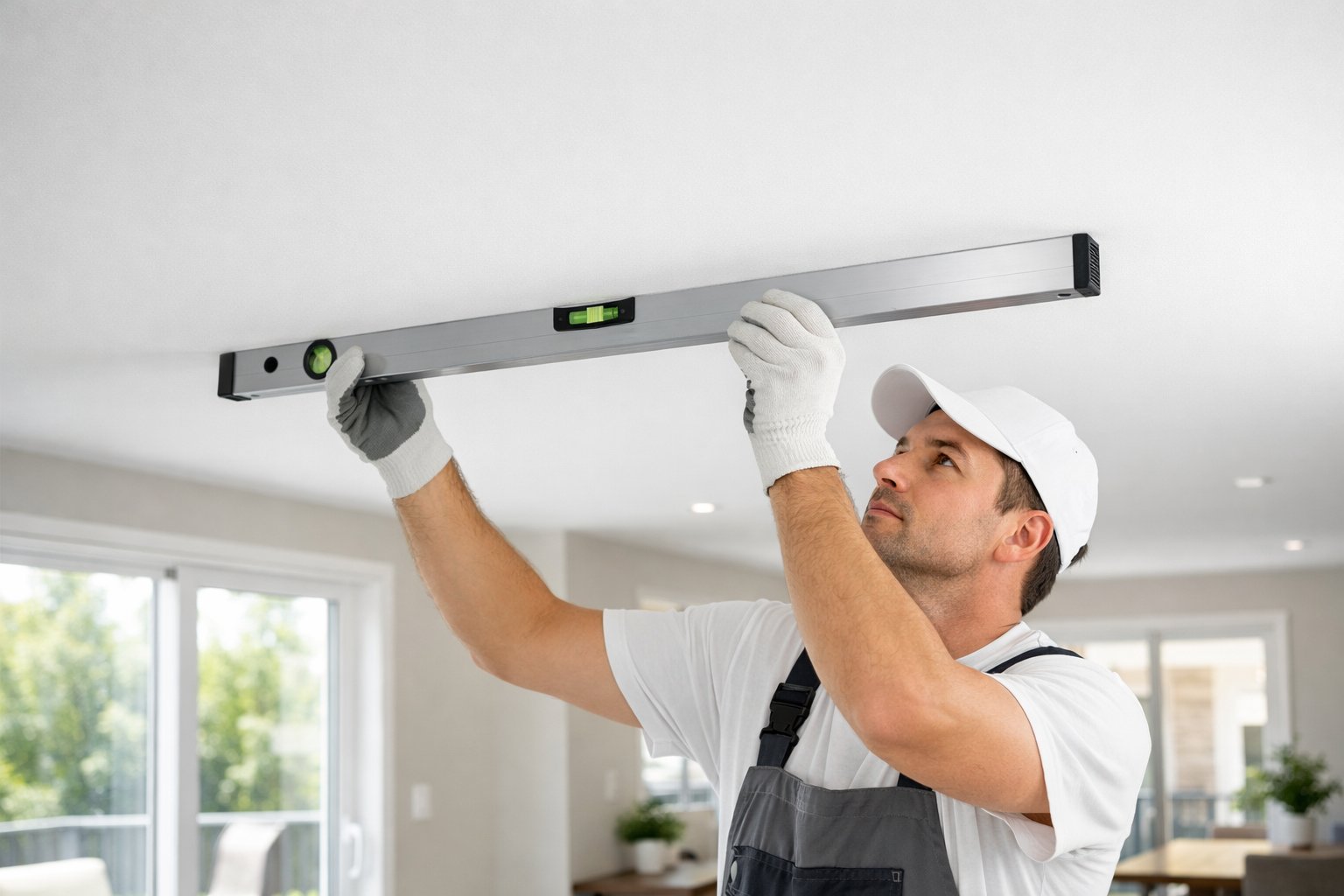
Smooth Ceiling Isn’t Just the Outcome, It’s the Company Name
When homeowners search for ceiling improvement services, they might stumble upon a company whose name perfectly matches what they deliver:
Smooth Ceiling Ltd. operates as a specialized contractor that removes outdated popcorn and stucco ceiling finishes and replaces them with modern flat surfaces. The company name creates an interesting situation where customers looking for smooth ceiling results find a business dedicated entirely to that specific outcome.
The confusion between the service and the company happens often in home improvement searches. People want to transform their textured ceilings into sleek, contemporary surfaces that improve lighting and home value.
Smooth Ceiling Ltd. serves the Golden Horseshoe area with popcorn ceiling removal and installation services. The business has built its reputation around one clear focus rather than offering dozens of unrelated services.
Understanding the difference between smooth ceilings as a finish type and Smooth Ceiling as a company helps homeowners make informed decisions. Popcorn ceilings absorb sound better because of their rough texture, but smooth finishes create a modern look that most buyers prefer. The choice between ceiling textures affects room acoustics, cleaning requirements, and property values for years to come.
What Is a Smooth Ceiling?
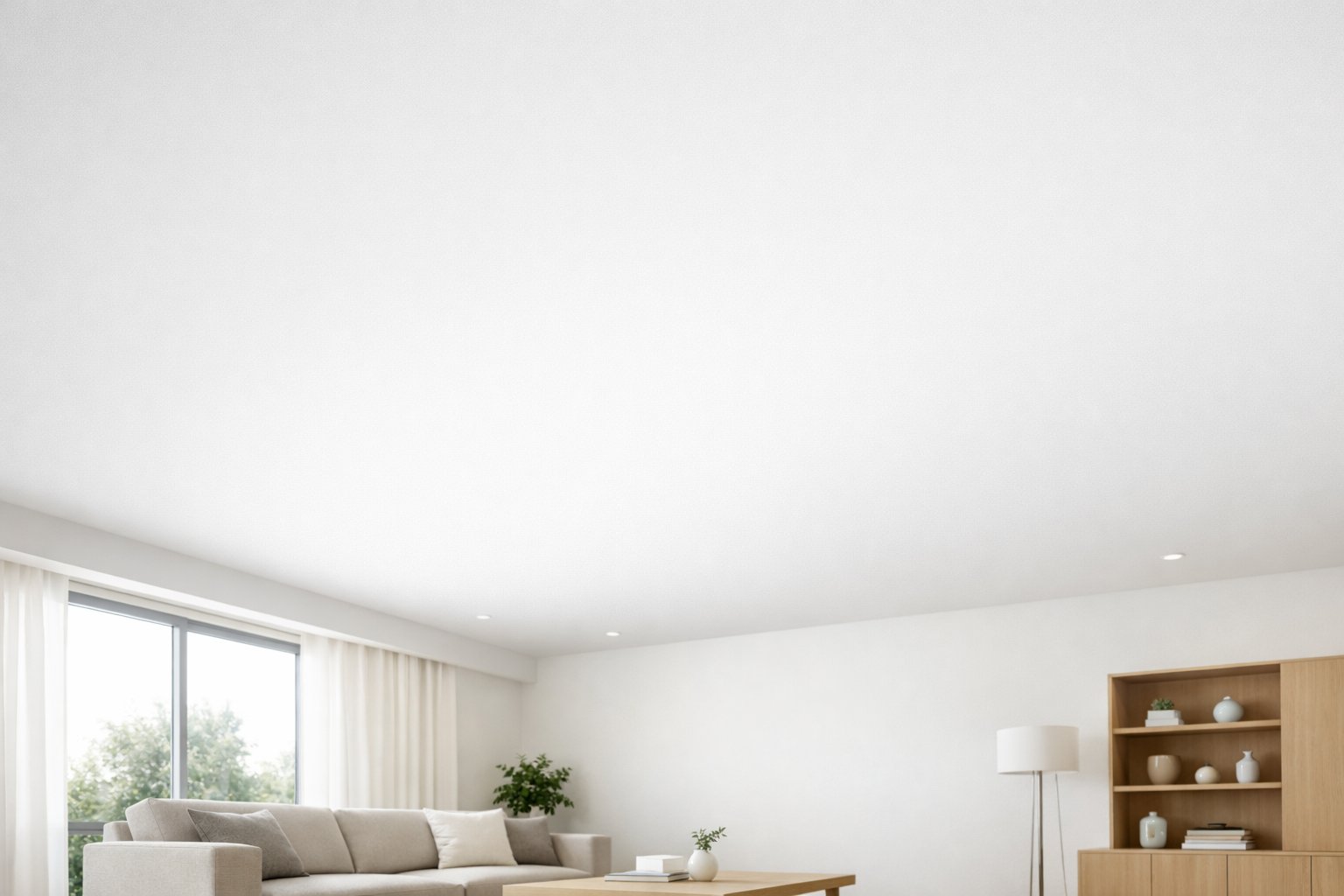
A smooth ceiling represents a completely flat drywall finish without any texture, bumps, or patterns on its surface. This ceiling style creates visual height in rooms while offering simple maintenance compared to textured alternatives.
Defining Smooth Ceilings in Modern Design
A smooth ceiling is a drywall finish that uses mud applied across the entire ceiling surface and then leveled with a trowel. The process creates a perfectly even surface without any raised areas or decorative patterns. This finish has become the most common ceiling type in residential and commercial spaces.
The installation method differs from textured approaches because it requires careful application and smoothing techniques. Workers spread joint compound evenly across the ceiling panels, then use specialized tools to eliminate any ridges or imperfections. After the compound dries, light sanding removes minor bumps before sealing and painting.
Smooth ceilings work well with clean lines and minimalistic design preferences that dominate current interior trends. The lack of texture allows light to reflect evenly across the surface, which contributes to a brighter appearance in any room.
Key Benefits of Smooth Ceilings
Smooth ceilings create an illusion of higher room height because the flat surface appears physically level without visual interruptions. This perception makes spaces feel more open and expansive than they actually measure.
The maintenance requirements remain minimal compared to textured options. Dust and dirt cannot collect in crevices or valleys since none exist on the surface. A simple wipe-down keeps the ceiling clean without extensive effort.
Repairs on smooth ceilings prove straightforward when damage occurs. Filling small holes or cracks requires basic drywall compound, light sanding, and matching paint. The flat surface allows patches to blend seamlessly with surrounding areas.
Design flexibility stands out as another advantage since smooth ceilings complement any decor style from traditional to contemporary. The neutral backdrop never competes with wall colors, furniture, or architectural features in a room.
Difference Between Smooth and Flat Ceilings
The terms smooth ceiling and flat ceiling refer to the same finish type in most contexts. Both describe a level drywall surface without texture or dimensional elements. Industry professionals and homeowners use these names interchangeably when discussing this ceiling style.
Some confusion arises because “flat” can also describe a paint sheen rather than the ceiling surface itself. Flat paint has no gloss or shine, while a flat ceiling describes the physical surface. A smooth ceiling can receive any paint finish from flat to semi-gloss depending on preferences.
The drywall finish itself remains identical regardless of which term someone uses. The ceiling features no knockdown texture, no popcorn treatment, and no orange peel effects. Just a completely level surface from one wall to another creates the finished appearance.
Smooth Ceiling Isn’t Just the Outcome, It’s the Company Name
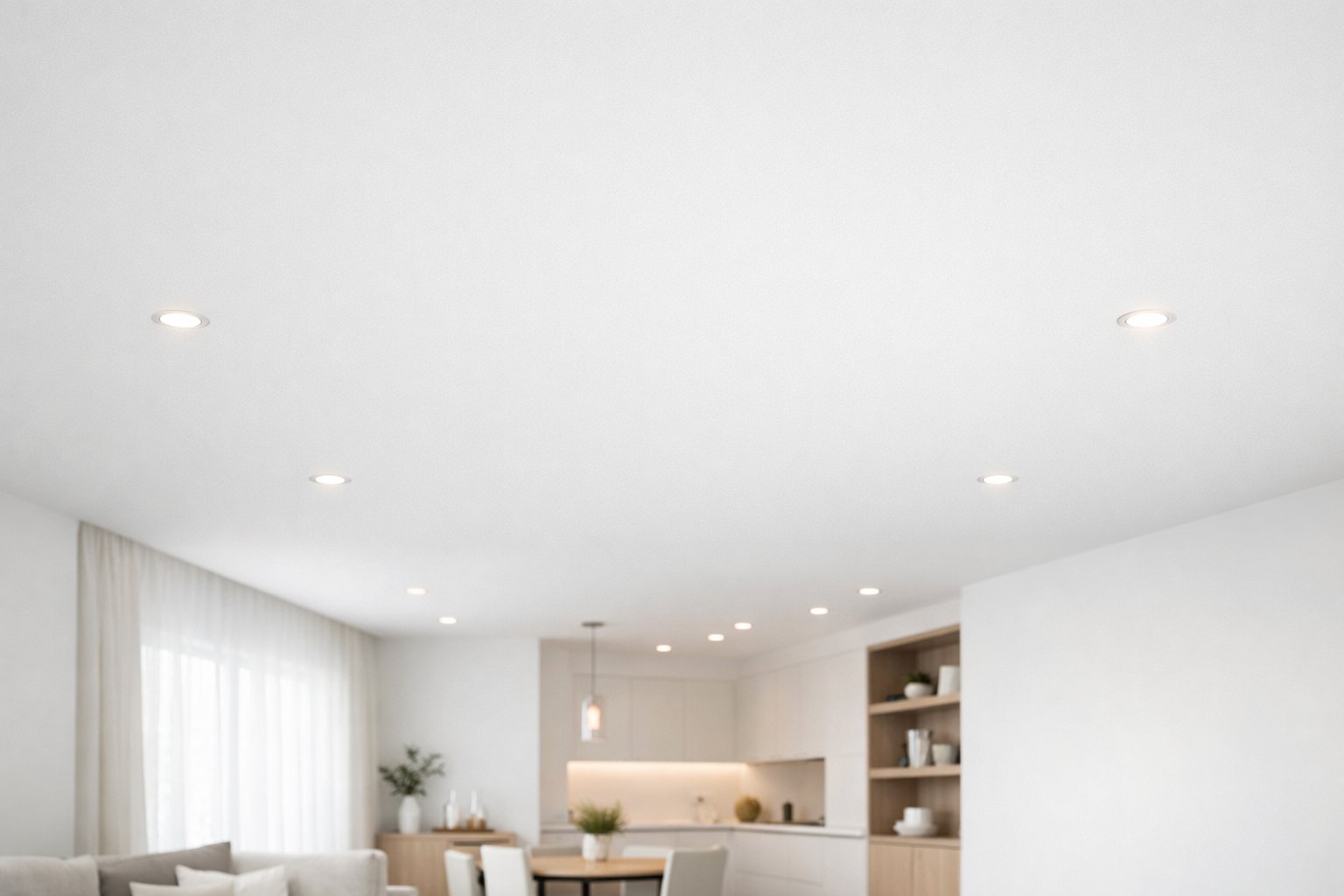
Smooth Ceiling Ltd operates as a specialized contractor that removes popcorn and stucco ceiling finishes. The company name reflects both its service focus and the end result clients receive.
Brand Origins and Expertise
Smooth Ceiling Ltd describes itself as “the original Smooth Ceiling” in the industry. The company specializes in removing outdated popcorn and stucco ceiling textures that were popular in older homes. These textured finishes often make rooms appear darker and can trap dust and insects.
The business operates from Richmond Hill, Ontario, and serves multiple areas. Their team focuses exclusively on ceiling work rather than general contracting. This specialization allows them to develop specific techniques for stucco removal and smooth ceiling installation.
The company employs between 2-10 people according to available records. They position themselves as experts in transforming textured ceilings into modern, flat surfaces. The name choice directly communicates what clients can expect from their services.
Commitment to Quality and Customer Experience
The company emphasizes fast and clean service delivery. Smooth Ceiling provides stucco removal services with attention to minimizing mess during the renovation process. They aim to help families increase their home value and improve lighting quality by eliminating textured ceiling finishes.
The business model centers on solving specific problems associated with popcorn ceilings. These include poor light reflection, outdated appearance, and difficulty with maintenance. The company works on both residential properties and commercial spaces.
Their approach focuses on delivering fresh, smooth ceilings that modernize interior spaces. The straightforward company name reinforces their service promise and makes it easy for potential clients to understand exactly what they offer.
Smooth Ceilings vs Textured Ceilings
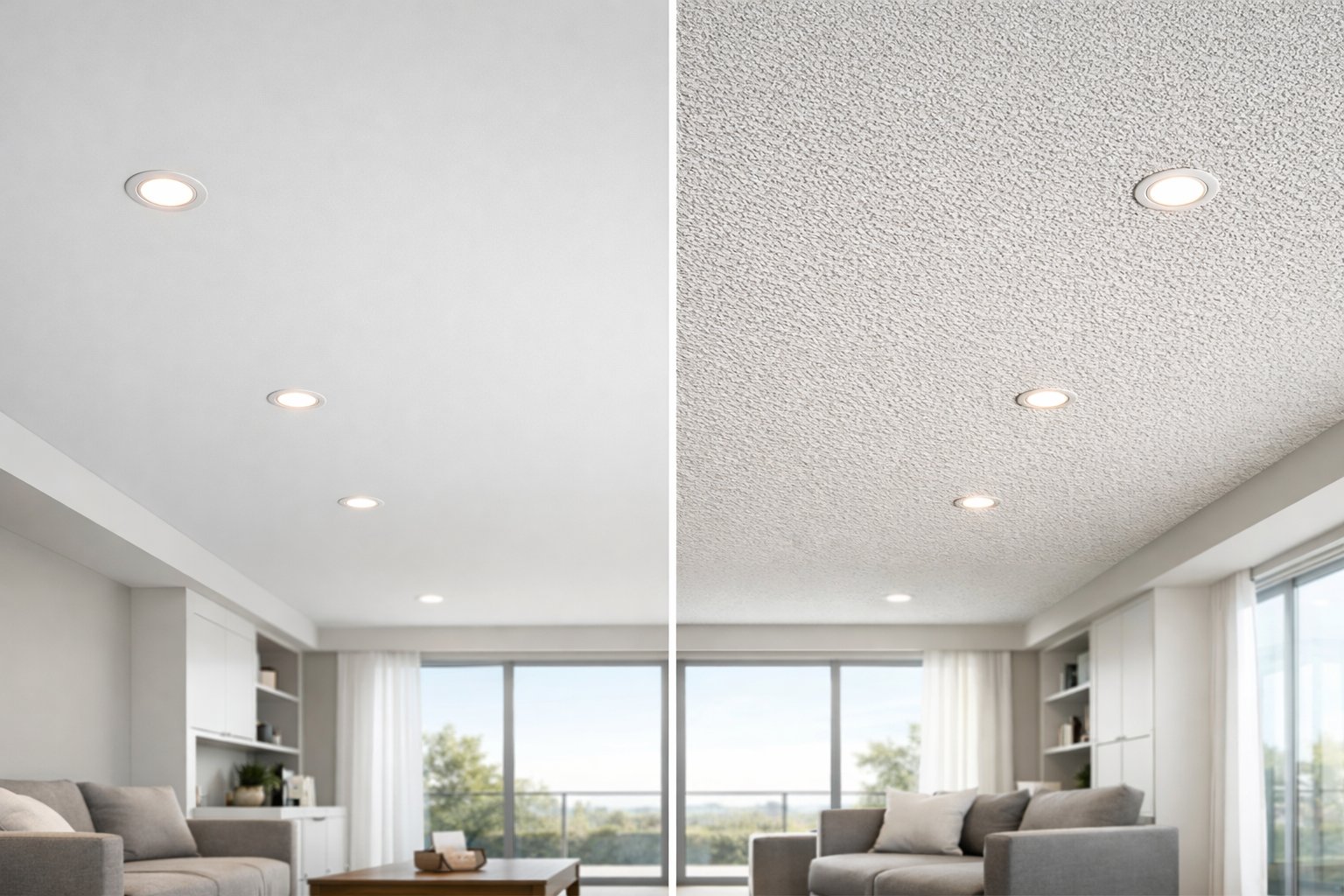
The choice between these two ceiling types affects both appearance and home value. Smooth ceilings create a modern look with clean lines, while textured options like popcorn or orange peel finishes offer practical advantages at lower initial costs.
Comparing Aesthetics and Style
Smooth ceilings deliver a contemporary appearance that makes rooms feel larger and more open. The flat surface creates the illusion of higher ceilings and adds a sense of spaciousness to any room. This finish works particularly well in modern homes where clean lines matter.
Textured ceilings have become less popular over time. Popcorn ceilings and other textured finishes often appear dated in current home design. The orange peel texture offers a less obvious alternative to popcorn styles, but many homeowners still prefer the sleek appearance of smooth surfaces.
Textured ceilings do hide imperfections more easily than smooth ones. The busy pattern masks scratches, waviness, and minor painting flaws. Smooth ceilings show every dent and ding with nowhere to hide defects.
Value Impact on Homes
Smooth ceilings typically cost more to install because they require extra work. Contractors must skim the entire ceiling with drywall mud and sand every square inch to achieve a perfect finish. This additional labor increases the overall project cost.
Textured ceilings cost less upfront since they mask imperfections and need less preparation work. However, they present challenges for maintenance and repairs. Matching existing ceiling textures during repairs proves difficult and often requires professional help.
Smooth ceilings offer easier long-term maintenance. Cleaning takes less effort since dust has fewer places to collect. Repairs simply involve patching and repainting without matching complex patterns.
Homes with smooth ceilings often appeal more to buyers seeking modern spaces. The updated look can justify higher asking prices compared to properties with outdated textured finishes.
Common Ceiling Textures and Their Features
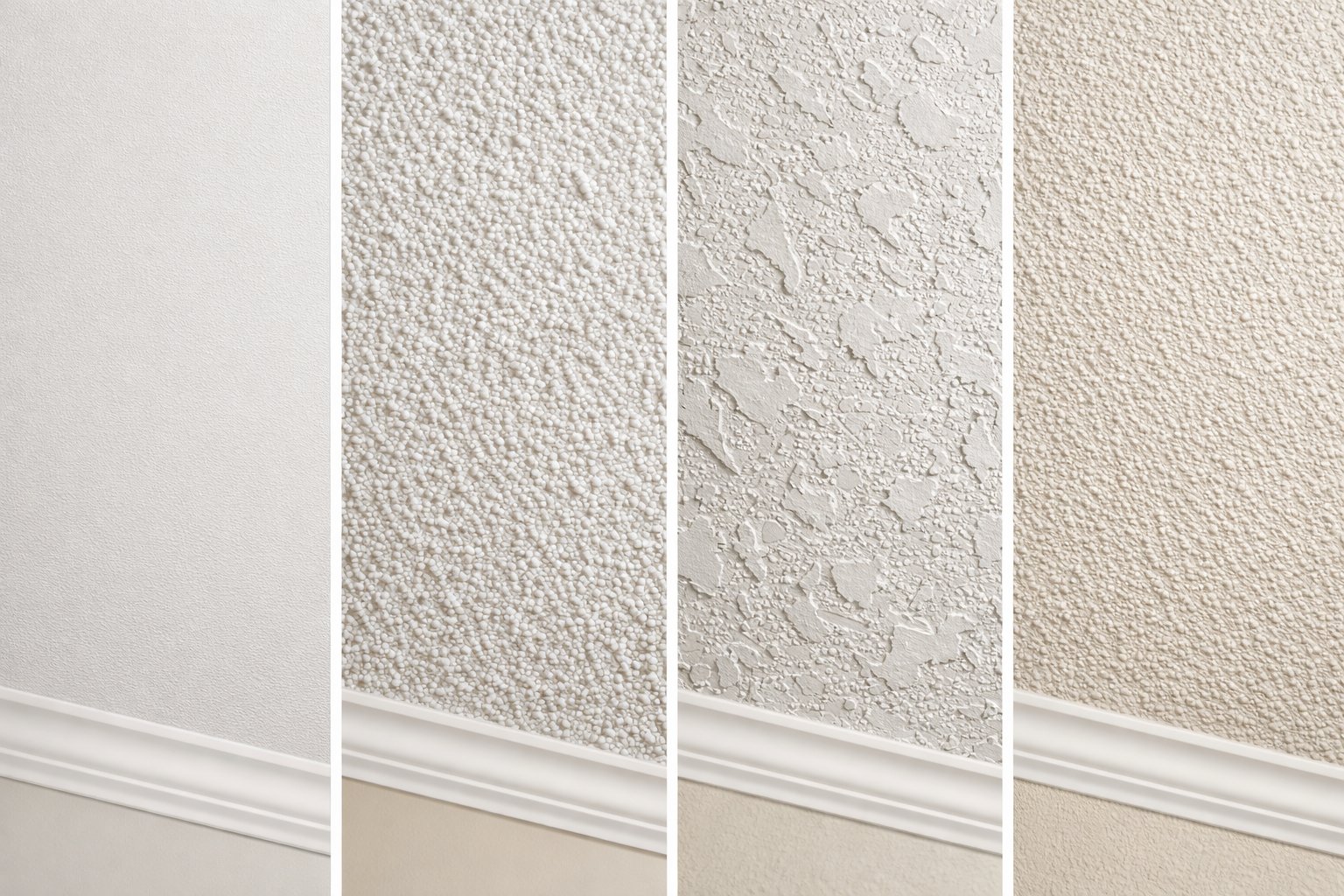
Ceiling textures range from heavily textured surfaces with dimensional patterns to subtle finishes that add visual interest. Each texture type requires specific application techniques and offers distinct advantages for hiding imperfections or adding character to interior spaces.
Popcorn Texture Explained
Popcorn texture remains one of the most recognizable ceiling finishes despite declining popularity in recent years. The application involves spraying a mixture of drywall compound and small styrofoam particles onto the ceiling surface. This creates a bumpy, cottage cheese-like appearance that effectively conceals construction flaws and joint lines.
The popcorn ceiling texture provides acoustic benefits by reducing sound reflection in a room. Installation requires a specialized spray gun and minimal finishing work after application. However, homes built before 1980 may contain asbestos in the texture material, making removal a job for certified professionals.
Maintenance presents challenges since the textured surface traps dust and cobwebs. Painting over popcorn texture demands careful technique to avoid damaging the delicate peaks. The rough surface makes patching water damage or other repairs more difficult than working with smooth ceilings.
Knockdown and Skip Trowel Textures
Knockdown texture starts with sprayed joint compound that gets partially flattened using a trowel or knife. The installer allows the sprayed material to set briefly before dragging a blade across the surface to knock down the peaks. This creates a Spanish lace or knockdown pattern with subtle dimensional variation.
Skip trowel texture uses hand application rather than spraying. The technician applies joint compound with a trowel in random patterns, skipping areas to create an irregular finish. Coverage typically ranges from 40 to 60 percent of the ceiling surface. Both techniques hide drywall imperfections while offering more visual interest than flat surfaces.
These textures work well in Mediterranean or rustic design schemes. The application process takes longer than spray-on textures but gives installers more control over the final appearance. Repair work remains simpler than with popcorn texture since matching the pattern requires basic trowel skills.
Orange Peel and Swirl Patterns
Orange peel texture mimics the dimpled surface of citrus fruit skin through spray application of thinned drywall compound. The finish appears subtler than popcorn texture while still providing surface variation. Installers adjust spray pressure and nozzle settings to control the size and density of the texture bumps.
Swirl texture involves applying joint compound and creating circular or arcing patterns with a brush or sponge. The swirl ceiling pattern gained popularity in mid-century homes and offers a distinctive retro appearance. Application methods include:
- Brush techniques for fine swirls
- Sponge application for broader patterns
- Combining materials for varied depth
- Multiple passes for layered effects
Both textures fall between completely smooth and heavily textured options. Orange peel works in contemporary settings while swirl patterns suit vintage or eclectic styles. The textures require less material than popcorn finishes and clean more easily due to their lower profile surfaces.
Smooth Ceiling Installation and Craftsmanship
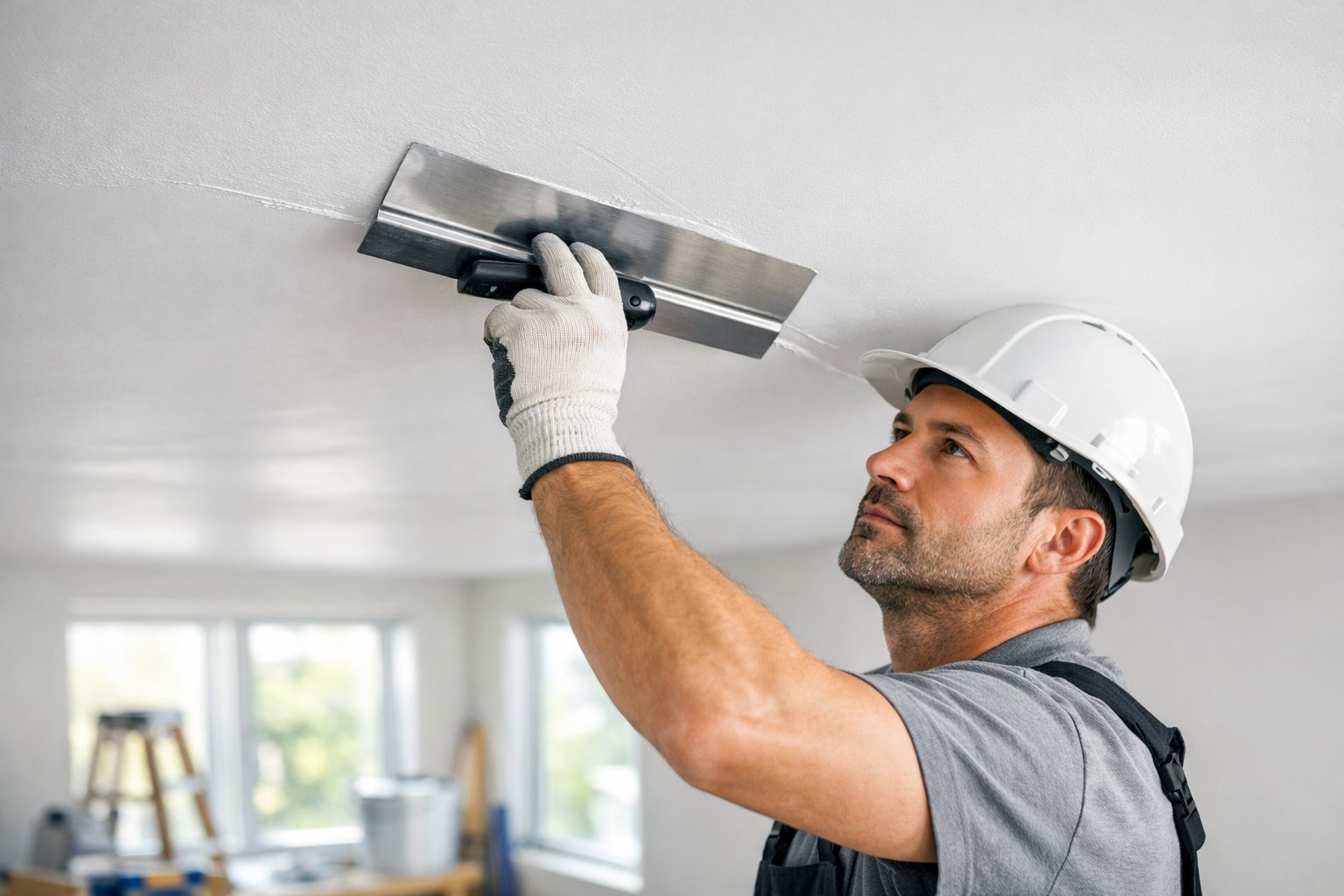
Professional ceiling installation requires specific materials and careful technique to achieve a flawless finish. The process involves multiple steps that must be executed properly to avoid common problems like uneven surfaces or visible seams.
Materials and Tools Used
The foundation of any smooth ceiling project starts with the right supplies. Drywall panels form the base layer, typically available in 4×8 or 4×12 foot sheets with thickness ranging from 1/4 inch to 5/8 inch depending on the application.
Joint compound, also called drywall mud, serves as the primary finishing material. Three types exist: all-purpose compound works for most applications, topping compound creates the final smooth layer, and setting-type compound dries through chemical reaction rather than evaporation. Each type serves a specific purpose in the installation process for flat ceilings.
Essential tools include a trowel for spreading compound, typically 6 to 12 inches wide. A hopper gun applies texture when needed, though smooth ceiling work relies more on hand tools. Sanding equipment removes imperfections between coats. Taping knives in various widths (4-inch, 6-inch, and 10-inch) help feather edges and create seamless transitions.
Step-by-Step Installation Process
Installation begins with hanging drywall sheets perpendicular to ceiling joists, spacing screws 12 inches apart along each joist. Workers must avoid overdriving screws, which can break the paper face and compromise holding strength.
The first coat applies drywall mud over all seams and screw heads using a 6-inch knife. Paper tape embeds into wet compound along seams to prevent cracking. This coat dries for 24 hours before sanding.
A second coat widens the repair area using an 8 or 10-inch knife, feathering edges 8 to 10 inches from the center seam. After drying and light sanding, a third coat extends even wider, creating imperceptible transitions. The taping and mudding process requires patience as each layer must fully cure.
Final sanding uses fine-grit paper (150 to 220 grit) to eliminate any remaining ridges or bumps. Proper lighting helps identify imperfections that need attention.
Common Challenges and Solutions
Visible seams occur when joint compound isn’t feathered wide enough or when sanding removes too much material from edges. The solution involves applying thin additional coats that extend 12 to 16 inches from problem areas.
Cracking happens when compound dries too quickly or when structural movement affects the ceiling. Using appropriate compound types for conditions and allowing proper cure times between coats prevents this issue. Setting-type compounds work better in humid environments where standard mud won’t dry properly.
Sagging develops when too much wet compound gets applied at once or when drywall sheets aren’t properly supported. Applying thinner coats and ensuring adequate fasteners solves this problem. Professional ceiling smoothing projects typically take 2-5 days to account for proper drying between applications.
Uneven texture results from inconsistent trowel pressure or varying compound thickness. Maintaining steady hand pressure and checking work with raking light catches problems before the final coat.
Maintenance, Repairs, and Long-Term Value
Smooth ceilings require less frequent cleaning than their textured counterparts and are significantly easier to repair when damage occurs. Understanding the practical differences in upkeep helps homeowners make informed decisions about ceiling finishes.
Cleaning and Upkeep Tips
Smooth ceilings need minimal maintenance compared to textured surfaces. A microfiber duster on an extension pole removes dust and cobwebs in minutes. For deeper cleaning, a slightly damp cloth works well on painted smooth surfaces without damaging the finish.
Textured ceilings trap dust, cobwebs, and cooking residue in their crevices. The uneven surface makes cleaning difficult and time-consuming. Many homeowners find that vacuuming with a brush attachment helps, but the texture still holds onto particles that smooth surfaces release easily.
Stains on smooth ceilings can be spot-painted with a small roller. The even surface allows new paint to blend seamlessly with existing finishes. Textured ceilings absorb paint unevenly, making touch-ups visible and requiring full ceiling repainting in most cases.
Professional ceiling systems offer the lowest long-term costs. Research shows that premium ceiling materials cost 60% less over 20 years when factoring in replacements and maintenance.
Repairing Smooth Versus Textured Ceilings
Repairing smooth drywall finish involves patching holes, sanding, and painting. The process is straightforward because the flat surface provides a clean working area. Small cracks and nail pops take under an hour to fix properly.
Popcorn ceilings present unique challenges during repairs. Matching the texture pattern requires specialized tools and techniques. Even experienced contractors struggle to blend new texture with old material perfectly. Water damage on textured surfaces often requires complete removal and refinishing rather than simple patching.
Smooth ceilings are easier to clean but require more skill during initial installation. The trade-off pays dividends over time through reduced maintenance needs and simpler repairs. Homes built before 1980 may contain asbestos in popcorn ceilings, adding complexity and cost to any repair work. Professional testing becomes necessary before attempting fixes on older textured surfaces.